Publications
Publications
Multiple words = AND search · use quotes for exact phrases: "Youngku Sohn" · whole-phrase matches rank first · DOI works too
2026
- 253
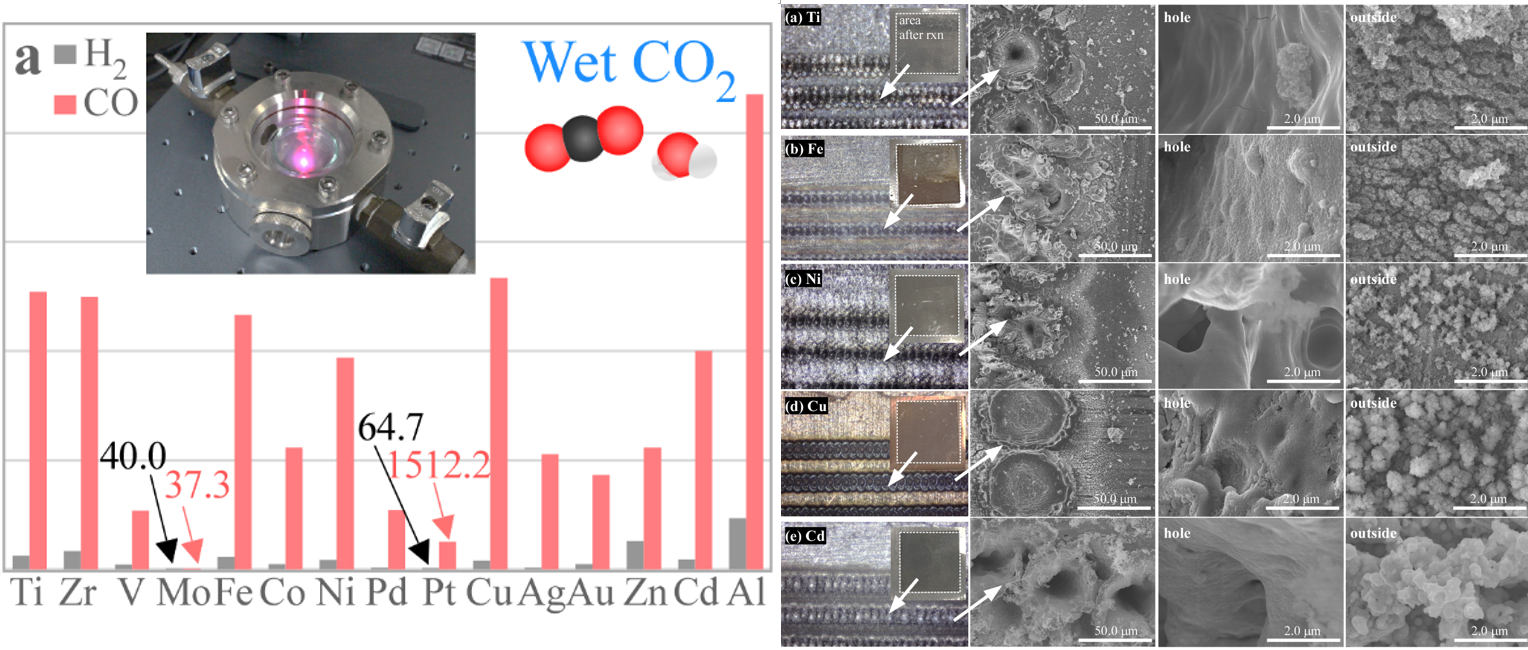
Photothermal CO2 and H2O Reduction via Pulsed Near‐IR Activation of Transition Metals
Hyojin Nam; Sy Khiem Nguyen; Seon Young Hwang; Hyeonji Lee; Gaeun Yun; Yunji Gwon; Sooyeon Bae; Huieun Shim; Dinh Lam Vu; Ilsun Yoon; Youngku Sohn
Adv Funct Materials 2026, e78294. DOI ↗ 📊 인용 ↗
📄 Abstract ▾
Pulsed near‐infrared (NIR) irradiation offers a powerful nonequilibrium route for activating catalytic transformations on metal surfaces through ultrafast photothermal heating. Here, we demonstrate that 1064 nm nanosecond pulses drive bias‐free H2 generation and CO2 conversion on bare transition‐metal foils without engineered plasmonic nanostructures or semiconductor absorbers. In water, interfacial photothermal heating promotes efficient H2 evolution, whereas in wet CO2 atmospheres the same pulses produce CO together with Fischer−Tropsch‐like C2 −C7 hydrocarbons via thermally generated *H and *CO intermediates. Simulations show that each pulse generates confined, ultrafast thermal excursions that transiently exceed the activation thresholds for H2O dissociation and CO2 activation, thereby explaining the low apparent barriers for H2 evolution and the higher barriers associated with CO formation. Across both environments, laser power and repetition frequency lead to markedly reduced apparent activation energies relative to steady‐state thermochemical values, reflecting ultrafast localized heating, incomplete inter‐pulse cooling, and dynamic surface coverage rather than changes in intrinsic reaction barriers. Overall, this work establishes a scalable photothermal platform requiring no engineered plasmonic nanostructures for solar‐thermal H2 production and CO2 upgrading and provides design rules for engineering nonequilibrium photothermal interfaces capable of driving reactions inaccessible under steady‐state operation.
- 252
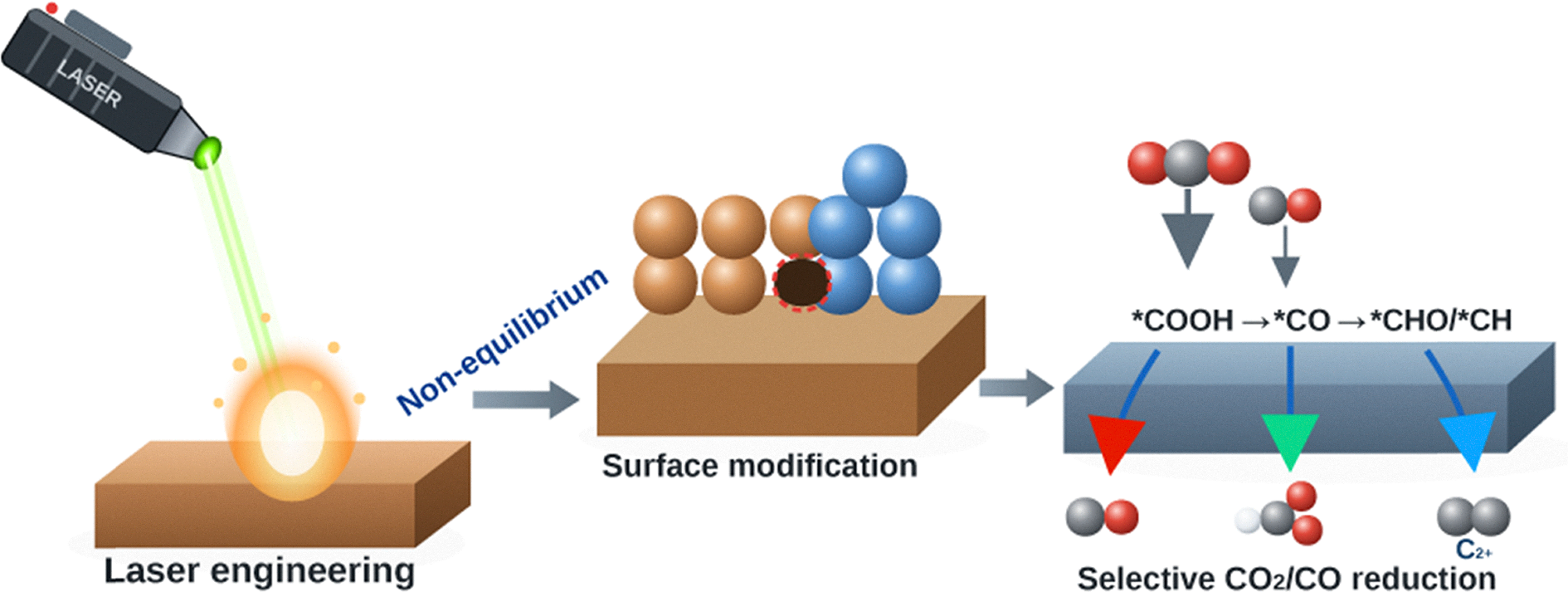
Laser-engineered electrocatalysts for CO2 and CO reduction: From surface modification to non-equilibrium catalyst design
So Young Kim; Sooyeon Bae; Yunji Gwon; Lei Wang; Youngku Sohn
Mater. Horiz. 2026. DOI ↗ 📊 인용 ↗
📄 Abstract ▾
Laser processing has emerged as a powerful platform for engineering electrocatalyst surfaces and interfaces with exceptional spatial and temporal precision. Unlike conventional synthesis routes that largely access equilibrium structures, laser irradiation can generate non-equilibrium phases, defect-rich microstructures, and dynamically engineered interfaces through localized energy delivery and ultrafast quenching. These unique capabilities offer new opportunities for tailoring catalytic activity and selectivity in electrochemical CO2 and CO reduction. This review summarizes recent advances in laser-engineered electrocatalysts, with emphasis on the fundamental principles of laser–matter interactions and fabrication strategies including pulsed laser deposition, direct laser writing, and pulsed laser ablation in liquids. We discuss how laser parameters govern surface restructuring, oxidation-state modulation, defect formation, and interfacial engineering, enabling the creation of structured electrodes, oxide–metal interfaces, and surfactant-free nanomaterials. Representative catalyst systems are highlighted to illustrate the impact of laser-induced modifications on catalytic performance and reaction pathways. Although the application of laser processing in CO2 and CO electrocatalysis remains relatively underexplored, its ability to simultaneously control morphology, composition, and electronic structure positions it as a promising platform for next-generation catalyst design. Finally, current challenges and future opportunities are discussed, including mechanistic understanding, operando characterization, parameter standardization, and scalable manufacturing. We anticipate that laser processing will evolve beyond a surface-modification tool toward a versatile platform for non-equilibrium electrocatalyst design and sustainable energy-conversion technologies.
- 251
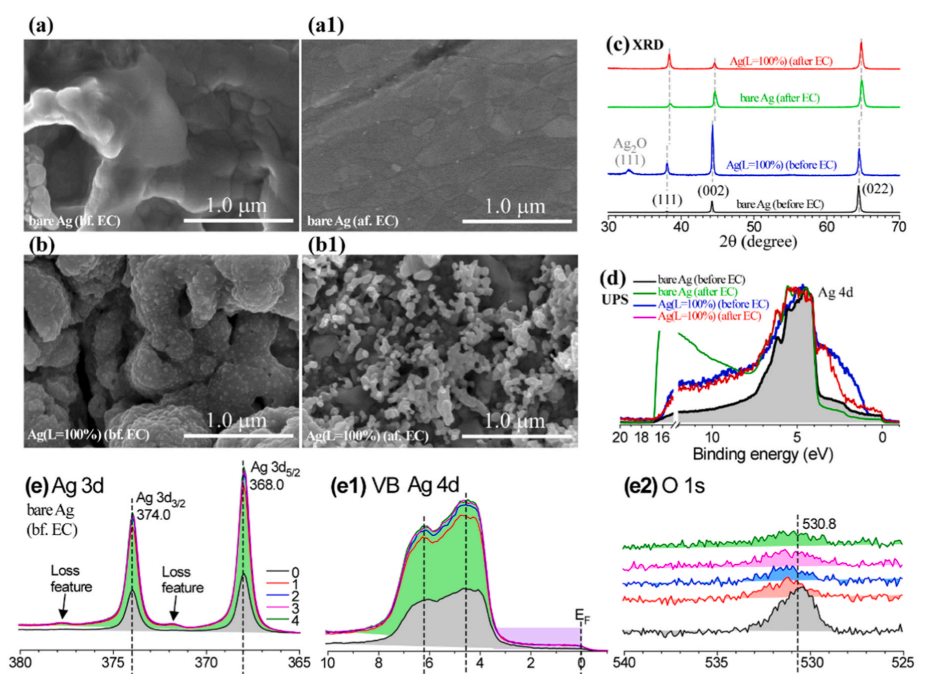
Laser-engineered Ag/Ag oxide interfaces for tunable CO2 reduction: Mechanistic insights from experiment and theory
So Young Kim; Chae-Hyeon Lee; Ilsun Yoon; Choong Kyun Rhee; Hee-Joon Chun; Youngku Sohn
Mater. Today Energy 2026, 59, 102298. DOI ↗ 📊 인용 ↗
📄 Abstract ▾
Interface engineering of silver (Ag) electrodes provides an effective strategy to tune activity and selectivity in electrochemical CO2 reduction (CO2RR). Here, Ag and Ag oxide (Ag/AgxO) electrodes were prepared via controlled infrared (1064 nm) laser treatment and evaluated in KHCO3 and phosphate electrolytes. Laser-induced surface restructuring modified oxidation states, crystallographic orientations, and interfacial electronic properties, leading to electrolyte- and potential-dependent shifts in product distribution. In KHCO3 electrolyte, CO remained the dominant product, whereas phosphate electrolyte significantly enhanced CO selectivity with increasing laser treatment. Oxidized Ag surfaces suppressed hydrogen, formate, and C2+ hydrocarbons. Product selectivity showed clear potential dependence: CO and C2+ hydrocarbons peaked at moderate potentials, while formate formation increased at more negative potentials. Long-chain C2+ hydrocarbons followed a Fischer-Tropsch-like growth trend. Electrochemical impedance spectroscopy revealed changes in charge-transfer kinetics and interfacial capacitance. Density functional theory calculations indicate that CO formation via COOH intermediates is favored on Ag(111) and Ag2O(111), whereas formate formation via HCOO* is more favorable on metallic Ag. These results clarify how Ag/Ag oxide interfaces regulate CO2RR pathways.
- 250
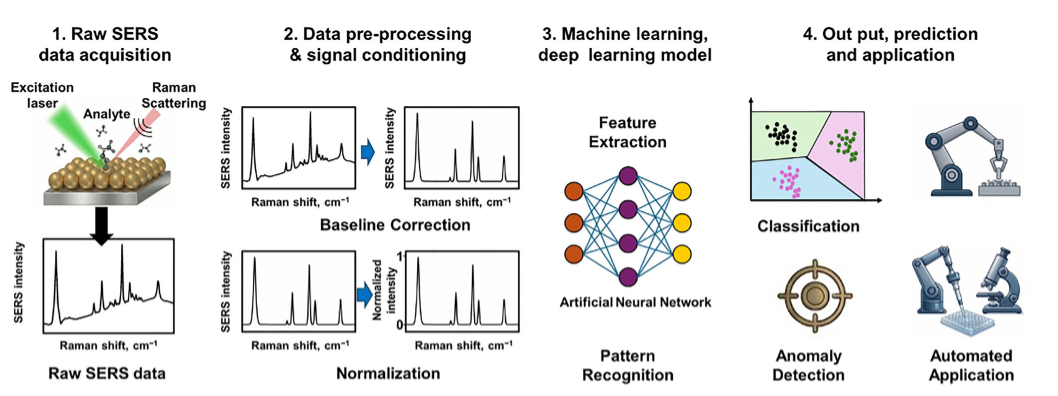
Integration and Implementation of Machine Learning & Artificial Intelligence in Surface‐Enhanced Raman Spectroscopy
Netrapal Singh; Ba Thong Trinh; Sy Khiem Nguyen; Khanh Viet Nguyen; Changwook Kim; Byeonggwan Kim; Youngku Sohn; Ilsun Yoon
Advanced Sensor Research 2026, 5 (7), e70183. DOI ↗ 📊 인용 ↗
📄 Abstract ▾
Surface-enhanced Raman spectroscopy (SERS) is an analytical technique widely used for molecular identification and trace detection, offering minimal sample preparation, high sensitivity, molecular fingerprinting, and quantitative capability. However, SERS measurements generate large, complex spectral datasets whose interpretation is time-consuming and requires specialized expertise. The integration of artificial intelligence (AI) and machine learning (ML) provides effective strategies for automated data processing, feature extraction, and pattern recognition, enabling a new generation of intelligent SERS sensing platforms. Unlike previous reviews, which have largely catalogued AI/ML-SERS applications by domain, this work provides a critical synthesis structured around four contributions: (i) a workflow-level taxonomy linking SERS data characteristics to algorithm selection; (ii) a quantitative meta-analysis of approximately 40 representative studies covering the distribution of reported accuracies, the relationship between dataset size and reported performance, and the temporal shift from classical chemometrics to deep learning; (iii) a dedicated assessment of validation pitfalls specific to AI/ML-SERS, including substrate batch effects, technical-replicate leakage, spectrum-level versus sample-level splitting, and the absence of external validation cohorts; and (iv) a practical reporting checklist for future AI/ML-SERS studies. By foregrounding methodological rigor rather than enumeration, the review aims to support both SERS practitioners adopting AI/ML and ML researchers entering spectroscopic sensing.
- 249
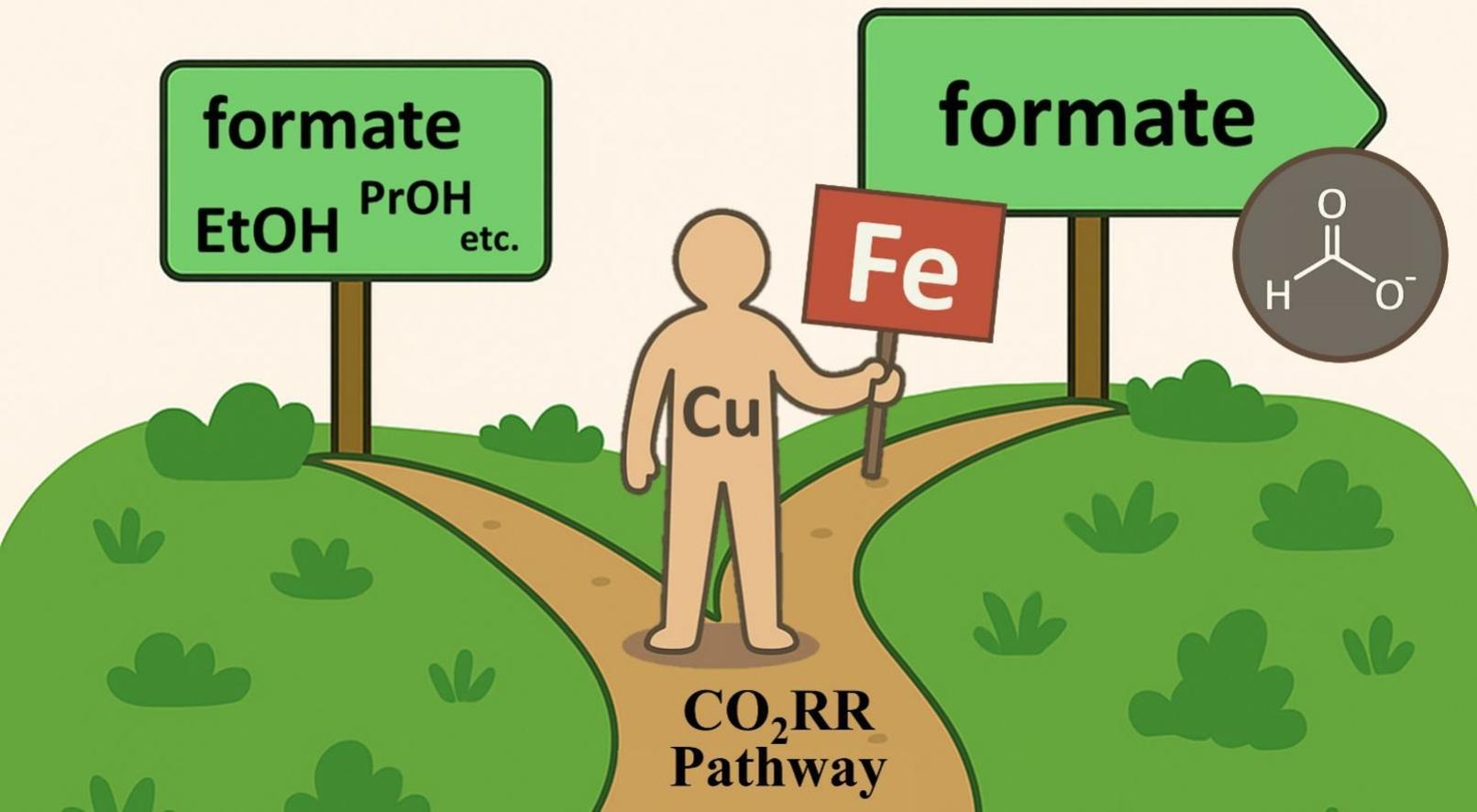
Switching CO2 reduction pathways: Iron drives copper toward formate selectivity
Hyeonji Lee; So Young Kim; Gaeun Yun; Yunji Gwon; Sooyeon Bae; Huieun Shim; Jaehee Shin; Choong Kyun Rhee; Youngku Sohn
Appl. Surf. Sci. 2026, 731, 166390. DOI ↗ 📊 인용 ↗
📄 Abstract ▾
Electrochemical CO2 reduction (CO2RR) on copper (Cu) typically produces a broad spectrum of products, making it difficult to selectively generate desired chemicals. Here, we show that incorporating trace amounts of iron (Fe) into Cu electrodes enables a phase-selective modulation of CO2RR pathways. In the liquid phase, Fe incorporation significantly enhances formate selectivity, while concurrently suppressing the formation of other liquid products such as ethanol and propanol. In the gas phase, Fe promotes C3+ hydrocarbon formation, increasing their Faradaic efficiency while diminishing the yields of C2 species like ethylene. Structural and spectroscopic characterizations reveal that Fe induces electronic and morphological reconfiguration of the Cu surface, including facet redistribution, oxide formation, and local coordination changes. This dual-phase selectivity control via Fe doping offers a new design principle for tuning product distributions in CO2RR and advancing catalytic strategies for sustainable carbon conversion.
- 248
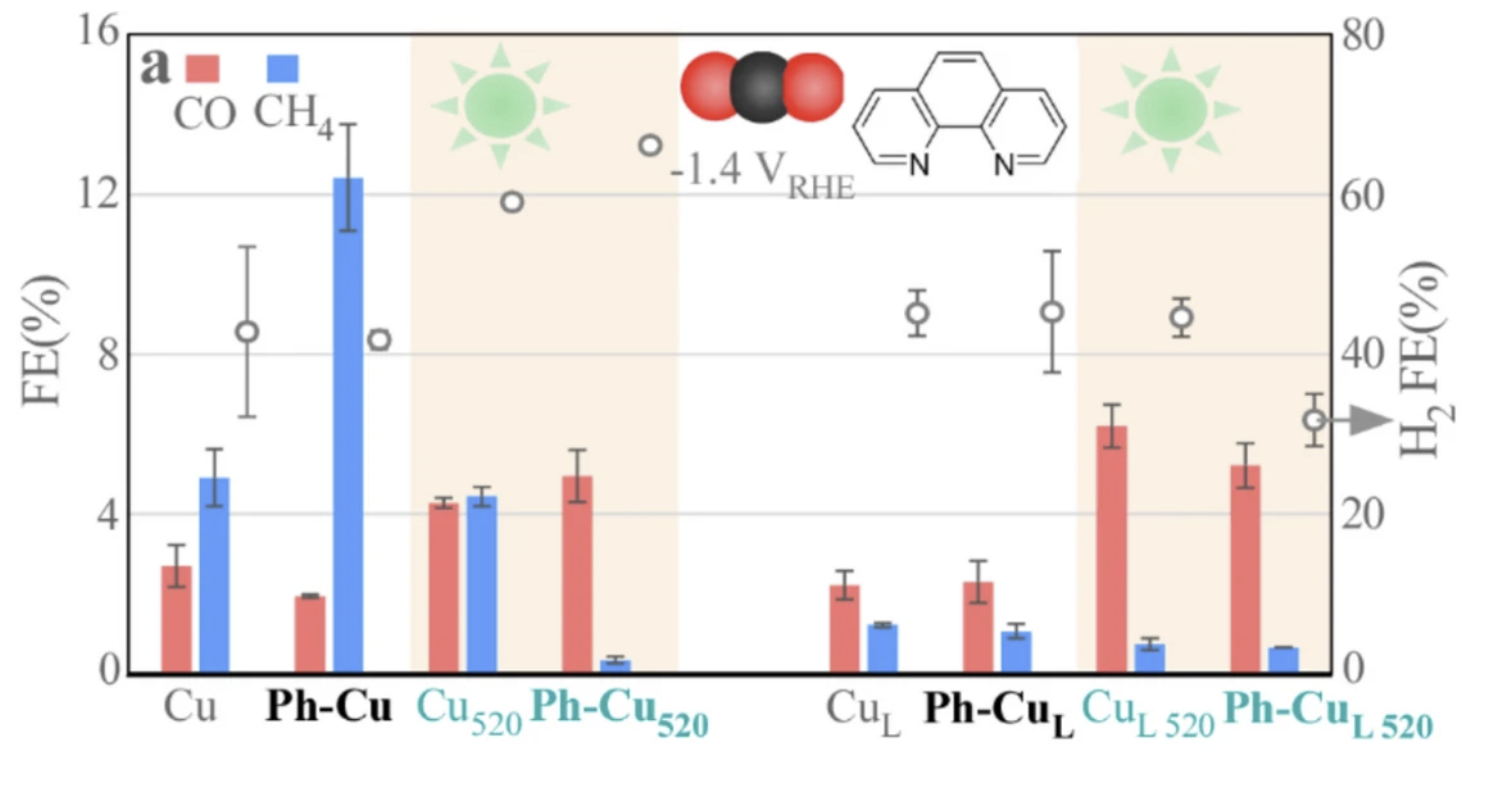
Synergistic ligand–photon interactions for enhanced CO2 electroreduction on Cu-based electrodes
Huieun Shim; Gaeun Yun; Yunji Gwon; Sooyeon Bae; Hyeonji Lee; Jaehee Shin; Hyojin Nam; Choong Kyun Rhee; Weixin Huang; Youngku Sohn
Surf. Sci. Technol. 2026, 4, 18. DOI ↗ 📊 인용 ↗
📄 Abstract ▾
We demonstrate that molecular coordination and photothermal excitation synergistically regulate CO2 electroreduction selectivity on Cu. Phenanthroline (Phen)–functionalized and laser-treated Cu electrodes were investigated under 0.1 M KHCO3 at various conditions. Phen–Cu exhibited a total hydrocarbon Faradaic efficiency (FE) of 19.2% and a chain-growth probability (α) of 0.333, surpassing bare Cu (9.17%, 0.224). Illumination at 520 nm triggered localized photothermal activation, quadrupling the C3+ hydrocarbon FE (0.076%). The optimum Phen concentration (0.25 μM) maximized multicarbon selectivity, while deviations in potential or ionic environment shifted selectivity toward C1 products. EIS analysis revealed the lowest charge-transfer resistance and highest capacitance for Phen–Cu520, indicating accelerated interfacial kinetics. XPS and valence-band spectra confirmed Cu0/Cu+ stabilization, persistent N−Cu coordination, and a VB onset shift associated with stronger electronic coupling. These results reveal that ligand-photothermal synergy creates a nonequilibrium, Cu0/Cu+-rich interface that promotes CO dimerization and chain growth, providing a new strategy for directing electrochemical Fischer–Tropsch-like chemistry.
- 247
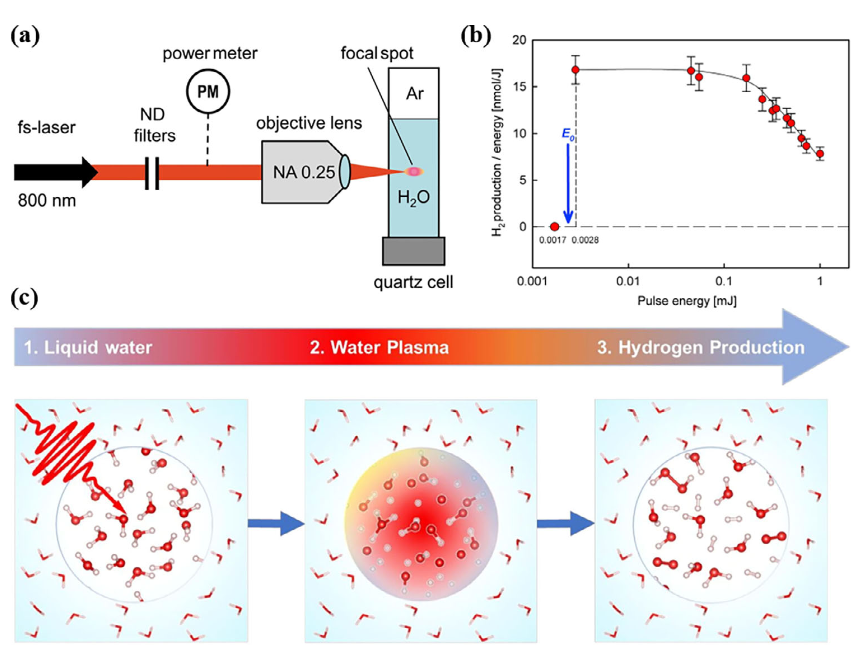
Nonequilibrium Photothermal Reactions Under Pulsed Laser Excitation: Mechanisms, Dynamics, and Applications
Huieun Shim; Sy Khiem Nguyen; Hyeonji Lee; Jaehee Shin; Ilsun Yoon; Youngku Sohn
ChemCatChem 2026, 18, e01870. DOI ↗ 📊 인용 ↗
📄 Abstract ▾
Pulsed laser excitation offers a compelling approach for accessing nonequilibrium conditions in catalysis by delivering energy to surfaces in a highly localized and time‐controlled manner. In contrast to continuous‐wave irradiation, pulsed lasers concentrate energy into extremely short bursts—ranging from femtoseconds to nanoseconds—which can induce steep thermal gradients, localized heating, and even partial decoupling between electronic and lattice subsystems. These effects often lead to surface restructuring, altered binding of intermediates, or activation of otherwise inaccessible pathways. Such transient photothermal environments have shown considerable promise in driving reactions like CO 2 reduction, hydrogen evolution, and ammonia synthesis, where heat and charge localization strongly influence product selectivity. This review examines the growing field of pulsed photothermal catalysis, highlighting the fundamental mechanisms of laser–matter interactions, the distinction between thermal and nonthermal regimes, and how key laser parameters affect surface reactivity. We also survey selected reaction systems and discuss how recent developments in time‐resolved spectroscopy and computational modeling are helping to unravel the underlying dynamics and inform the rational design of next‐generation catalytic platforms.
- 246
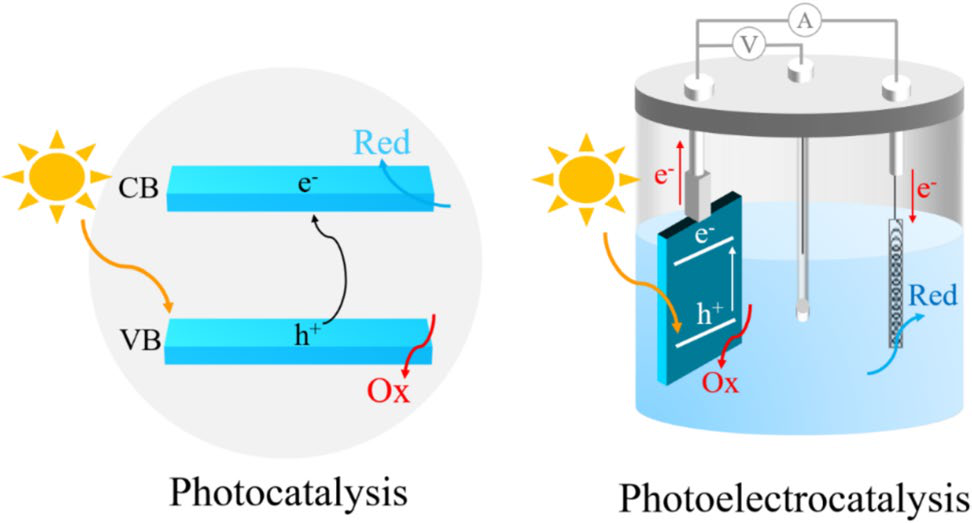
Progress in Advanced Photocatalysis and Photoelectrocatalysis
Youngku Sohn; Mohammad Mansoob Khan
J. Saudi Chem. Soc. 2026, 30, 5. DOI ↗ 📊 인용 ↗
📄 Abstract ▾
Recent progress in advanced photocatalysis and photoelectrocatalysis has significantly expanded the frontier of solar energy conversion and environmental remediation. Driven by the urgent need for sustainable energy and green chemical processes, extensive efforts have focused on designing efficient semiconductor-based systems that can utilize a broader solar spectrum while enhancing charge separation and surface reaction kinetics. Strategies such as heterojunction engineering, elemental doping, cocatalyst loading, and defect modulation have emerged as effective means to tune band structures and suppress recombination losses. In parallel, the integration of photoactive materials into electrochemical architectures has given rise to photoelectrocatalysis, which couples photonic and electrical driving forces to achieve superior reaction rates and selectivity. Advanced characterization tools and computational modeling further enable mechanistic insights into charge transfer dynamics and active site functionality. Despite these advances, challenges persist regarding stability, scalability, and cost-effective synthesis. Continued innovations in material design, interfacial engineering, and system integration are anticipated to accelerate the transition of photocatalytic and photoelectrocatalytic technologies from laboratory research to practical applications in energy conversion, hydrogen production, and environmental remediation.
2025
- 245
Laser-engineered interfacial modulation of In, Sn, and InSn electrodes for enhanced electrochemical CO2 reduction
So Young Kim; Gaeun Yun; Yunji Gwon; Sooyeon Bae; Seon Young Hwang; Choong Kyun Rhee; Youngku Sohn
Appl. Surf. Sci. 2025, 713, 164324. DOI ↗ 📊 인용 ↗
📄 Abstract ▾
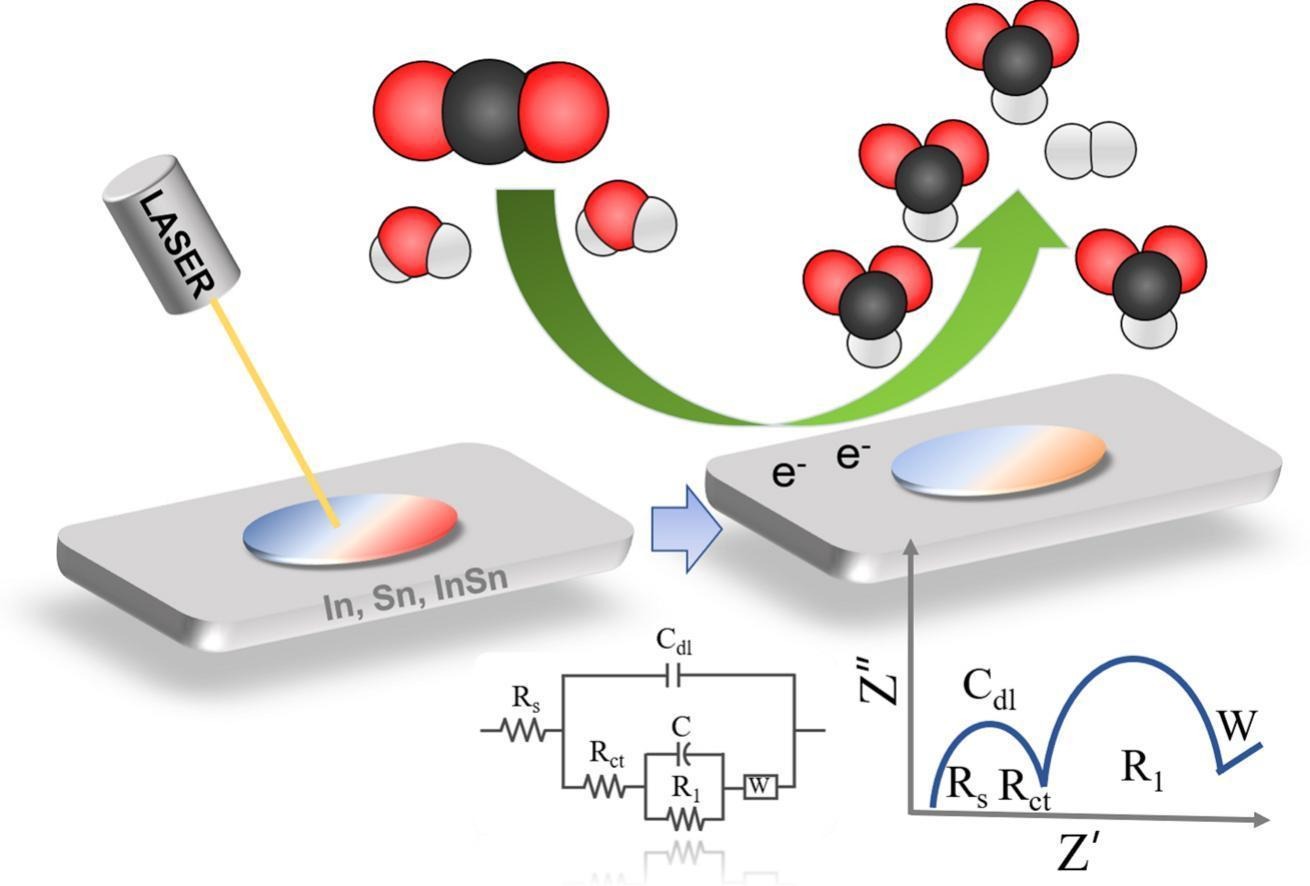
Electrochemical CO2 reduction (EC CO2RR) on p-block metals such as indium (In), tin (Sn), and their alloy (InSn) is a promising route for formate production. Here, we investigate how laser-induced interfacial tuning of oxidation states and surface structures modulates CO2RR performance. Using 1064 nm laser ablation, we controlled the metal/metal oxide interface and evaluated its impact on activity, selectivity, and reaction kinetics across different laser intensities. Moderate laser treatment enhanced formate Faradaic efficiency up to 87.5% by increasing electrochemical surface area, suppressing hydrogen evolution, and optimizing charge transfer properties. Electrochemical impedance spectroscopy revealed lower charge transfer resistance and higher double-layer capacitance for laser-treated electrodes, particularly under CO2-saturated conditions. Under Ar condition, inductive loops emerged, indicating sluggish hydrogen adsorption dynamics, which were suppressed under CO2 due to competitive *OCHO binding. XPS depth profiling showed dynamic modulation of surface oxidation states during CO2RR, with InSn exhibiting the most stable and selective interface. This study highlights the crucial role of interfacial oxide–metal chemistry and surface restructuring in dictating CO2RR pathways and kinetics, providing a design strategy for efficient formate-selective electrocatalysts.
- 244
Photon–ligand–surface coupling drives C–C bond chain growth in electrochemical CO2 and CO reduction
Huieun Shim; Gaeun Yun; Yunji Gwon; Sooyeon Bae; Choong Kyun Rhee; Ilsun Yoon; Youngku Sohn
Mater. Today Energy 2025, 54, 102116. DOI ↗ 📊 인용 ↗
📄 Abstract ▾
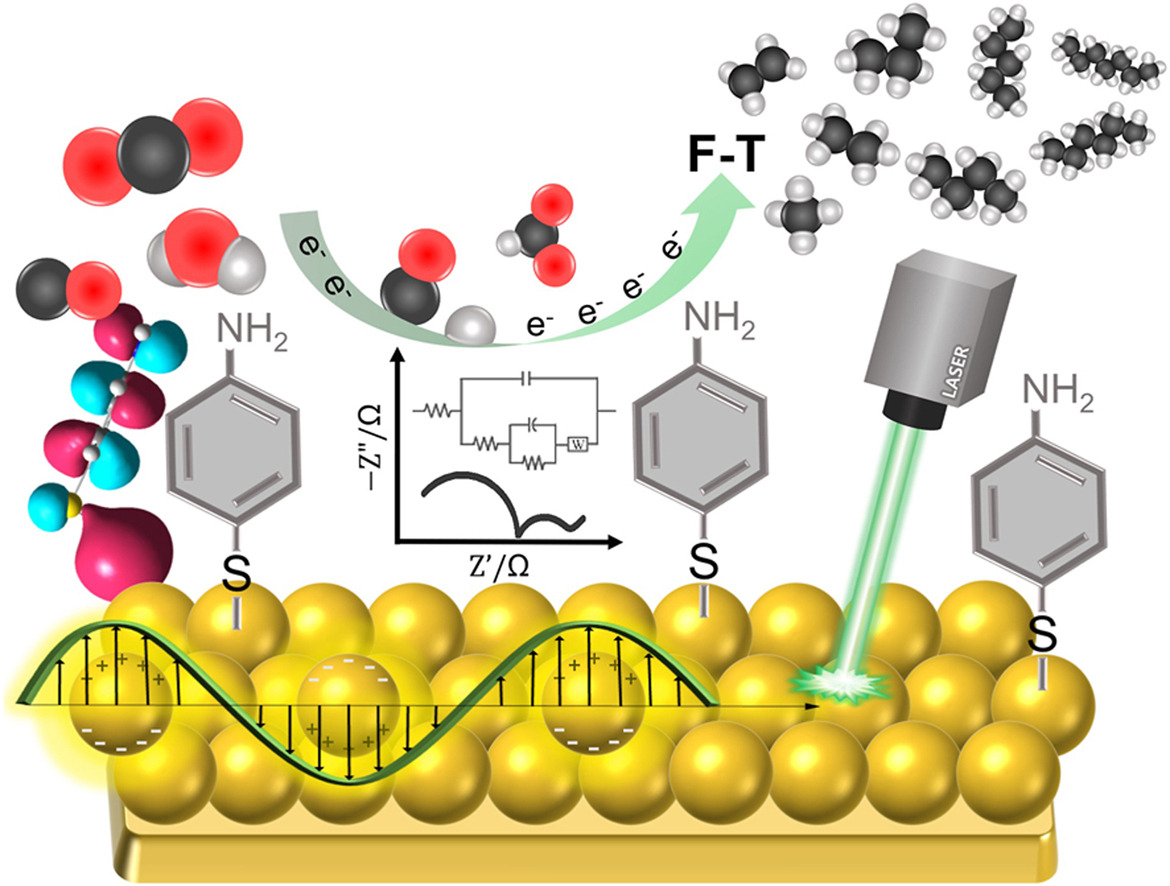
Electrochemical reduction of CO2 and CO into long-chain hydrocarbons offers a promising route for sustainable carbon valorization, but remains limited by sluggish C–C coupling and competing hydrogen evolution. Here, we report a hybrid electrocatalyst platform that integrates 4-aminothiophenol (ATP) functionalization of gold electrodes with 520 nm light irradiation to promote Fischer-Tropsch-like hydrocarbon synthesis under ambient conditions. The ATP ligand chemisorbs via thiol–Au bonding, stabilizing *CO intermediates and facilitating their coupling into C2+ products. Under both CO2- and CO-saturated environments, the ATP–Au520 interface exhibits significantly enhanced hydrocarbon selectivity—achieving over threefold increases in C2+ Faradaic efficiency compared to bare Au. Electrochemical impedance spectroscopy reveals the lowest interfacial resistance and highest double-layer capacitance for ATP–Au520, reflecting improved charge transfer and intermediate retention. Notably, the photo-enhancement is electrolyte-dependent: while KHCO3 shows negligible improvement due to poor field confinement and limited *CO generation, phosphate buffers support tighter electric double-layer formation and enhanced plasmon–electrolyte–surface coupling, amplifying light-assisted reactivity. These findings establish a design framework in which ligand coordination, plasmonic excitation, and electrolyte structuring cooperatively direct multicarbon formation. This approach provides new insight into interface engineering for light-responsive electrocatalytic platforms targeting efficient CO2/CO upgrading to high-value hydrocarbon fuels.
- 243
Selective CO2 and CO electroreduction to C2–C7 hydrocarbons on Pd–Au electrodes: Role of interfacial impedance and CO adsorption modulation
Hyeonji Lee; Seon Young Hwang; Gaeun Yun; So Young Kim; Hui Eun Shim; Choong Kyun Rhee; Youngku Sohn
Appl. Surf. Sci. 2025, 710, 163939. DOI ↗ 📊 인용 ↗
📄 Abstract ▾
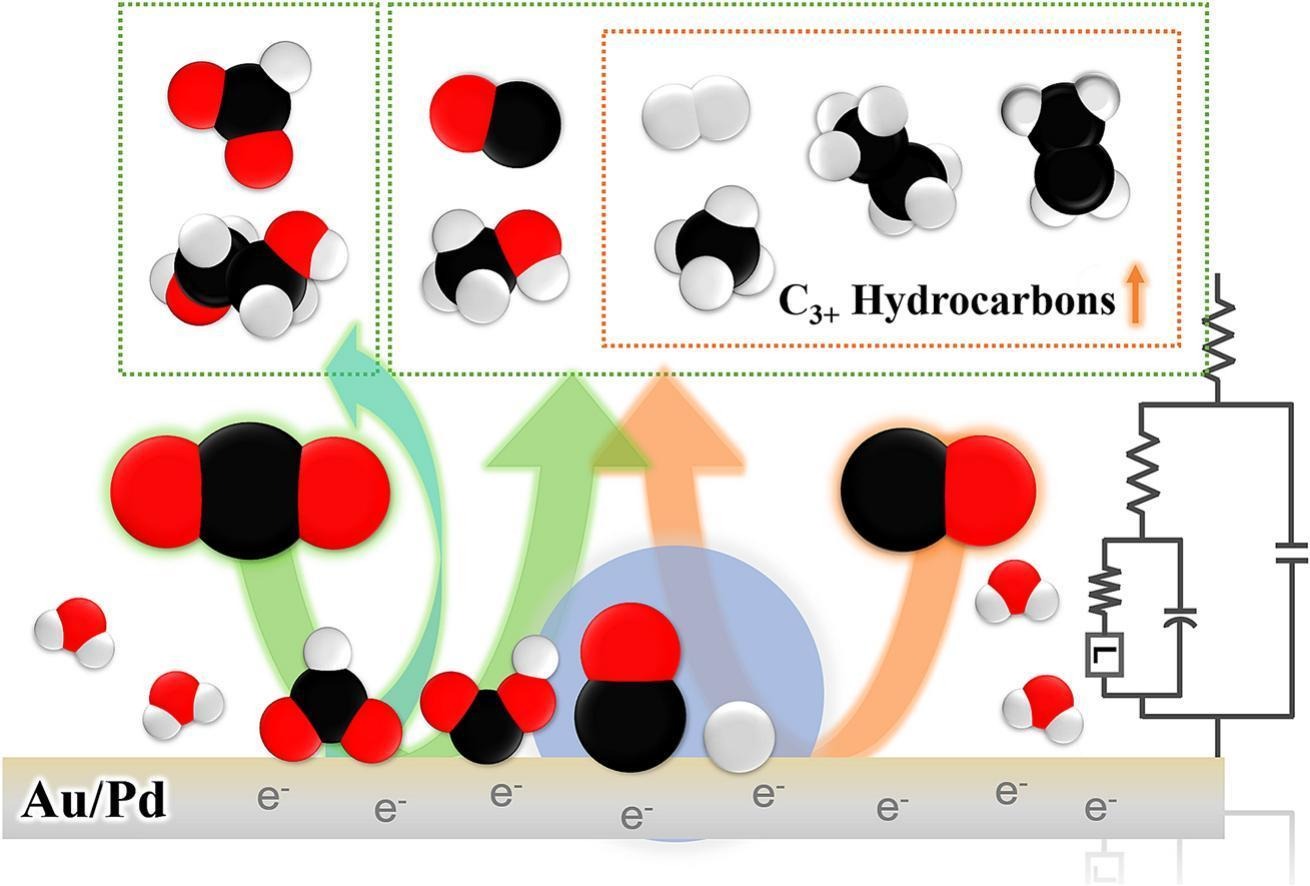
Electrochemical reduction of CO2 and CO was systematically studied using bare Pd and Au-modified Pd electrodes in KHCO3 and phosphate electrolytes to explore the impact of electrode composition and electrolyte environment on product selectivity and reaction kinetics. CO and H2 were the dominant gaseous products, with minor CH4 and C2+ hydrocarbons detected. Formate and methanol were observed only under CO2 conditions. Au incorporation into Pd significantly enhanced hydrocarbon formation—by more than 10 times—particularly in phosphate electrolyte, by weakening CO binding and promoting intermediate desorption. The use of phosphate electrolyte increased the C2+ Faradaic efficiency by over 8-fold compared to KHCO3. Anderson–Schulz–Flory analysis confirmed Fischer-Tropsch-like behavior up to C7 hydrocarbons, with alkenes showing higher chain growth probability than alkanes. Electrochemical impedance spectroscopy revealed that KHCO3 induces higher charge transfer and interfacial resistance, likely due to strong CO adsorption, whereas phosphate promotes more favorable interfacial kinetics. Au deposition further reduced interfacial resistance and modulated double-layer capacitance, depending on electrolyte pH and applied potential. Spectroscopic characterization confirmed that Au modified the electronic structure of Pd, stabilizing the active surface under reductive conditions. These findings highlight the synergistic effects of Au alloying and phosphate electrolytes in optimizing CO2/CO electroreduction toward long-chain hydrocarbon production.
- 242
Electrochemical reduction of CO2 and CO over Au on molybdenum: Insights into interfacial reaction kinetics and electronic structures
Jihye Lee; Huieun Shim; Gaeun Yun; Hyeonji Lee; Yunji Gwon; Choong Kyun Rhee; Youngku Sohn
Electrochim. Acta 2025, 540, 147245. DOI ↗ 📊 인용 ↗
📄 Abstract ▾
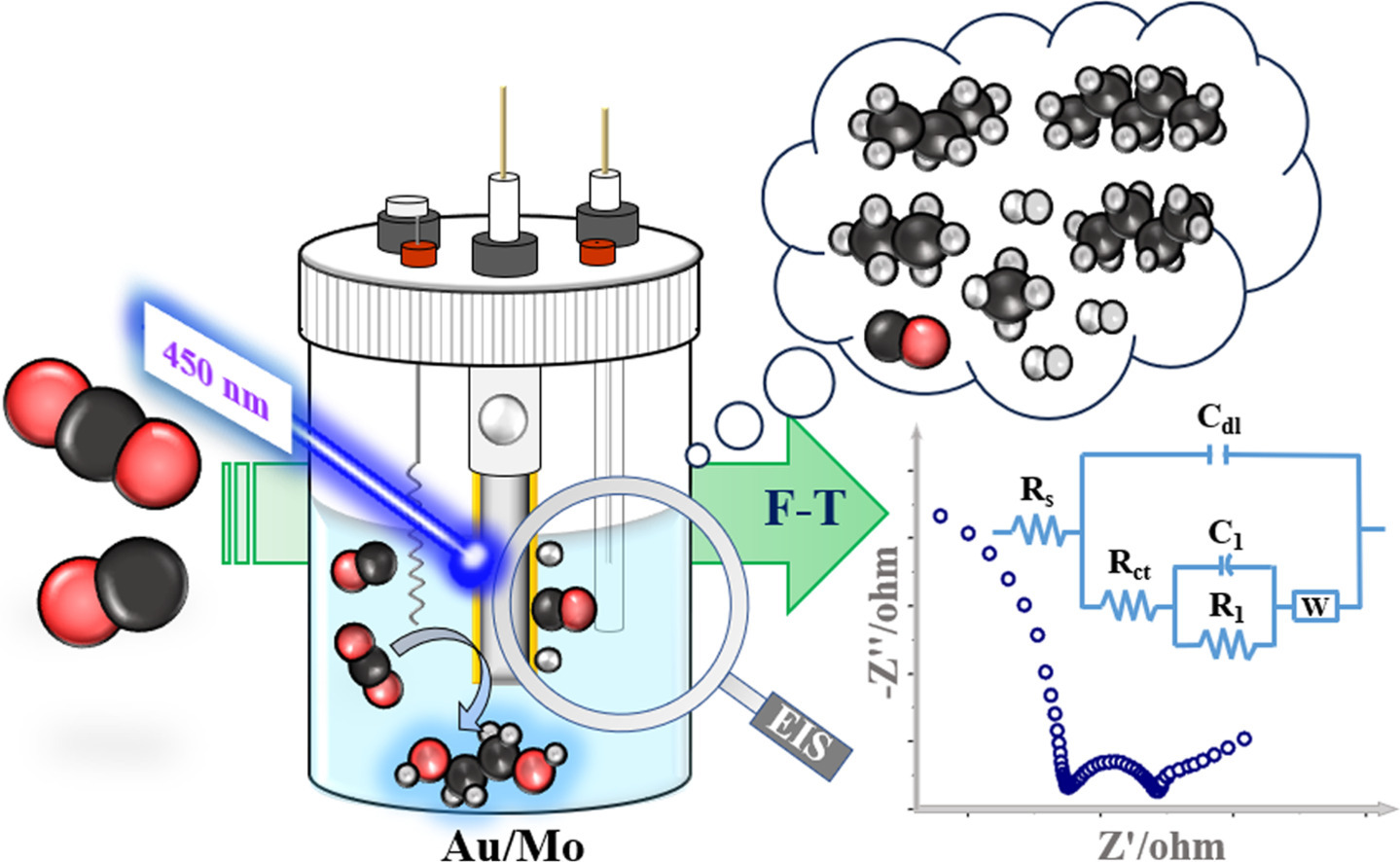
The development of electrochemical platforms capable of mimicking Fischer-Tropsch (F-T) chemistry under ambient conditions remains a key challenge in CO2 utilization. Here, we present a systematic study of electro chemical CO2 and CO reduction (CO2RR and CORR) over Au-coated molybdenum (Au/Mo) electrodes. In phosphate buffer, Au/Mo achieves high selectivity toward C3+ long-chain hydrocarbons, with a total hydrocarbon faradaic efficiency (FE) of 0.251% and a chain growth probability (α) of ~0.30, consistent with classical F-T behavior. In contrast, KHCO3 favors oxygenate production, notably ethylene glycol, with FE reaching 0.732%. Analysis of potential, pH, and alkali cation effects reveals that phosphate enhances *CO accumulation and hydrogenation, whereas bicarbonate promotes C–O bond formation. Photo-assisted CO2RR and CORR under 450 nm illumination show divergent effects: hydrocarbon suppression under CO2 and enhancement under CO, attributed to *CO/*H dynamics and interfacial charge modulation. Electrochemical impedance spectroscopy reveals gas- and potential-dependent evolution of the kinetic resistance, highlighting HER/CO2RR competition. X-ray photoelectron spectroscopy confirms that Mo oxidation states and Au electronic structure are modulated by interfacial conditions, with partially oxidized Mo stabilizing active *CO-binding sites. Together, these results demonstrate that Au/Mo heterointerfaces offer a tunable platform for multi-carbon product formation via coupled electron–proton transfer and surface reconstruction. This work lays the groundwork for designing advanced heterostructures for selective CO2/CO electroconversion.
- 241
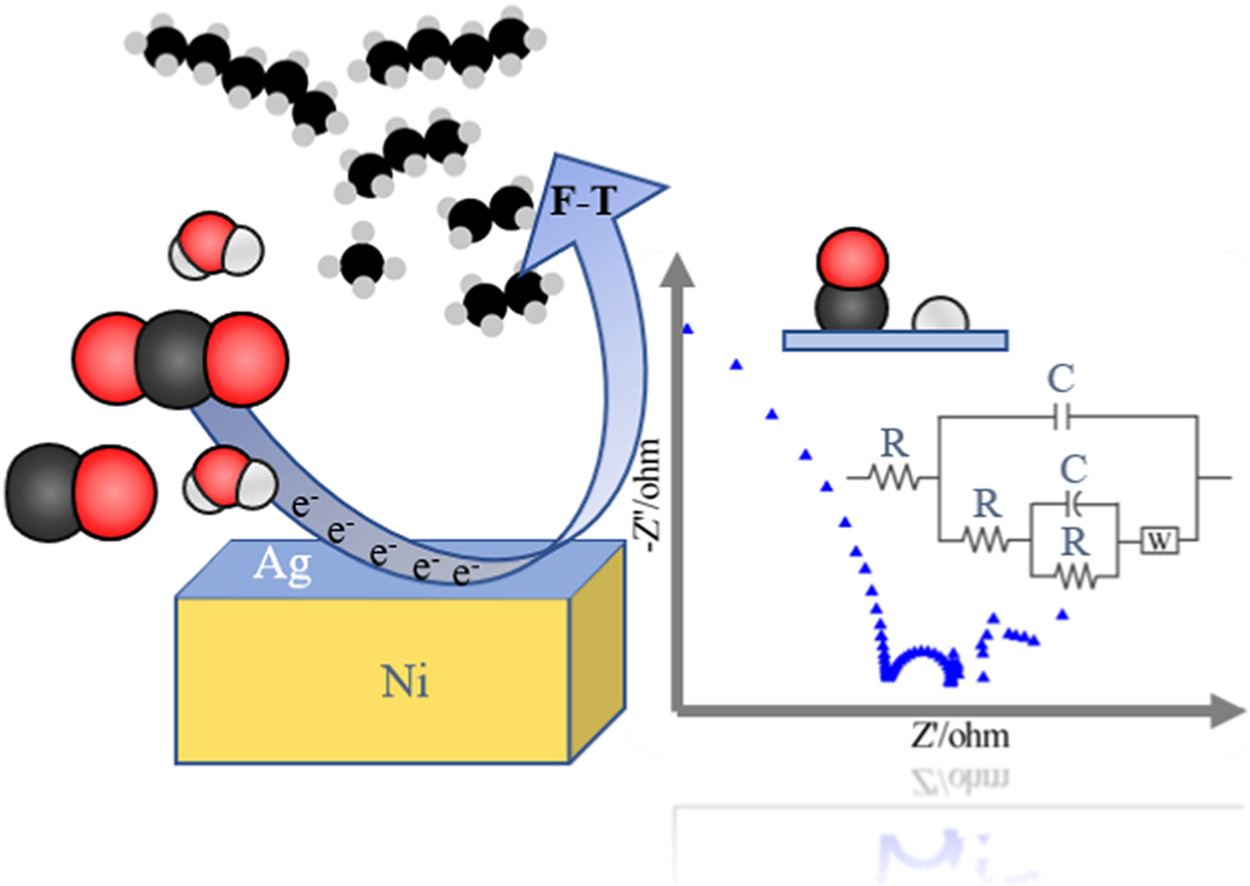
Ag on Ni supports: In situ impedance analysis and Fischer–Tropsch mimicry via electrochemical CO2 and CO reduction
Wookyeong Kang; Jaehee Shin; Yunji Gwon; Sooyeon Bae; Choong Kyun Rhee; Youngku Sohn
Mater. Today Energy 2025, 53, 102005. DOI ↗ 📊 인용 ↗
📄 Abstract ▾
Electrochemical reduction of CO2/CO to value-added hydrocarbons represents a promising route toward sustainable fuel synthesis. In this work, we investigate Ag-coated Ni electrodes as tunable platforms for mimicking Fischer-Tropsch (FT)-like chemistry via electrochemical CO2/CO reduction. By systematically varying Ag overlayer thickness and employing X-ray photoelectron spectroscopy, electrochemical impedance spectroscopy (EIS), and product analysis, we uncover detailed mechanistic insights into surface transformation, interfacial electronic structure, and catalytic performance. Thin Ag coatings permit partial exposure of the Ni surface, favoring hydrogen evolution and resulting in limited *CO retention, which suppresses effective C–C coupling. In contrast, thicker Ag films yield electronically stabilized metallic surfaces that support sustained *CO accumulation and promote long-chain hydrocarbon formation through FT-like pathways. EIS reveals that CO increases intermediate adsorption resistance because of transient CO poisoning, whereas CO2 maintains more stable interfacial kinetics. Hydrocarbon selectivity, chain growth probability, and alkene/alkane ratios all display strong dependence on applied potential and Ag coverage, underscoring the critical role of *CO–*H balance in enabling C–C bond formation. These findings establish Ag/Ni electrodes as a robust and tunable system for CO2 electroconversion and provide fundamental insights into interfacial reaction dynamics, intermediate evolution, and structure–function relationships in hybrid electrochemical catalysts.
- 240
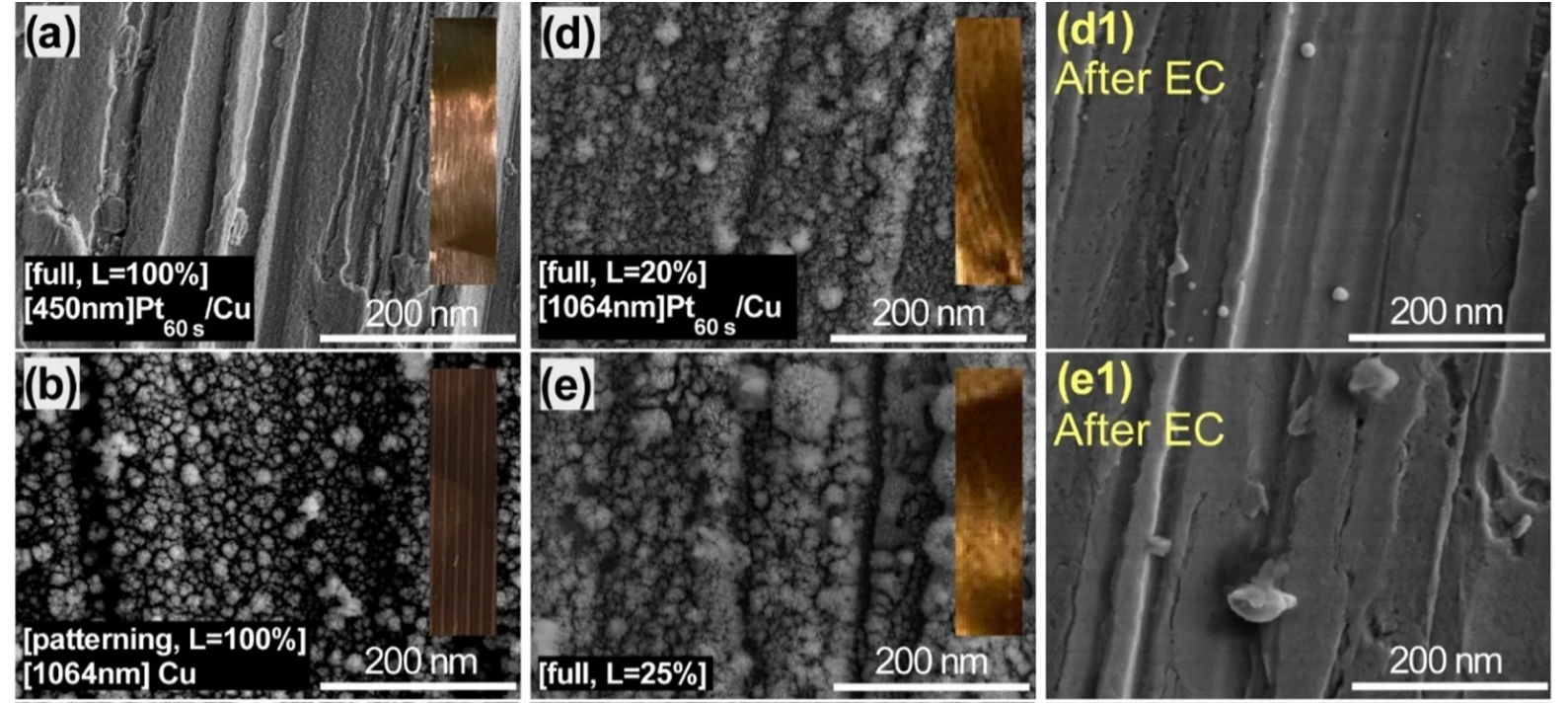
Interface engineering of Pt-deposited Cu electrodes via laser ablation for enhanced electrochemical CO2 reduction to multi-carbon products
Sooyeon Bae; Gaeun Yun; Yunji Gwon; So Young Kim; Youngku Sohn
Advances in Industrial and Engineering Chemistry 2025, 1, 19. DOI ↗ 📊 인용 ↗
📄 Abstract ▾
Copper-based electrodes have been widely employed as primary materials in electrochemical CO 2 reduction studies due to their diverse product spectrum and high catalytic efficiency. In this work, we selected a Pt-deposited Cu electrode system and employed laser ablation to precisely tune the electrode interface. This interface engineering facilitated a detailed investigation of the complex relationships influencing product formation. The reduction products included gaseous species such as H 2 , CO, CH 4 , and hydrocarbons beyond C 2 , as well as liquid products including ethanol, acetic acid, propanol, isopropanol, acetaldehyde, and glycolaldehyde. These products were systematically studied by finely adjusting the electrode surface via laser treatment, allowing exploration of both oxygenated and non-oxygenated C–C coupling pathways. Additionally, we conducted an in-depth analysis of electrochemical Fischer–Tropsch synthesis mechanisms at the engineered Pt/Cu interface. Ultimately, the interface-controlled Pt/Cu system exhibited unique product distributions, which provide important insights for the development of highly efficient alloy-type electrodes.
- 239
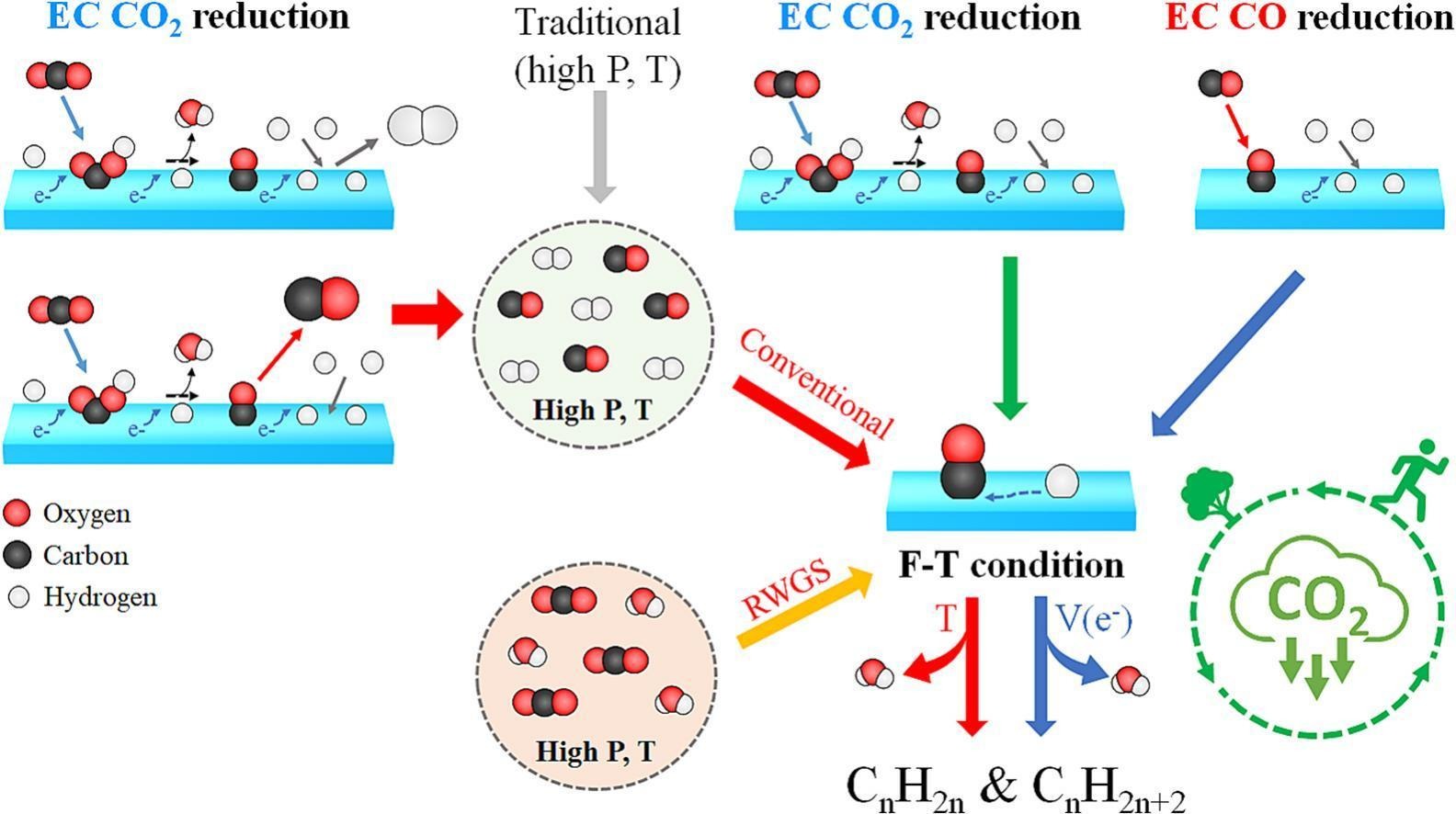
Electrochemical Fischer–Tropsch chemistry
Seon Young Hwang; Gaeun Yun; Boon Siang Yeo; Youngku Sohn
Chem. Eng. J. 2025, 520, 165806. DOI ↗ 📊 인용 ↗
📄 Abstract ▾
Fischer-Tropsch (F-T) synthesis is a well-established industrial process for producing long-chain paraffins and olefins (CnH2n+2 and CnH2n) from syngas (CO and H2), traditionally requiring high temperatures, high pressures, and thermal catalysts. These conditions result in significant energy consumption and environmental challenges. To develop a more sustainable and efficient alternative, electrochemical (EC) approaches have emerged as a promising solution, utilizing common surface intermediates, such as *CO and *H, found in both thermal and EC processes. However, replicating the F-T synthesis through EC reduction of CO and CO2 remains in its infancy and presents considerable challenges for achieving high yields and efficiency. In this review, we introduce the concept of EC F-T chemistry, summarizing recent pioneering research and discussing the future outlook and potential directions for this emerging field.
- 238
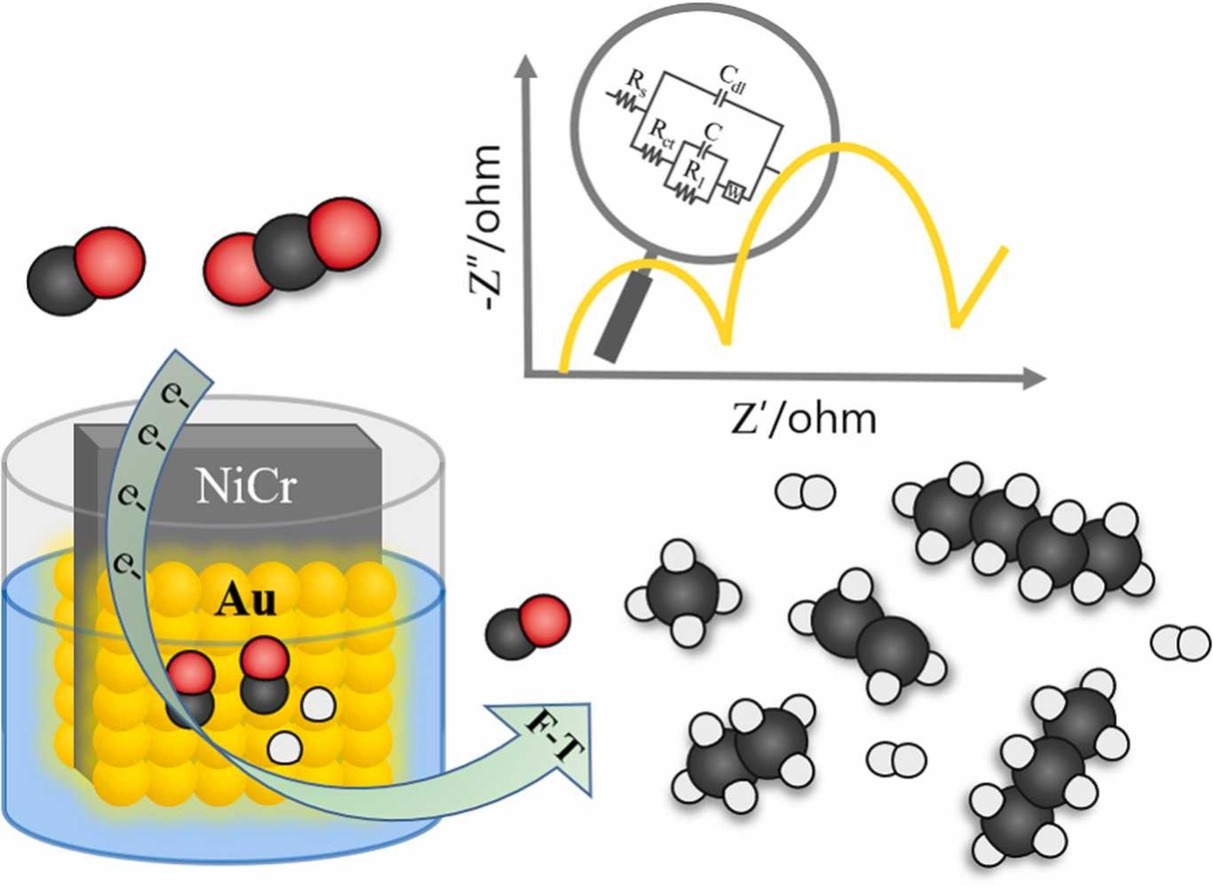
Electrochemical CO2 and CO reduction on Au/NiCr electrodes: Fischer–Tropsch mimicry and kinetic insights from in situ impedance spectroscopy
Hyerin Shin; So Young Kim; Gaeun Yun; Hyeonji Lee; Huieun Shim; Yunji Gwon; Sooyeon Bae; Jaehee Shin; Choong Kyun Rhee; Youngku Sohn
J. Alloys Compd. 2025, 1039, 183407. DOI ↗ 📊 인용 ↗
📄 Abstract ▾
Electrochemical CO2 and CO reduction (EC CO2RR and CORR) provide promising routes for sustainable hydrocarbon fuel production. Here, we investigate Au-coated NiCr alloy electrodes (Au/NiCr) with varied Au sputtering times (20–300 s) to study how Au thickness and interfacial structure affect catalytic behavior. At low Au coverage (20 s), exposed NiCr sites lead to strong *CO binding and limited hydrocarbon formation due to surface poisoning. In contrast, thicker Au layers (≥120 s) yield continuous Au films that enhance *COOH formation, *CO hydrogenation, and promote C–C coupling. In-situ electrochemical impedance spectroscopy shows that Au(300 s)/NiCr exhibits higher double-layer capacitance, lower charge transfer resistance, and greater electrochemical surface area, especially under CO2. These properties correlate with improved stabilization of *CO intermediates and enhanced production of C1–C3+ hydrocarbons via an EC Fischer-Tropsch like mechanism. Combined X-ray diffraction, scanning electron microscopy, and X-ray photoelectron spectroscopy analyses confirm surface restructuring and Au enrichment. This study highlights the synergistic role of Au thickness and alloy interface engineering in tuning CO2/CO reduction performance, offering design principles for efficient, tunable hydrocarbon electrosynthesis under mild aqueous conditions.
- 237
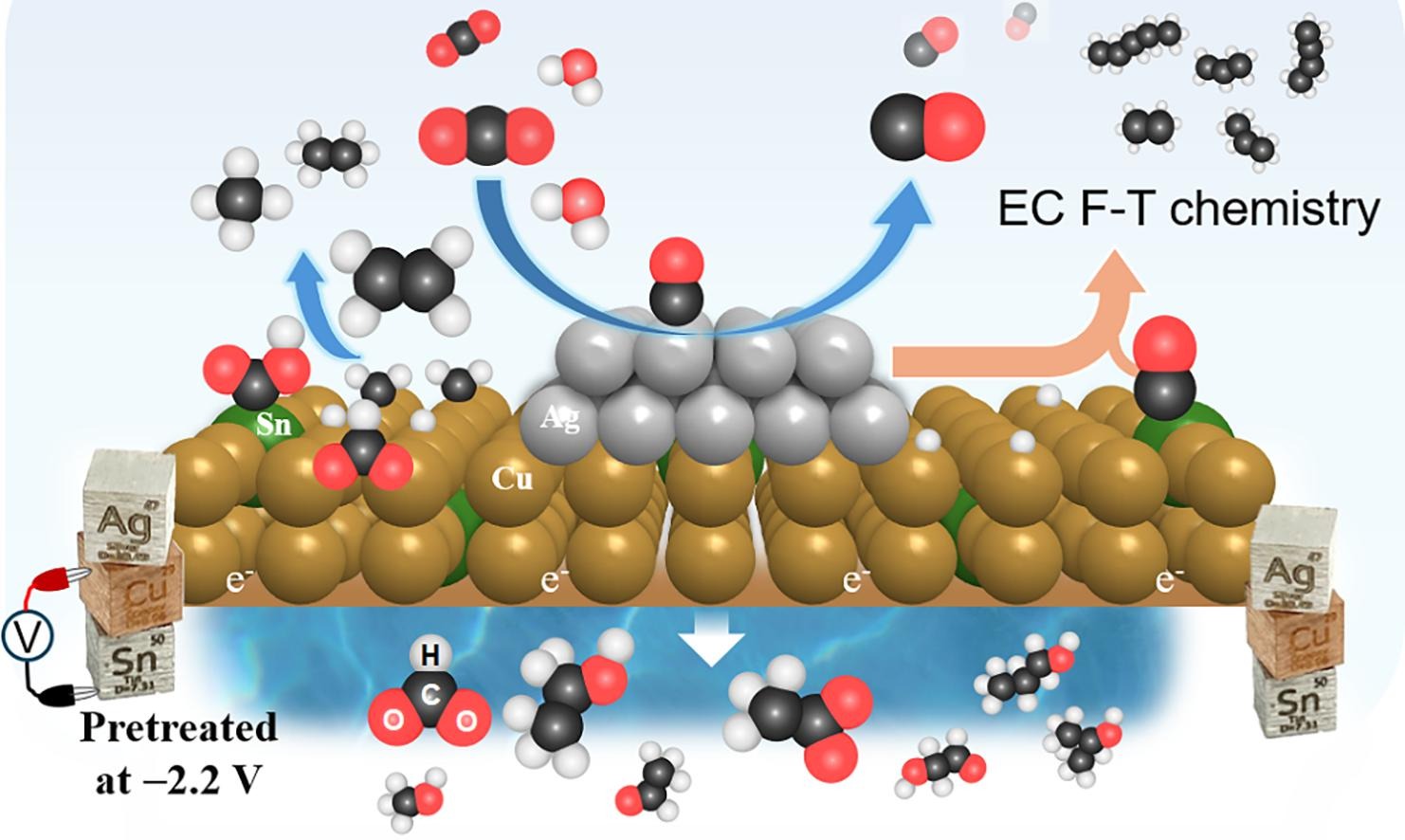
Electrocatalytic CO2 reduction over Ag/CuSn Electrodes: Modulation of C1, C2, and C3+ products
Yunji Gwon; Seon Young Hwang; Sooyeon Bae; Gaeun Yun; So Young Kim; Choong Kyun Rhee; Youngku Sohn
J. Ind. Eng. Chem. 2025, 146, 468-483. DOI ↗ 📊 인용 ↗
📄 Abstract ▾
Combining different metals has proven to be an effective methodology for fabricating electrodes that can manipulate reduction products in electrochemical (EC) CO2 reduction. In this study, CuSn and EC treated CuSn were surface-modified with Ag via sputter deposition. EC CO2 reduction was performed at various applied po tentials in KHCO3, K2CO3, and KOH electrolytes. The effects of cations and anions were tested to examine the variation in reduction products. The major reduction products were H2 and C1 compounds (CO, CH4, formate), as well as C2 compounds (C2H4, ethanol, and acetate). Minor products included C1 compounds (methanol), C2 compounds (acetaldehyde and glycolaldehyde), and C3+ compounds (propanol and isopropanol), along with C2H6 and C3+ hydrocarbon products. The variation of C2+ hydrocarbons was explained by Fischer-Tropsch (F-T) chemistry. The oxidation states of Cu and Sn, as well as the Cu/Sn ratios, were examined before and after EC CO2 reduction using depth-profiled X-ray photoelectron spectroscopy. The experimental factors—catalyst composition, applied potential, and electrolyte composition—interacted to create a complex reaction environment. This combined approach provides valuable insights into identifying optimal conditions for achieving desired product selectivity.
- 236
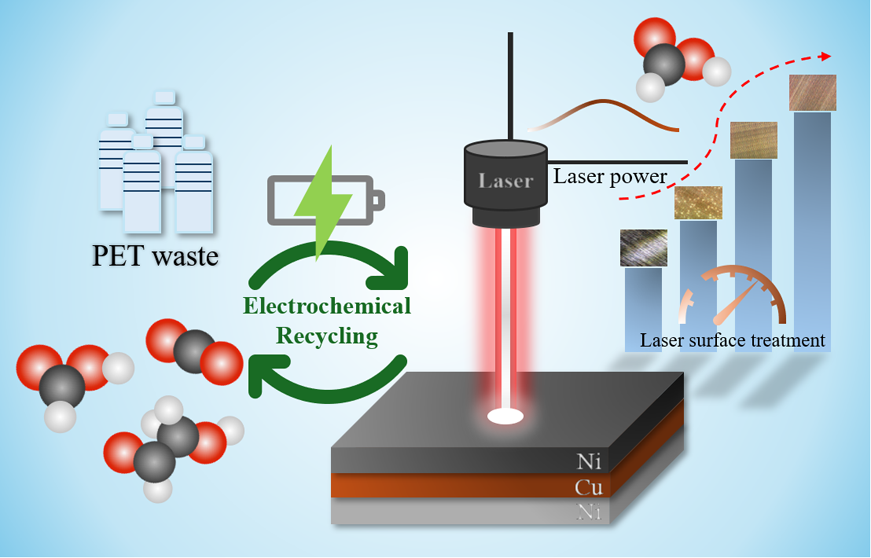
Electrochemical Recycling of Poly(ethylene terephthalate): Controlling Ni/Cu Electrode Oxide Layers through Laser Treatment
Sooyeon Bae; Seon Young Hwang; Gaeun Yun; Yunji Gwon; So Young Kim; Choong Kyun Rhee; Youngku Sohn
ACS Appl. Energy Mater. 2025, 8, 9604-9616. DOI ↗ 📊 인용 ↗
📄 Abstract ▾
Laser-assisted engineering of bimetallic electrocatalysts presents a promising strategy for tuning surface composition and reaction selectivity in alkaline oxidation processes. Herein, we investigate Ni/Cu alloy foil electrodes subjected to varying laser treatment intensities (0–100%) for the electrochemical oxidation of ethylene glycol (EG) to formate in 1.0 M KOH. The electrode treated at 50% laser power (Ni/Cu L =50% ) exhibited the highest formate Faradaic efficiency of 84.9% at 0.55 V Hg/HgO, attributed to optimized surface NiO x phases and enhanced electrochemical surface area. Systematic spectroscopic analyses revealed laser-induced formation of Ni-rich surface layers, which underwent dynamic structural evolution under electrochemical conditions. Electrochemical impedance spectroscopy and Tafel analysis confirmed that laser treatment reduced charge transfer resistance and improved reaction kinetics. The system also demonstrated selective oxidation of hydrolyzed poly(ethylene terephthalate) and terephthalic acid derivatives, highlighting the relevance of this platform for waste-to-chemical conversion. This study demonstrates that pulsed or continuous-wave laser processing enables interfacial modulation of Ni/Cu catalysts, providing a tunable and scalable approach for selective EG oxidation and potentially other small-molecule transformations.
- 235
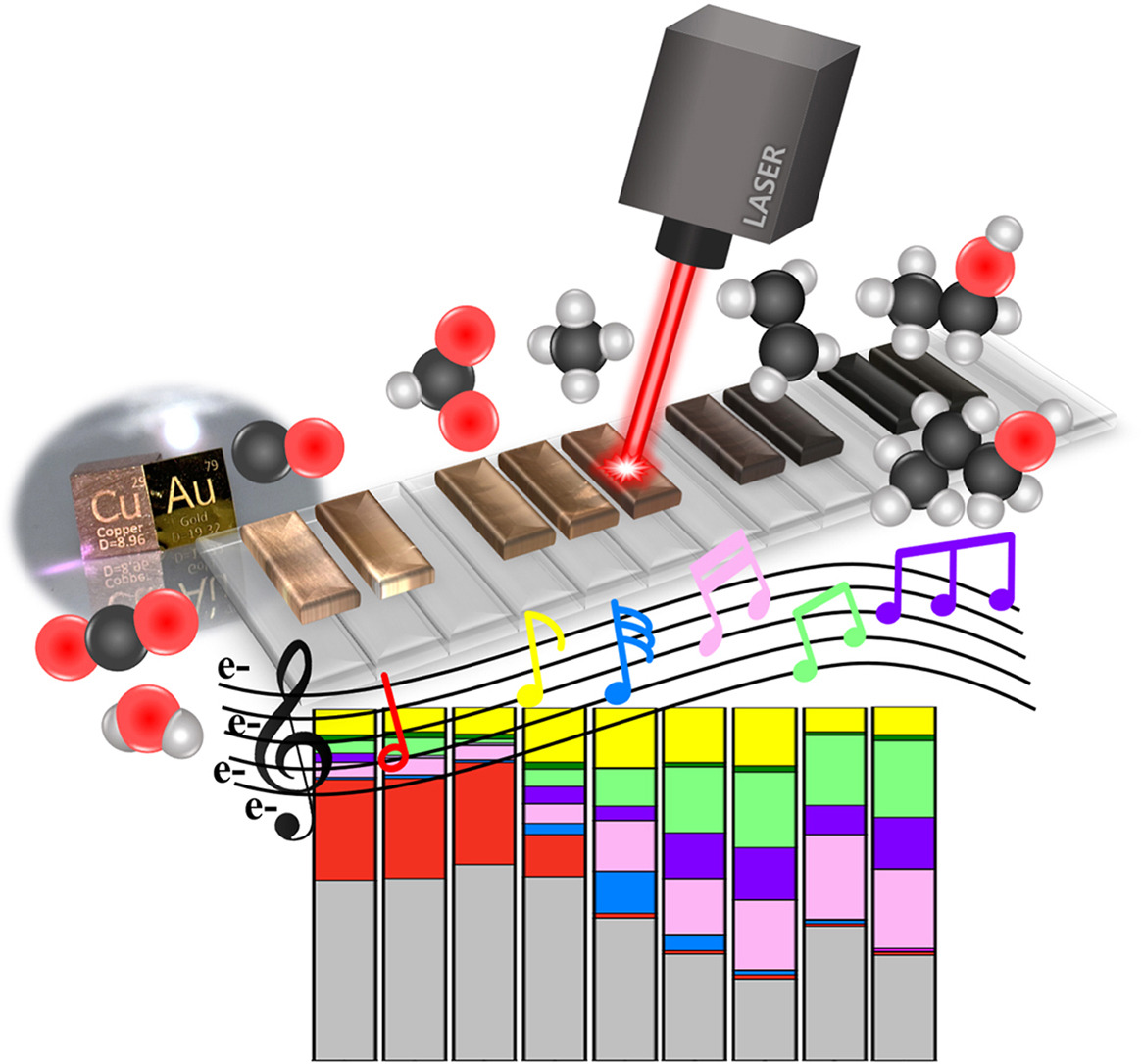
Laser ablation-controlled Au/Cu interfaces for modulating C1, C2, and C3+ chemistry in electrochemical CO2 reduction
Hui Eun Shim; Gaeun Yun; Seon Young Hwang; So Young Kim; Choong Kyun Rhee; Youngku Sohn
Mater. Today Energy 2025, 49, 101842. DOI ↗ 📊 인용 ↗
📄 Abstract ▾
The precise modulation of an electrode surface has proven instrumental in shaping the final products and their selectivities during electrochemical CO2 reduction (EC CO2R). In the case of Cu-based electrodes, the resulting products exhibit a diverse distribution spanning C1, C2, and C3+ products, showcasing intricate interrelations. In this study, we delve into a more profound exploration of these interrelationships through interface tuning. Specifically, we selected the Au/Cu electrode system and refined the interface using a laser ablation method to remove the overlayer of Au on the Cu support. The reduction products encompassed H2, CO, formate, CH4, C2H4, C2H6, oxygenated products (ethanol, acetate, propanol, and isopropanol), and C3+ hydrocarbons. These products were systematically investigated with a finely tuned Au coverage, exploring both oxygenated and nonoxygenated C-C coupling paths. The discussion further delved into Fischer-Tropsch synthesis via electrochemistry. The results revealed a strong correlation between the product outcomes and the density of states near the Fermi level, along with the interfacial electronic structures of the overlaid Au and Cu support. The very unique findings from the interface-controlled Au/Cu system, yielding C1, C2, and C3+ products, offer crucial insights for advancing the development of highly efficient bimetallic electrodes formed at interfaces.
- 234
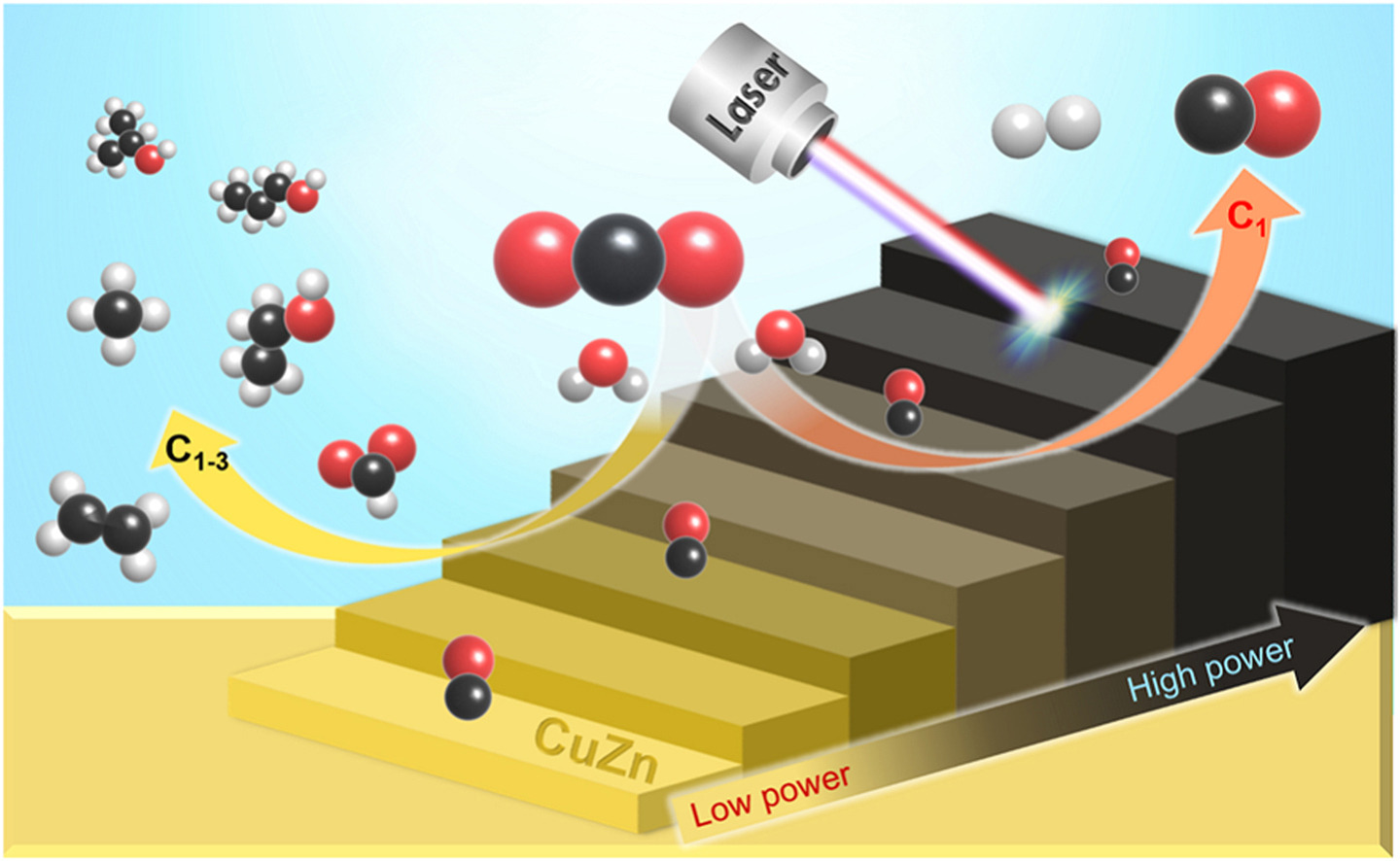
Modulating electrochemical CO2 reduction products by precise tuning of CuZn surface oxidation states
Yunji Gwon; Seon Young Hwang; So Young Kim; Sooyeon Bae; Gaeun Yun; Choong Kyun Rhee; Youngku Sohn
Mater. Today Energy 2025, 49, 101831. DOI ↗ 📊 인용 ↗
📄 Abstract ▾
Surface oxidation states and elemental compositions critically influence the distribution of reduction products in electrochemical CO2 reduction reactions. Demonstrating the precise modulation of these products by adjusting electrode surface properties remains challenging. This study utilized a CuZn electrode, whose surface was finely tuned using infrared laser treatment at varying power levels. This method effectively modulated the reduction products by altering the CuZn electrode’s surface characteristics. Our investigation shows that increasing laser power shifts the electrochemical activity towards the production of C1 products like CO, while decreasing the formation of C2 and C3+ products such as ethylene, ethanol, and propanol. These changes, closely tied to modifications in surface oxidation states, elemental compositions, and interfacial electronic structures, highlight the potential of surface engineering in enhancing catalyst selectivity and efficiency for desired CO2 reduction pathways.
- 233
Cellulose-Based SERS Substrate for Vapor-Phase Thiol Detection with PCA for Enhanced Chemical Selectivity
Ba-Thong Trinh; Sy Khiem Nguyen; Dayeon Kim; Huu-Quang Nguyen; Jaebeom Lee; Youngku Sohn; Ilsun Yoon
Chemosensors 2025, 13, 101. DOI ↗ 📊 인용 ↗
📄 Abstract ▾
In this work, we present a low-cost, label-free cellulose-based paper SERS (Surface-Enhanced Raman Scattering) substrate for the sensitive detection of thiol compounds. Uniform silver nanoparticles (AgNPs) were synthesized on cellulose filter paper via in situ reduction of a silver precursor under UVC irradiation, achieving a high SERS enhancement factor of 8.5 × 10⁶. The Ag-cellulose substrate demonstrated reliable detection of benzenethiol, capturing its characteristic SERS signals with remarkable sensitivity. Quantitative analysis was enabled by adjusting exposure times for accurate calibration. Furthermore, Principal Component Analysis (PCA) was successfully employed to distinguish mixed samples of benzenethiol, hexanethiol, and propanethiol, showcasing the substrate’s capability in separating complex mixtures. This cellulose-based AgNP platform offers a sustainable, cost-effective solution for rapid chemical detection, with significant potential for real-world applications such as environmental monitoring and food safety.
- 232
Insights into MXenes and MXene-based heterostructures for various photocatalytic applications
Shaikh Parwaiz; Youngku Sohn; Mohammad Mansoob Khan
Mater. Sci. Semicond. Process. 2025, 186, 109099. DOI ↗ 📊 인용 ↗
📄 Abstract ▾
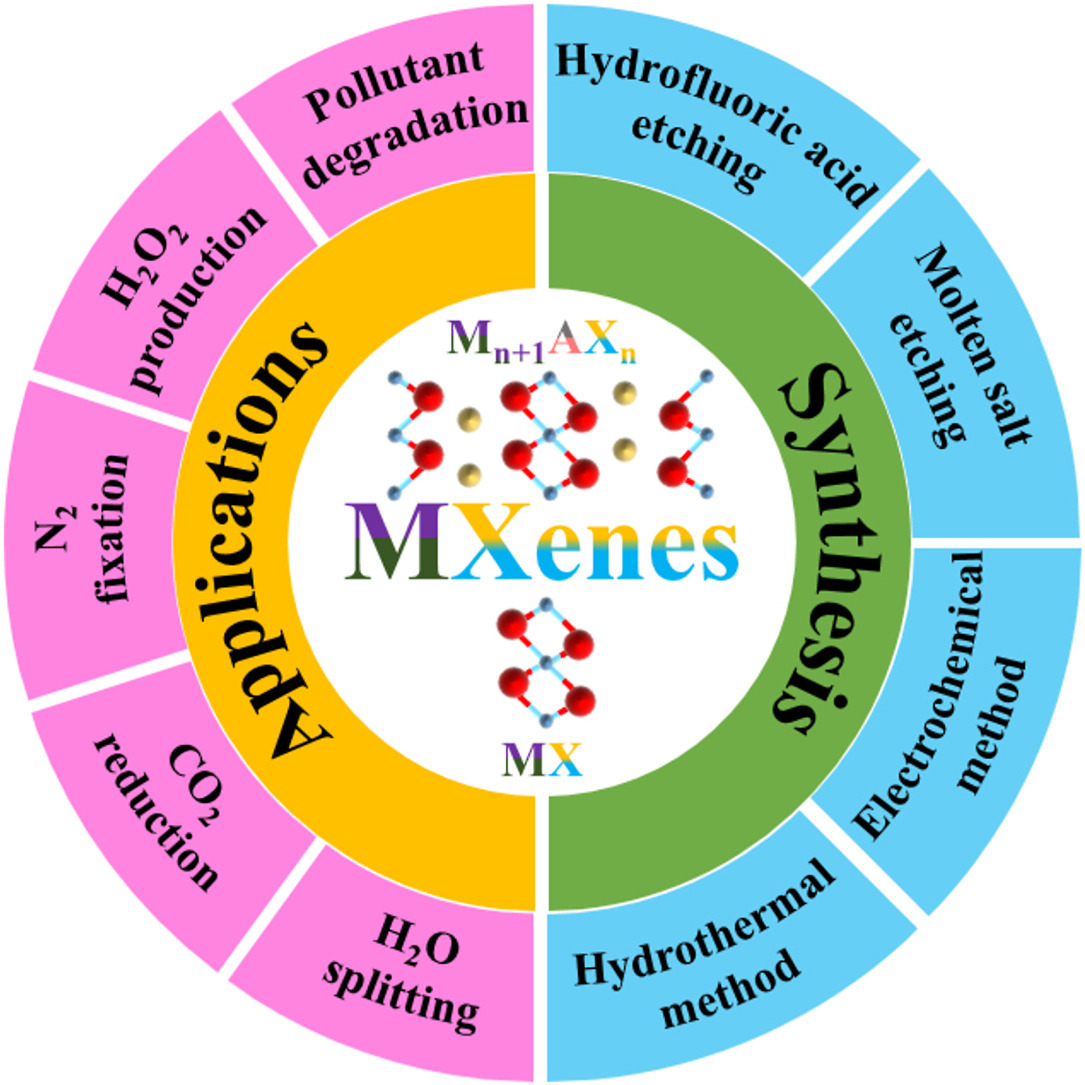
Photocatalytic conversion of solar energy into chemical energy is a prospective solution to the energy crisis and environmental challenges. MXenes, characterized by their unique surface features and physicochemical properties derived from their atomically thin layered structures, are becoming promising candidates for various photocatalytic applications. This review offers a concise analysis of the structure and categorization of MAX phases and MXenes. The discussion covers a succinct overview of different synthesis techniques employed in the preparation of MXenes, encompassing traditional HF etching methods, HF-free alternatives, additive-mediated synthesis, and direct synthesis. This study highlights MXenes and related heterostructures as photocatalysts for H2O splitting, CO2 reduction, N2 fixation, H2O2 generation, and pollutant degradation. We incorporated two complementary approaches, in-situ characterization methods, and first-principles calculations, in the following section to provide a better understanding. We conclude this review by offering insights into future directions and a concise summary of the potential applications of MXenes and MXene-based heterostructures in photocatalysis. This review could serve as a valuable reference for the design and fabrication of unique and promising MXene-based photocatalysts.
- 231
Electrochemical CO2 reduction chemistry of C1 and C2+ products on Cu/Zn electrodes via galvanic replacement
Jaehee Shin; Yunji Gwon; Seon Young Hwang; Sooyeon Bae; So Young Kim; Choong Kyun Rhee; Youngku Sohn
J. Alloys Compd. 2025, 1010, 177660. DOI ↗ 📊 인용 ↗
📄 Abstract ▾
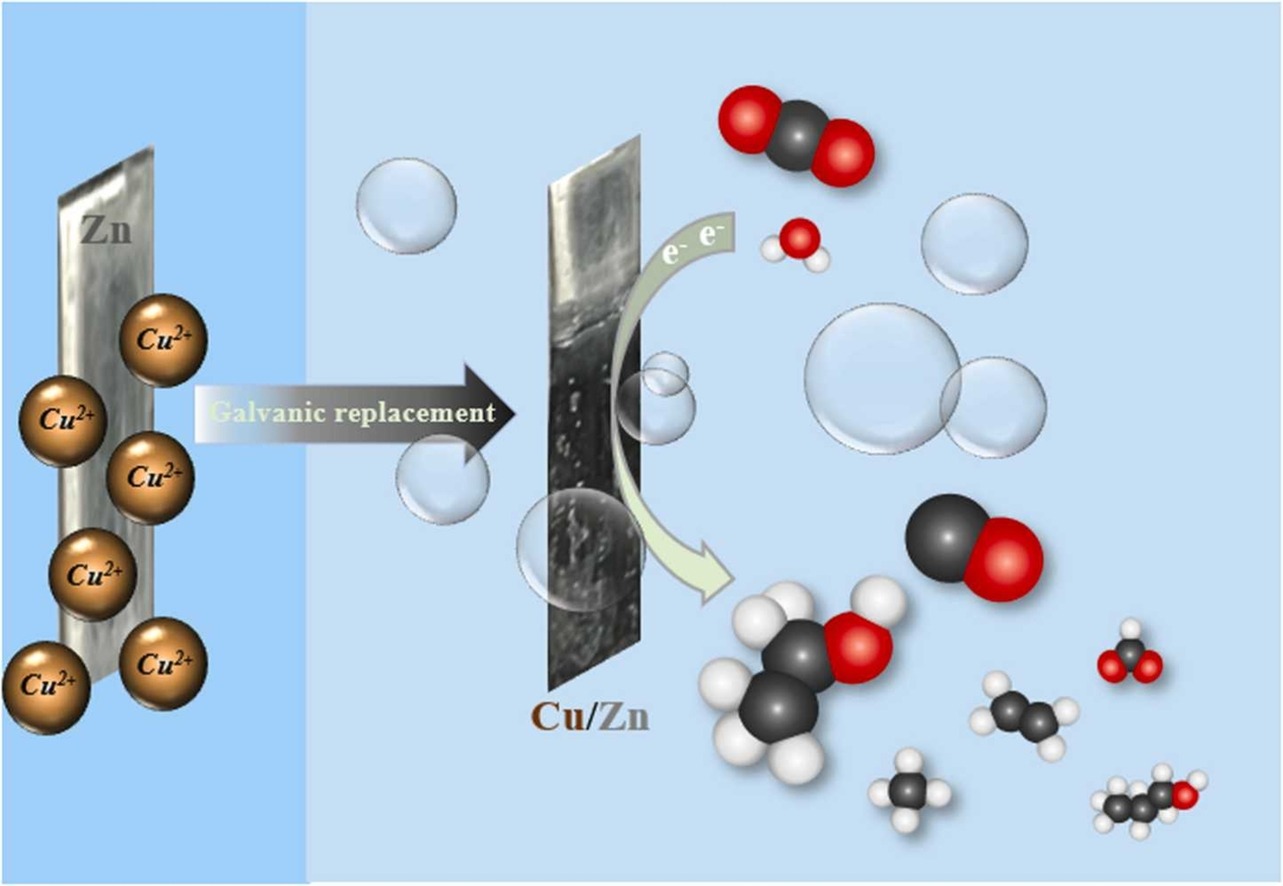
Electrochemical (EC) reduction of CO2 has gained significant interest for producing value-added products, especially with Cu-based electrodes. In this study, a Cu/Zn electrode was prepared via galvanic replacement and evaluated for its efficiency in generating C1 and C2+ products during EC CO2 reduction. Key experimental parameters included applied potentials, electrolyte concentrations, light irradiation, and electrode configurations. The Cu/Zn electrode demonstrated notably high selectivity for ethanol, alongside syngas (CO and H2) production. The formation of ethanol and CO was primarily influenced by the applied potential and electrolyte concentration. Post-reaction analysis revealed substantial changes in the electrode’s morphology, crystal structure, oxidation states, and Cu/Zn ratios. These findings enhanced the understanding of ethanol production mechanisms and C1/C2+ product formation, contributing to the development of more effective bimetallic electrodes for CO2 reduction.
2024
- 230
NiO@GaN nanorods-based core-shell heterostructure for enhanced photoelectrochemical water splitting via efficient charge separation
Kedhareswara Sairam Pasupuleti; Roshani Awanthika Jayarathna; Seon Young Hwang; Pham Thi Minh Thu; Devthade Vidyasagar; Yun-Hae Shim; Eui-Tae Kim; Youngku Sohn; Young Heon Kim; Moon-Deock Kim
J. Alloys Compd. 2024, 1009, 176882. DOI ↗ 📊 인용 ↗
📄 Abstract ▾
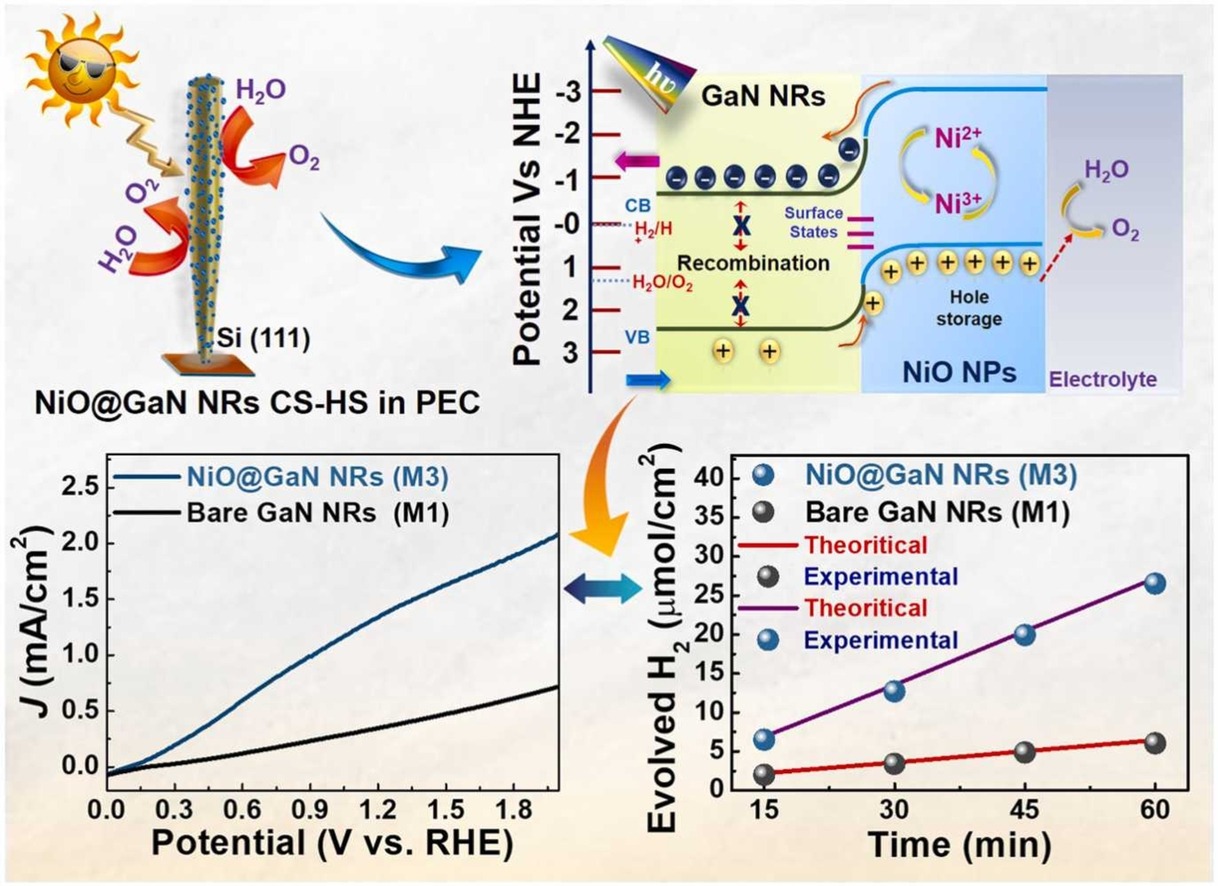
Remarkable properties of III-V semiconductors, particularly GaN nanostructured based photoelectrodes offers a potential attention in the field of photoelectrochemical water splitting (PEC-WS) for clean and sustainable hydrogen production, due to its wide bandgap, magnificent optoelectrical properties. However, the presence of inevitable surface states in GaN nanorods (NRs) leads to low solar-to-hydrogen (STH) conversion efficiency with poor stability, thereby severely limiting their practical application in PEC-WS, which can be effectively alleviated by constructing a hybrid heterostructures. Herein, we present the development of interfacial engineering of a type-II core-shell heterostructure based on p-NiO nanoparticles (NPs) loaded on n-GaN NRs photoelectrodes for PEC-WS. We assessed the impact of the NiO NPs shell density on core GaN NRs, finding that the optimized NiO@GaN NRs photoelectrode achieved a photocurrent density (Jph) of 1.38 mA/cm2 at 1.23 V versus RHE and an excellent applied bias photo-to-current conversion efficiency (ABPE) of ~0.39%, which was 3.8 (Jph) and 4.8 (ABPE)-fold times higher than the pristine GaN NRs photoanode under 1-Sun illumination. The type-II p-n heterojunction band alignment between core-shell NiO@GaN NRs photoelectrode effectively reduced the photogenerated carrier recombination rate through surface states passivation and boost the light absorption and harvesting capacity. This facilitates a significant charge separation and transfer at the photoanode/electrolyte interface leading to enhanced redox reactions, resulting in improved PEC-WS and STH performances. These findings offer a promising strategy to design and fabricate highly efficient III-V hybrid heterostructure photoelectrodes for futuristic PEC-WS-based green energy applications.
- 229
Exploring C1-C3 variations and Fischer–Tropsch chemistry via electrochemical CO2 reduction on electrodeposited Cu/Ag and Ag/Cu electrodes
Seon Young Hwang; Gaeun Yun; So Young Kim; Yunji Gwon; Sooyeon Bae; Choong Kyun Rhee; Youngku Sohn
Electrochim. Acta 2024, 507, 145100. DOI ↗ 📊 인용 ↗
📄 Abstract ▾
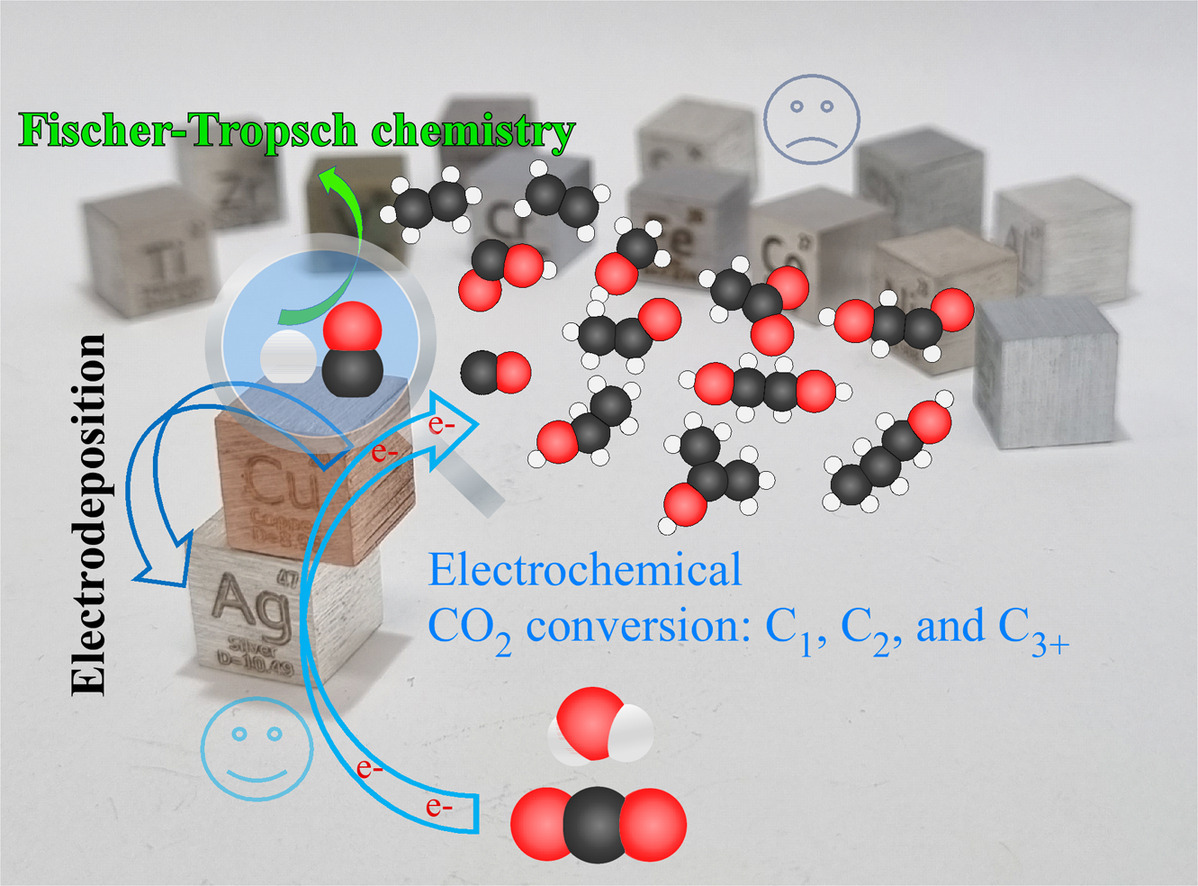
Ag and Cu bimetallic electrodes are extensively studied for producing C-C coupled C2+ reduction products through electrochemical CO2 reduction. In this study, we prepared electrodes with Cu electrodeposited on Ag supports (CuED/Ag) and Ag electrodeposited on Cu supports (AgED/Cu) via electrodeposition, demonstrating behaviors for reduction products under various electrochemical conditions. The products were categorized as H2, C1 (CO, CH4, formate, methanol), C2 (C2H4, ethanol, acetate, acetaldehyde, glycolaldehyde, and ethylene glycol), C3 (propanol, isopropanol), and Fischer-Tropsch (F-T) synthesis products (CnH2n and CnH2n+2, n ≥ 2). Notably, ethylene glycol was only observed over AgED/Cu. The reduction products dynamically changed with applied potentials and electrolyte concentrations. The mechanism was understood to involve surface H* adsorption, CO2 adsorption, C-C coupling, hydrogenation, and dehydration. Minor F-T synthesis chemistry was observed, explained by *CO and *CH2 insertion chain growth. The distinct product behaviors over the CuED/Ag and AgED/Cu electrodes provide valuable insights into the development of electrodes for producing value-added carbon products via CO2 utilization.
- 228
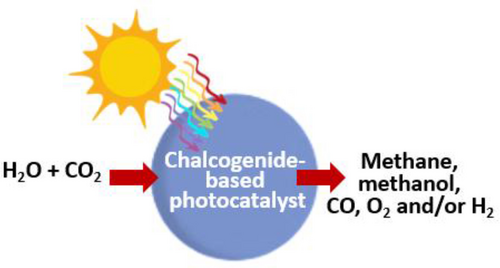
Advances in Artificial Photosynthesis: The Role of Chalcogenides and Chalcogenide‐Based Heterostructures
Ashmalina Rahman; Shaikh Parwaiz; Youngku Sohn; Mohammad Mansoob Khan
ChemPhotoChem 2024, 9, e202400234. DOI ↗ 📊 인용 ↗
📄 Abstract ▾
Artificial photosynthesis, encompassing the photocatalytic generation of H 2 and CO 2 reduction innovations, seems to be a highly promising approach. This is due to its ability to efficiently transform CO 2 into hydrocarbon fuel and valuable chemical products using solar energy as a direct energy source. This will simultaneously help to mitigate global warming and energy shortage issues. Chalcogenide‐based semiconductors have recently gotten a lot of attention as an important area of research for photocatalytic H 2 production and CO 2 conversion, owing to their low band gap energy, suitable band structures, and a great photoresponsivity spectrum. Modifying chalcogenides into their heterostructures could be a great way to solve problems like photo corrosion and carrier recombination. Therefore, this review summarized a series of different modifications of chalcogenides and recent developments in their photocatalytic and photo electrocatalytic performance, particularly in H 2 production and CO 2 conversion. Lastly, we discussed the challenges, limitations, areas for development, and future prospects of chalcogenides and their heterostructures capable of utilizing visible light to produce H 2 gas and reduce CO 2 .
- 227
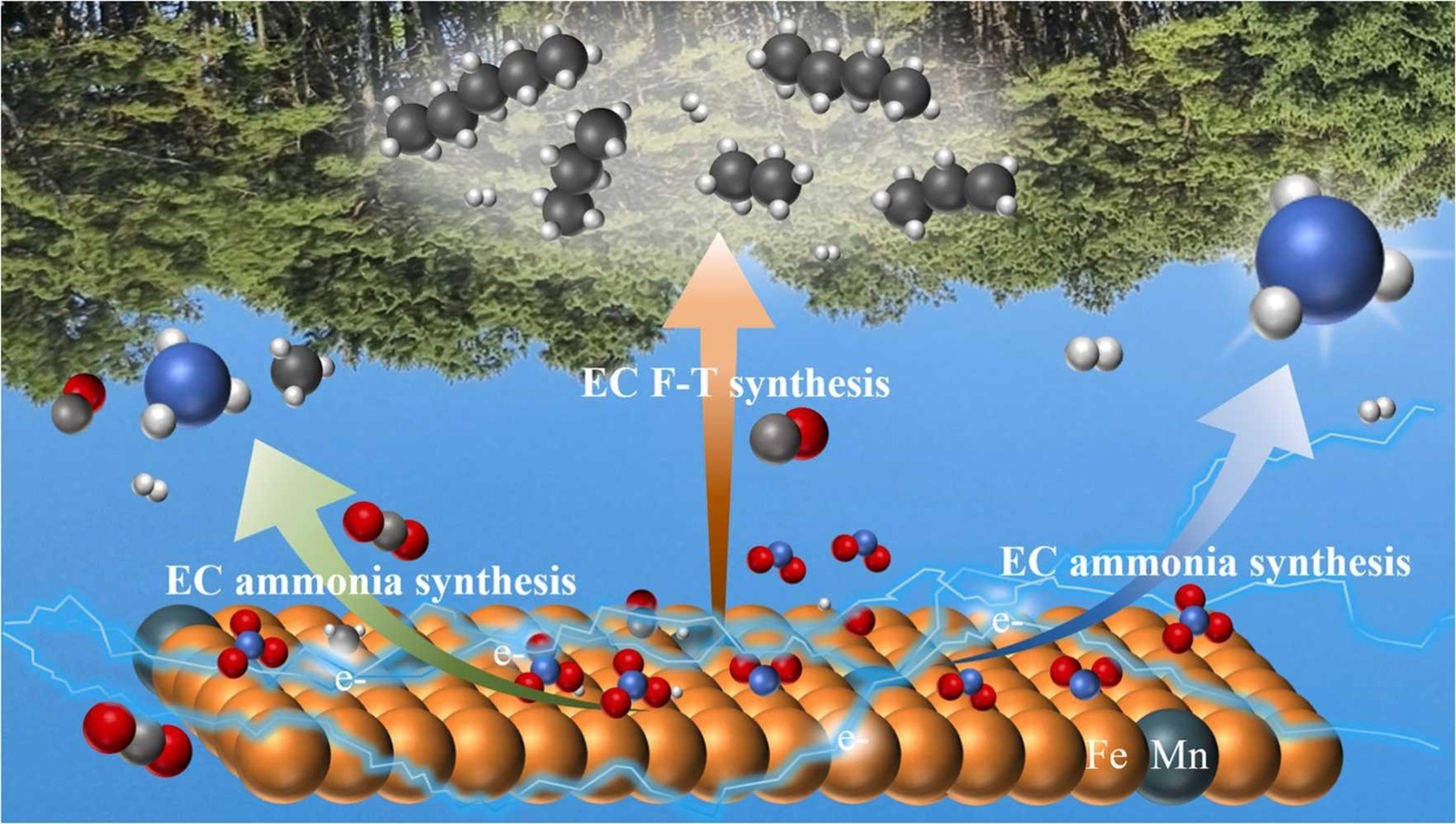
Electrochemical reduction of nitrate to ammonia using Fe-based catalyst: Insights into N2, CO2, and CO environments
Seon Young Hwang; Gaeun Yun; So Young Kim; Choong Kyun Rhee; Youngku Sohn
J. Environ. Chem. Eng. 2024, 12, 114482. DOI ↗ 📊 인용 ↗
📄 Abstract ▾
Electrochemical (EC) reduction of nitrate/nitrite for ammonia production is a key area of research in the realm of nitrogen pollutant treatment and recycling efforts. In this study, we utilized a commercial Fe(Mn) alloy to investigate EC reductions of nitrate/nitrite ions under N 2 , CO, and CO 2 -saturated conditions, shedding light on the influences of different feeding gases. Under N 2 conditions, the ammonia production Faradaic efficiency (FE) reached 60 %; however, it significantly decreased under CO 2 conditions. The presence of CO as a feeding gas proved detrimental, resulting in no ammonia production. Surprisingly, the Fe(Mn) alloy demonstrated superior EC Fischer-Tropsch (F-T) synthesis chemistry under CO conditions, generating CH 4 and long-chain hydrocarbons (C n H 2n+2 and C n H 2n , where n=2–7). This contrasts with existing literature, where such alloys typically perform better under CO 2 conditions. Notably, alkanes were found to be more predominant than their corresponding alkenes . The Anderson-Schulz-Flory equation plots exhibited significant linearity, resembling the traditional Fischer-Tropsch chain growth mechanism. This original discovery introduces new possibilities for employing commercial-grade Fe alloy in the direct EC F-T synthesis using CO, facilitating the production of long-chain hydrocarbons. Moreover, it paves the way for nitrate/nitrite ion treatments in analogous processes within diverse gas environments.
- 226
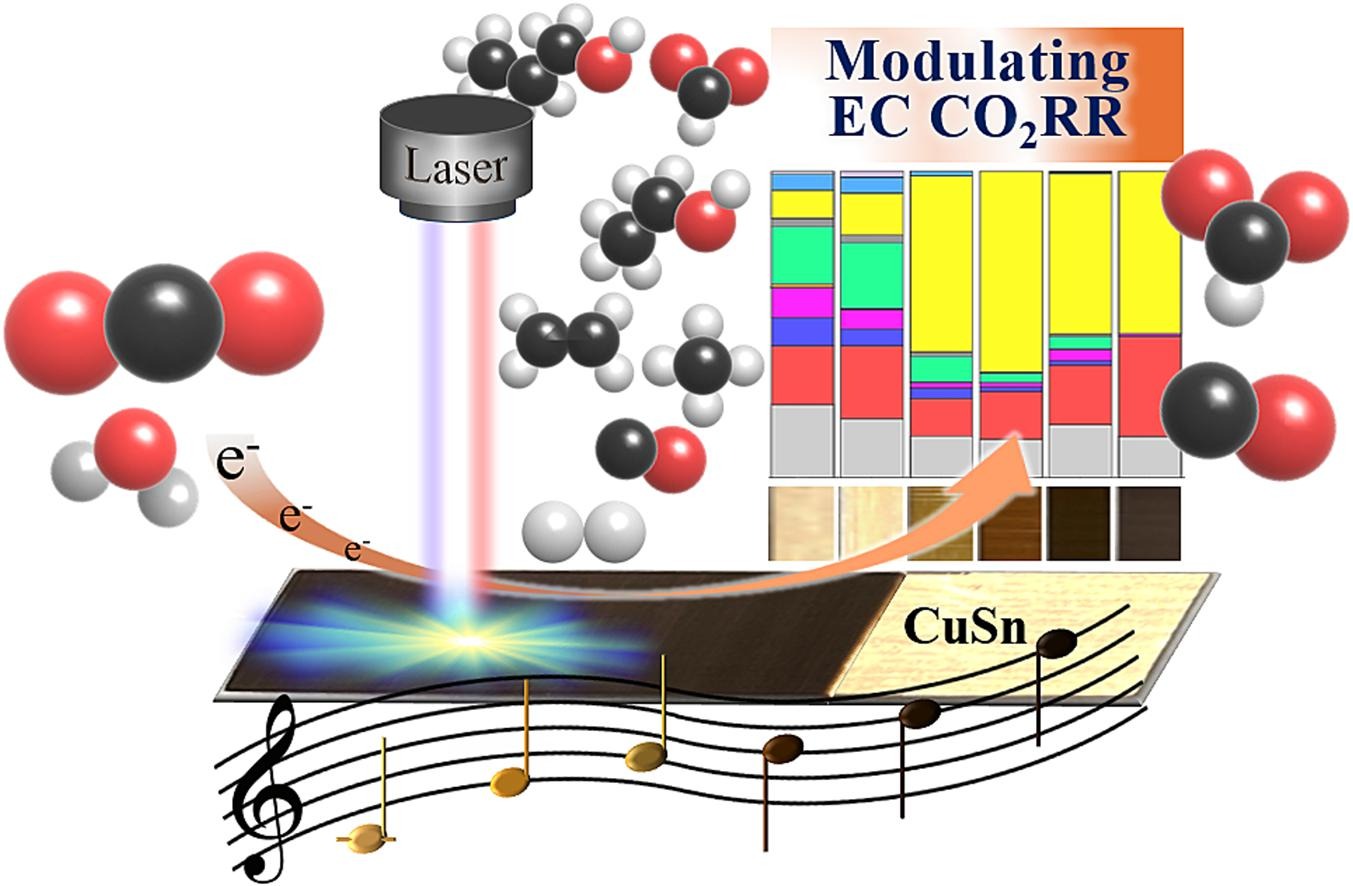
Tailoring electrochemical CO2 reduction selectivity over CuSn by modulating surface oxidation state with infrared laser treatment
Yunji Gwon; Seon Young Hwang; So Young Kim; Gaeun Yun; Sooyeon Bae; Choong Kyun Rhee; Youngku Sohn
Chem. Eng. J. 2024, 499, 156752. DOI ↗ 📊 인용 ↗
📄 Abstract ▾
Infrared laser treatment was used to precisely modify the surface structure of CuSn electrodes, effectively fine-tuning the selectivity of reduction products. With increasing laser power, the metallic Cu and Sn surfaces became more oxidized, and the Sn/Cu composition ratio varied with depth and further changed post-EC reaction. The diversity of reduction products, including C1 (CO, CH4, and formate), C2 (C2H4, ethanol, acetate, acetaldehyde, and glycolaldehyde), and C3 (propanol and isopropanol) compounds, shifted towards a more selective production of C1 (CO and formate) products. These tailored behaviors are attributed to variations in interfacial electronic structures, oxidation states, composition ratios, and the interaction between CO2 and the density of states (Cu, O, and Sn) near the Fermi level. The laser treatment method enables precise tuning of electrode surfaces, modulation of reduction products, and enhancement of selectivity. Moreover, this technique presents a novel approach for electrode design in the field of CO2 reduction, offering new avenues for optimizing catalytic performance.
- 225
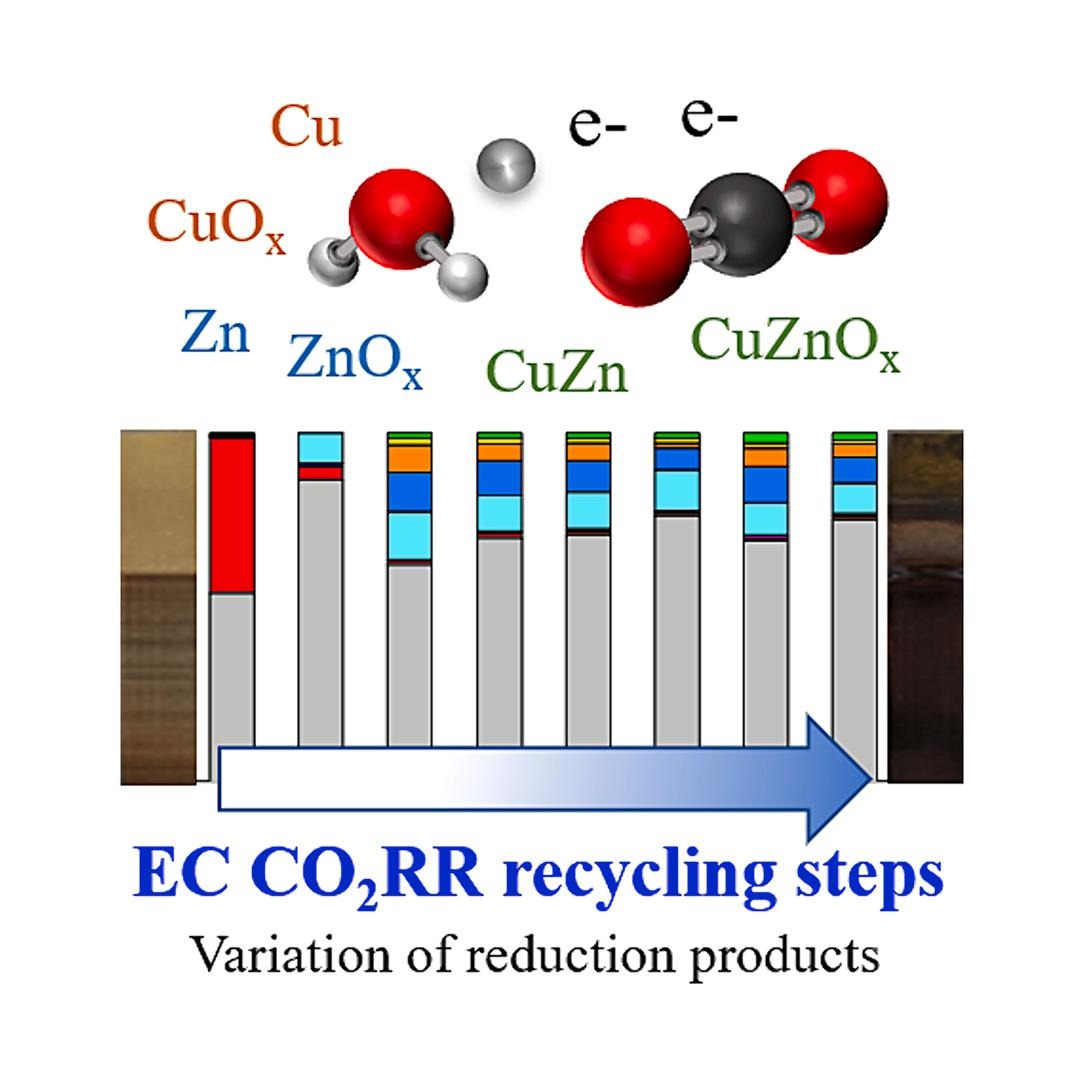
Dynamic recycling behavior of Cu/Zn-based electrodes in electrochemical CO2 reduction
Seon Young Hwang; Gaeun Yun; So Young Kim; Choong Kyun Rhee; Youngku Sohn
Appl. Surf. Sci. 2024, 670, 160628. DOI ↗ 📊 인용 ↗
📄 Abstract ▾
Recycling and electrode stability are crucial in electrochemical CO2 reduction (EC CO2R), especially due to changes in electrode behavior under negative reduction potentials. This study investigates the EC CO2R products over multiple recycling steps using Cu, Zn, and CuZn metals, along with their oxides. Our findings reveal significant variations in reduction products and their Faradaic efficiencies (FEs), dependent on the electrode type. Initially, Cu and its oxide, as well as the CuZn alloy and its oxide, displayed varying FEs, but their performance normalized in later recycles. Conversely, Zn and its oxide showed consistent differences throughout the recycles. Depth-profiling X-ray photoelectron spectroscopy was used to analyze the electrodes’ composition and oxidation states post-reaction. The analyses highlighted substantial changes in oxidation states and the distribution of metallic and oxidized states, particularly in the Zn/Cu ratio. These insights are essential for developing stable electrodes for energy and environmental applications.
- 224
Electrochemical Fischer-Tropsch chemistry across transition metals: A paradigm shift in sustainable liquid fuel production
Seon Young Hwang; Ju Young Maeng; Ilsun Yoon; Chang Woo Myung; Choong Kyun Rhee; Youngku Sohn
Nano Energy 2024, 128, 109881. DOI ↗ 📊 인용 ↗
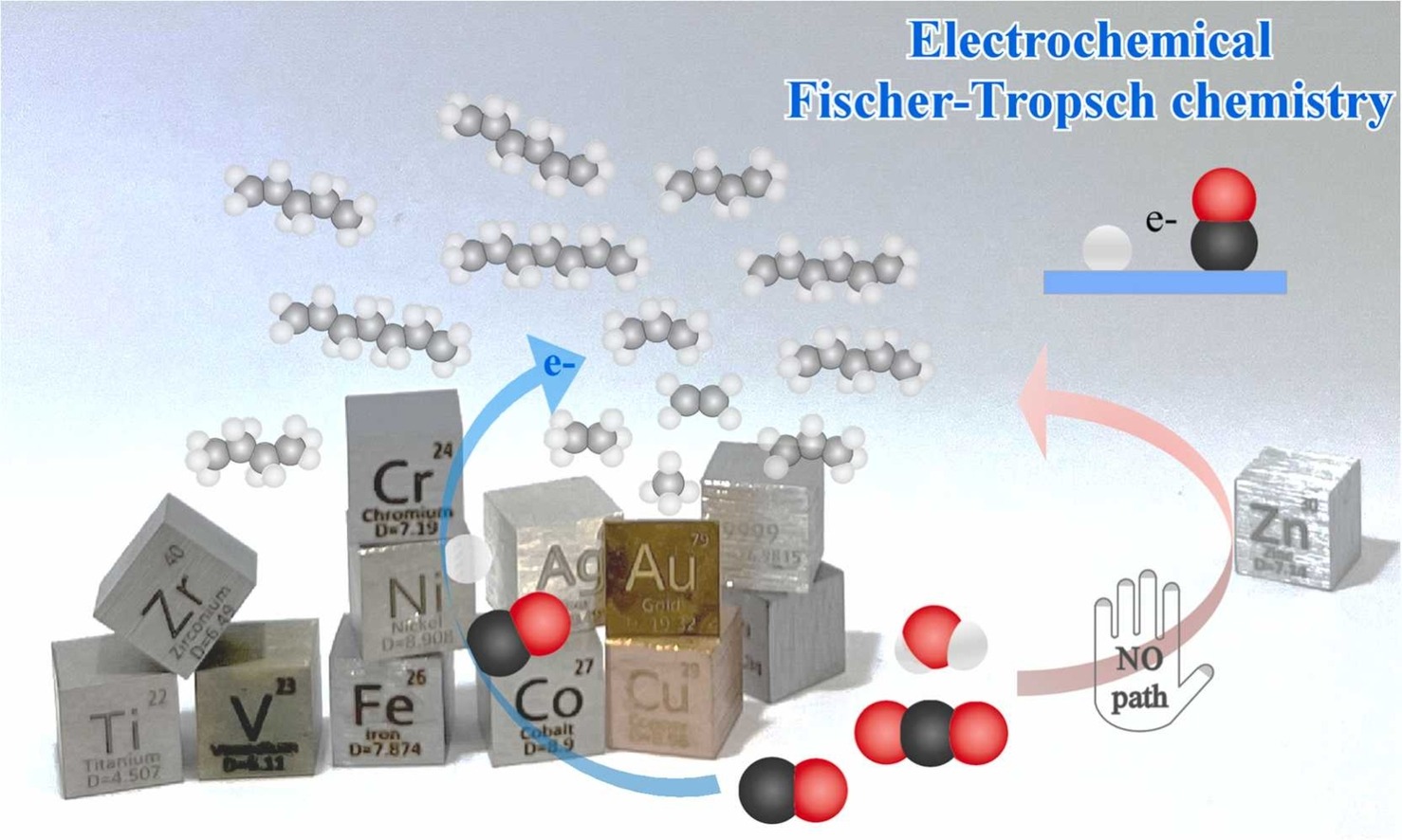
📄 Abstract ▾
This study explores electrochemical Fischer-Tropsch (EC F-T) synthesis as an eco-friendly approach for liquid fuel production, departing from conventional energy-intensive methods. While EC syngas generation is wellexplored, the synthesis of F-T chemistry using CO2 and CO feed gases remains relatively unexplored. Investigating various transition metals, including Ti, Zr, V, Mo, Fe, Co, Ni, Pd, Cu, Ag, Au, Zn, and Cd, we present compelling evidence of F-T chemistry, yielding long-chain hydrocarbons (CnH2n and CnH2n+2, n=2–7), with Zn being an exception. This breakthrough involves surface C-C coupling chain growth, resembling traditional F-T synthesis, incorporating *CO and *CHx insertion reactions. Density of states and energy states near the Fermi level were analyzed. The experimental framework enhances our understanding of C-C coupling mechanisms, offering insights into environmentally friendly EC methods for long-chain hydrocarbon production and advancing innovative strategies in sustainable F-T synthesis for future energy solutions.
- 223
Exploring Pd-Ag/Cu electrodes in electrochemical CO2 reduction: Insights into C1, C2, and C3+ chemistry
Gaeun Yun; Seon Young Hwang; So Young Kim; Yunji Gwon; Sooyeon Bae; Choong Kyun Rhee; Youngku Sohn
Appl. Surf. Sci. 2024, 665, 160279. DOI ↗ 📊 인용 ↗
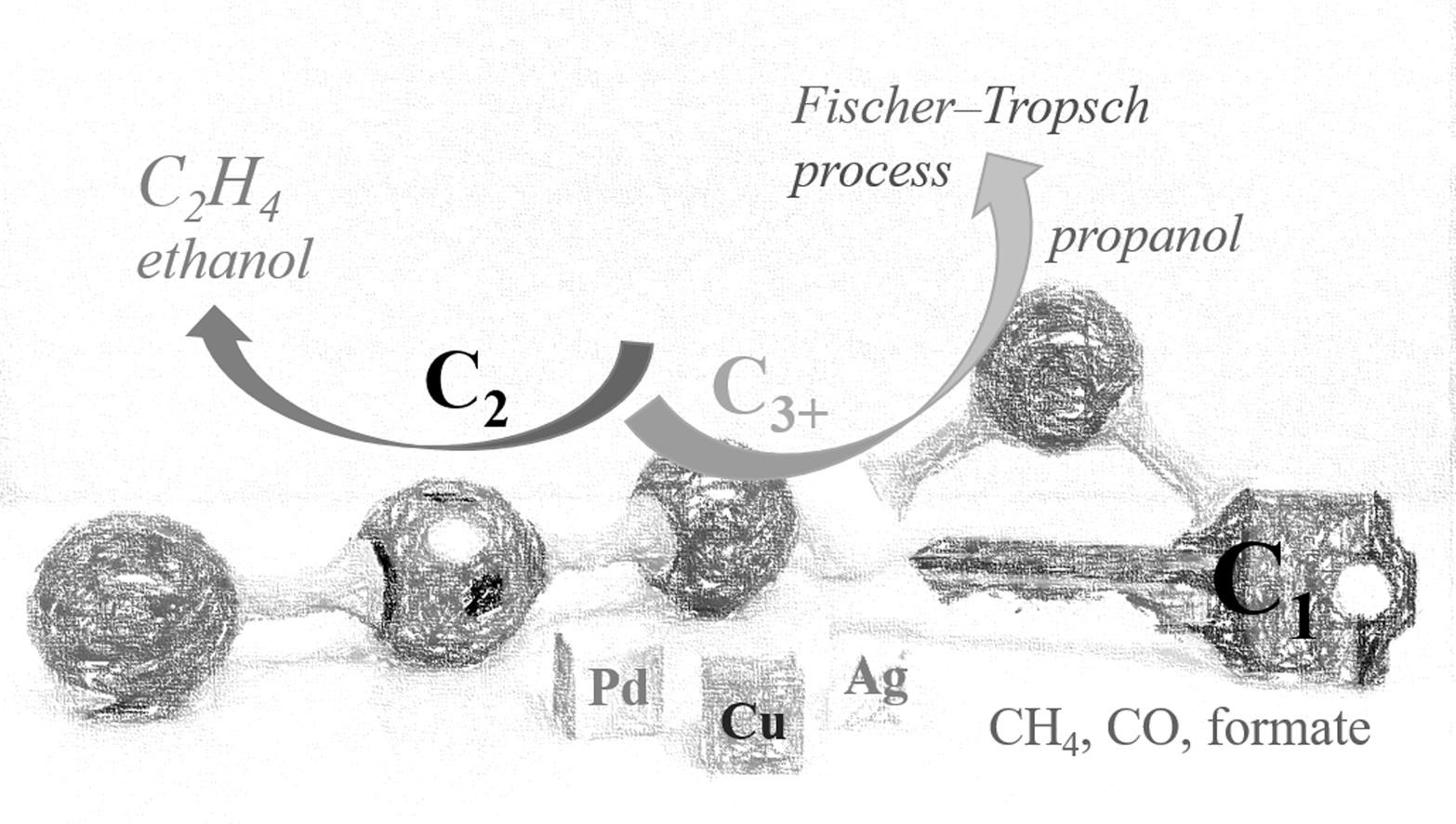
📄 Abstract ▾
Bimetallic alloy electrodes have been extensively investigated, with multiple metal elements emerging as candidates for developing practical electrodes in electrochemical (EC) CO2 reduction. Understanding C1 chemistry, C–C coupling leading to C2 and C3+ products, and electrode development is crucial for this purpose. In this study, Pd-Ag/Cu electrodes were prepared through the co-sputter deposition of Pd and Ag. These electrodes were tested in EC CO2 reduction to examine the products associated with C1, C2, and C3+, along with exploring their relationships over the Pd-Ag modification. In three different electrolytes—KHCO3, phosphate, and KOH—the presence of overlayer metals enhanced the production of CH4, C2H4, C3+ hydrocarbons, and propanol, while inhibiting ethanol and formate. These outcomes were found to be highly dependent on applied potential and recycling processes. The production mechanisms for CH4 and C2H4 appeared distinct from those of C2H6 and C3+ hydrocarbons, which were elucidated through Fischer-Tropsch (FT) chemistry and Anderson-Schulz-Flory equation analysis. EC CO reduction predominantly led to FT chemistry. These studies offer deeper insights into the interconnected C1, C2, and C3+ chemistry in EC CO2 reduction, contributing to enhanced understanding and potential advancements in alloy electrode development.
- 222
Exploring Direct Electrochemical Fischer–Tropsch Chemistry of C1–C7 Hydrocarbons via Perimeter Engineering of Au–SrTiO3 Catalyst
Ju Hyun Yang; Gi Beom Sim; So Jeong Park; Choong Kyun Rhee; Chang Woo Myung; Youngku Sohn
Adv. Energy Mater. 2024, 14, 2402062. DOI ↗ 📊 인용 ↗
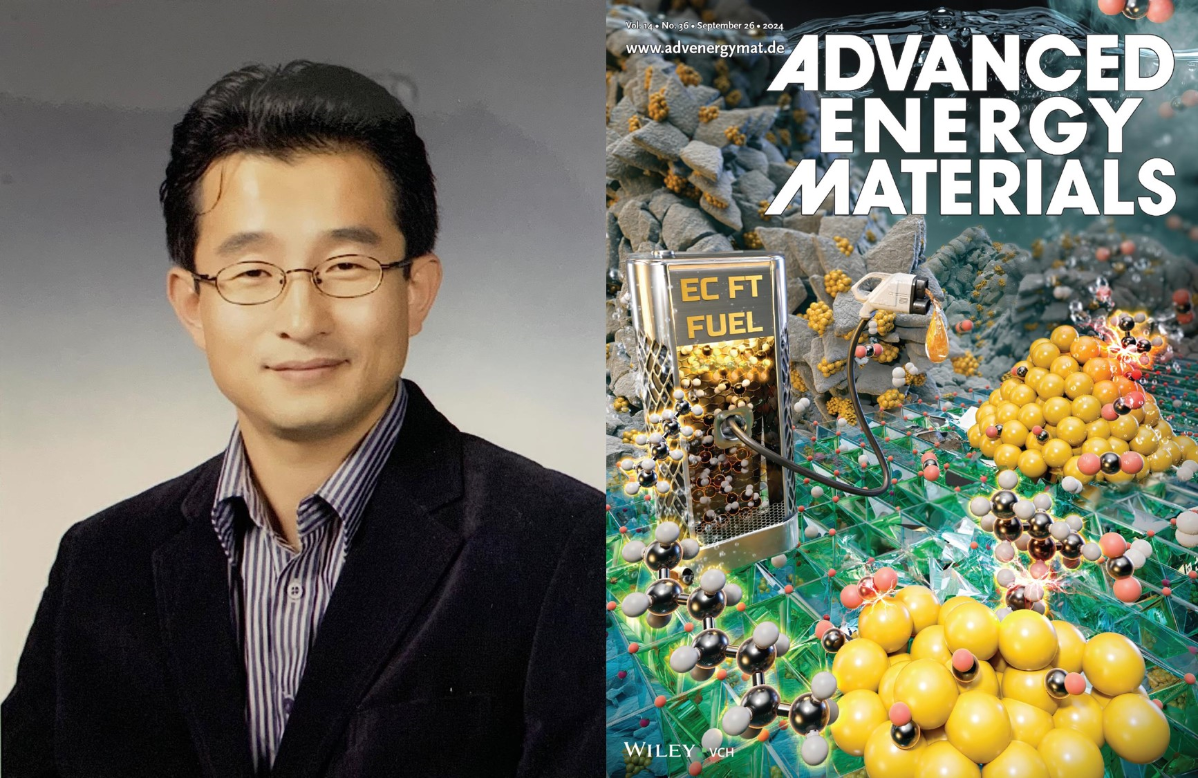
📄 Abstract ▾
Traditionally, Fischer–Tropsch (FT) synthesis is performed using thermal catalysts and syngas (CO and H 2 ) under high‐pressure and high‐temperature conditions. However, this study introduces an approach that relies on FT chemistry assisted by electrochemistry, referred to here as direct electrochemical (EC) FT chemistry, under ambient conditions. A series of CH 4 , C n H 2n , and C n H 2n+2 hydrocarbons (n = 1–7) is successfully produced over gold (Au) nanoparticle‐loaded perovskite strontium titanate (SrTiO 3 ) nanostructures grown on rutile TiO 2 supported on Ti. Au (1.0 nm)–SrTiO 3 shows the best interface formation, with the highest Faradaic efficiency for C 2+ hydrocarbons. This direct EC‐FT process proceeds via a C─C coupling chain growth reaction at the Au‐SrTiO 3 interface as evidenced by the hydrocarbon weight distribution analysis and density functional theory calculations. The robust combination of experimental and computational findings reveals that optimum conditions for producing surface hydrogenation and C─C coupling polymerization, initiated by surface * CO and * H are achieved by controlling the undercoordinated Au at the perimeter sites of supported Au nanoparticles and by ensuring a harmonized density of states between Au and SrTiO 3 . This EC‐FT process opens a promising avenue for the direct conversion of CO 2 and H 2 O into value‐added long‐chain hydrocarbons.
- 221
Electrochemical CO2 and CO reduction using Au/TiO2 model catalysts for syngas and Fischer-Tropsch chemistry
So Young Kim; Seon Young Hwang; Gaeun Yun; Yunji Gwon; Sooyeon Bae; Choong Kyun Rhee; Youngku Sohn
Int. J. Hydrogen Energy 2024, 80, 754-770. DOI ↗ 📊 인용 ↗
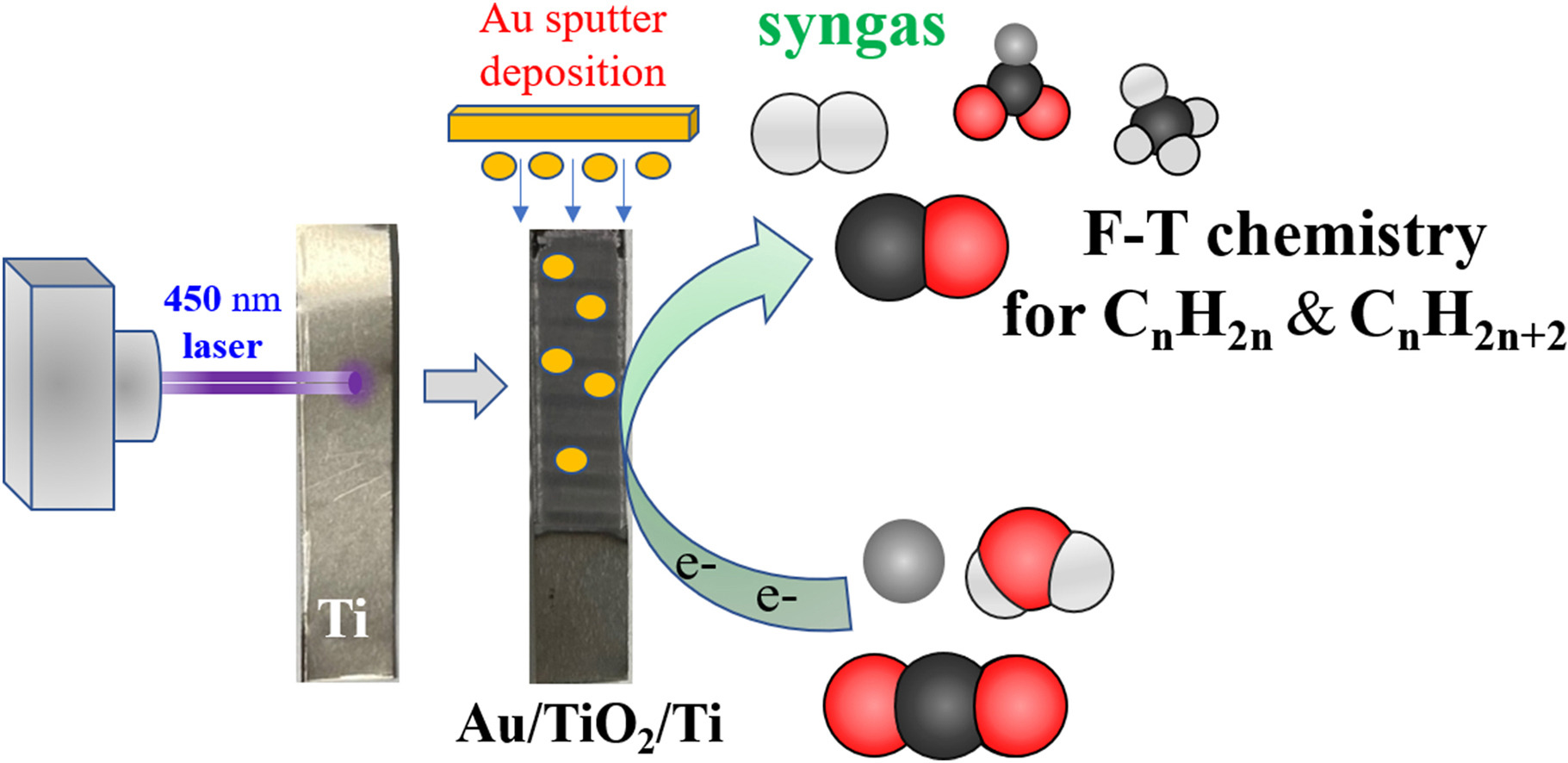
📄 Abstract ▾
The Au/TiO2 model catalyst has been extensively studied across various applications, yet its utilization in electrochemical CO2 and CO reduction (EC CO2R and COR) remains underexplored. In this study, we employed the Au/TiO2/Ti system, prepared via a two-step process: initially forming rutile TiO2 on metallic Ti through laser-assisted methods, followed by sputtering Au onto the surface. The experimental conditions included varying concentrations of KHCO3 and phosphate, applied potentials, Au overlayer thickness, and laser treatment parameters for the Ti-based catalysts. The major products detected were syngas (CO and H2), which varied with experimental settings, along with liquid formate and other hydrocarbons. The study also examined the role of surface species like *CO and H* in facilitating C–C coupling, drawing parallels to traditional Fischer-Tropsch (FT) synthesis. Spectroscopic analyses, including XPS and UPS, were utilized to investigate interfacial electronic structures, oxidation states, and overlayer stability post-electrochemical processing. This research contributes to a deeper understanding of EC CO2R and COR mechanisms on Au/Ti electrodes, providing valuable insights into optimizing electrode design and operational conditions for enhanced catalytic efficiency in syngas production and direct F-T chemistry.
- 220
Perovskite oxide nanoparticles: Dual role as supports for luminescent Eu(III) ions and photocatalysts for bisphenol degradation
So Young Kim; Ju Young Maeng; Seon Young Hwang; Hyojin Hwang; Soohoon Choi; Jeongkwon Kim; Mohammad Mansoob Khan; Youngku Sohn
Materials Chemistry and Physics 2024, 322, 129554. DOI ↗ 📊 인용 ↗
📄 Abstract ▾
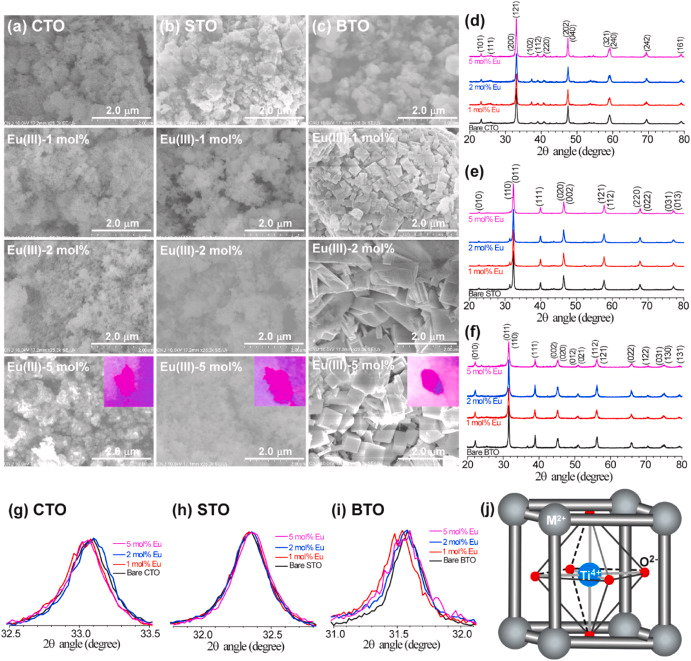
Perovskite oxides, such as CaTiO3, SrTiO3, and BaTiO3, have gained significant recognition for their dual role as luminescence supports and photocatalytic materials. In this study, we synthesized perovskite oxide nanoparticles (NPs) using the thermal calcination method and employed them as photocatalysts for the degradation of bisphenol S (BPS) and bisphenol AF (BPAF) under UVC irradiation. The as-synthesized photocatalysts were thoroughly examined for the photocatalytic degradation process and identified secondary products were identified using liquid chromatography in conjunction with high-resolution mass spectrometry. Our observations highlighted the relatively faster photocatalytic degradation of BPS compared to BPAF. Notably, among the perovskite oxide materials, SrTiO3 exhibited the highest catalytic activity for BPS degradation, while BaTiO3 outperformed in the case of BPAF degradation. Perovskite oxide NPs were also utilized as supports for doping with Eu3+ ions to create phosphor supports. Luminescent emissions from the Eu3+ ions, characterized by the 5D0 → 7FJ = 0-4 transitions, were observed and varied depending on the support material. Notably, Eu3+ doped in CaTiO3 nanoparticles exhibited the highest luminescence efficiency. These results highlight the dual functionality of perovskite oxide-based materials in phosphor applications and photocatalysis, offering valuable insights into their potential for both enhancing luminescence efficiency and treating bisphenols.
- 219
Electrocatalytic CO2 Reduction for Dynamic C1, C2, and C3+ Chemistry over Electrodeposited Zn on Cu and CuZn Mesh Supports
Sooyeon Bae; Seon Young Hwang; Gaeun Yun; Yunji Gwon; So Young Kim; Choong Kyun Rhee; Youngku Sohn
Energy & Fuels 2024, 38, 15497-15514. DOI ↗ 📊 인용 ↗
📄 Abstract ▾
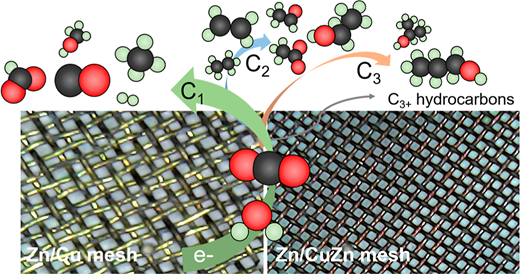
The electrodeposition of Cu and Zn onto bare Cu and CuZn mesh supports offers a straightforward method for fabricating novel electrodes for electrochemical CO 2 reduction (EC CO 2 R). This study evaluates the performance of these modified electrodes by assessing their Faradaic efficiency (FE) under various conditions including different electrolytes, concentrations, applied potentials, recycling effects, and Nafion treatment. The reduction products were categorized into several groups: C 1 gaseous products (CO and CH 4 ), C 2 gaseous products (C 2 H 4 and C 2 H 6 ), C 3,4 hydrocarbons, major C 1 /C 2 /C 3 liquid products (formate, ethanol, and propanol), and minor C 1 /C 2 /C 3 liquid products (methanol, acetate, acetaldehyde, and isopropanol). We evaluated their dynamic FE variations under various experimental conditions. The production of C 2+ hydrocarbons through EC CO 2 R was found to be analogous to conventional Fischer–Tropsch synthesis, highlighting the pivotal roles of *CO and *CH x intermediates. This study’s insights into the dynamic variations of C 1, C 2, and C 3+ product chemistry aid in the further development of Zn and Cu-based electrocatalysts.
- 218
Gaseous ozone inactivation of Bacillus atrophaeus spores on ceramic and porcelain tiles
Dokyung Kwon; Yongju Jo; Youngku Sohn; Jeongkwon Kim
Journal of Analytical Science and Technology 2024, 15, 43. DOI ↗ 📊 인용 ↗
📄 Abstract ▾
In this study, we investigated the ozone inactivation efficiency of Bacillus atrophaeus spores attached to various tile surfaces. Eight different types of tiles were employed, considering factors such as porosity (ceramic, porcelain), color (white, black), and glossiness (matte, glossy). Inactivation was performed by exposing the spore-loaded tiles to ozone gas for a specified duration. The inactivation efficiencies of ozone gas on different tile surfaces were compared by analyzing the colony-forming units of desorbed Bacillus atrophaeus cultured in a growth medium. Results revealed a reduction in colony counts with increasing ozone exposure time, indicating a proportional enhancement in inactivation effectiveness on ozone exposure time. After exposure to ozone gas for 30 min or longer, more than 90% of spores on each tile were inactivated. Regarding porosity, ceramic tiles exhibited slightly superior inactivation effects compared to porcelain tiles. Additionally, in terms of glossiness, glossy tiles demonstrated better inactivation effects than matte tiles. However, no significant differences were observed in inactivation effects based on the color of the tiles.
- 216
Electrochemical CO2/CO reduction on Ag/Cu electrodes and exploring minor Fischer–Tropsch reaction pathways
Gaeun Yun; Seon Young Hwang; Ju Young Maeng; Young Jun Kim; Choong Kyun Rhee; Youngku Sohn
Appl. Surf. Sci. 2024, 649, 159179. DOI ↗ 📊 인용 ↗
📄 Abstract ▾
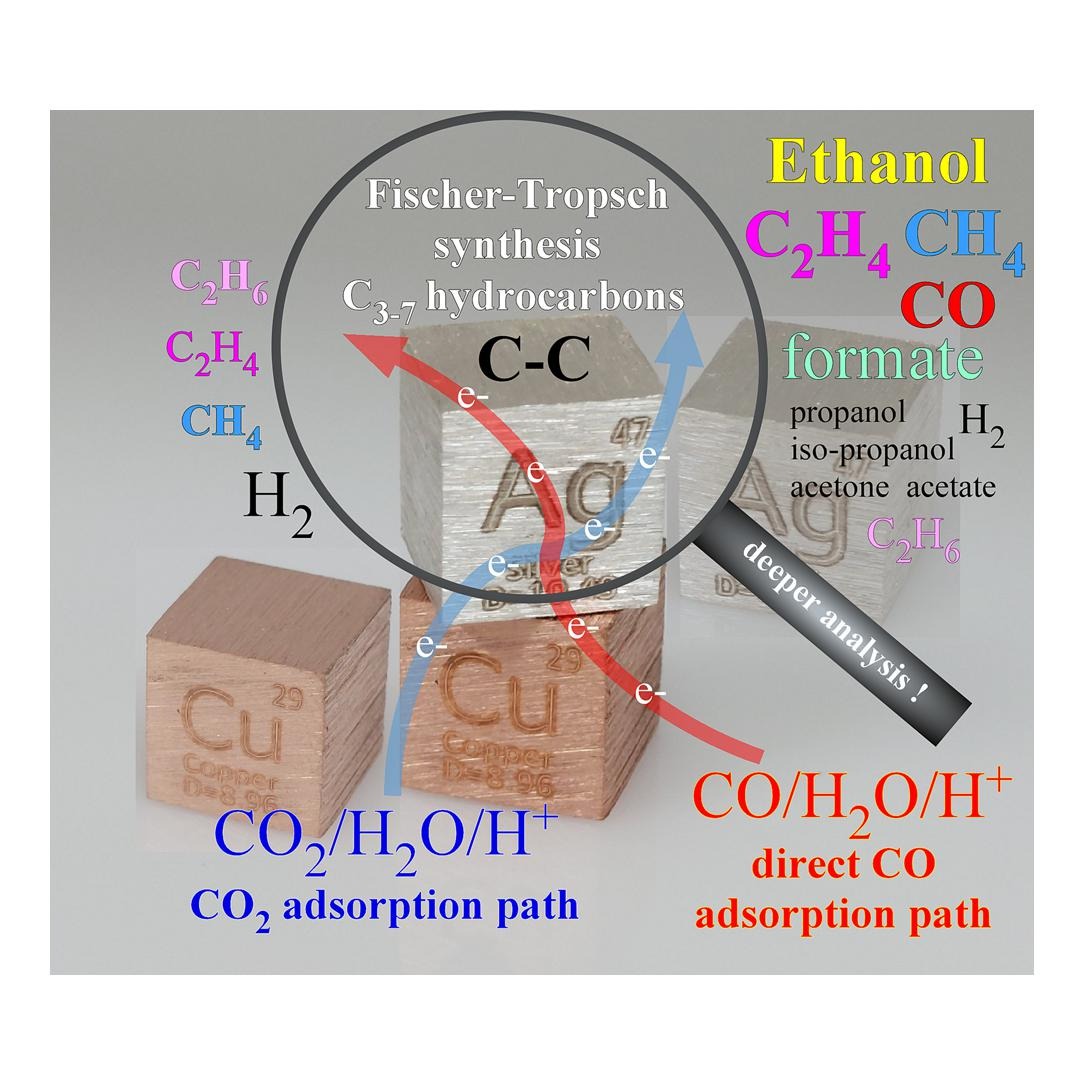
Ag/Cu hybrids have emerged as highly efficient catalysts for electrochemical (EC) CO2 reduction, yielding impressive C–C coupling products. We investigate Ag/Cu electrodes prepared via sputter deposition to explore their potential in EC CO2 and CO reductions. Our study highlights the significant impact of Ag thickness on resulting gas and liquid products, emphasizing the vital role of the Ag/Cu interface. Under CO2-saturated conditions, CO, CH4, and C2H4 are produced with high Faradaic efficiencies, while CO2-saturated KHCO3 generates formate, ethanol, propanol, isopropanol, acetate, and acetone. Experiments in phosphate conditions reveal new pathways for long-chain hydrocarbons (CnH2n and CnH2n+2, n = 2–7), typical products of Fischer-Tropsch chemistry. We also demonstrate CO hydrogenation to CH4 and C2-7 hydrocarbons, with alkane/alkene ratios influenced by electrolyte nature, concentration, applied potential, and Ag-modified Cu. These insights have implications for energy, environmental applications, and the future of EC CO2 and CO reduction through C–C coupling.
- 215
Cadmium sulfides: Electrochemical CO2 reduction and Fischer–Tropsch synthesis pathways
Ju Young Maeng; Seon Young Hwang; So Young Kim; Choong Kyun Rhee; Youngku Sohn
J. Environ. Chem. Eng. 2024, 12, 111645. DOI ↗ 📊 인용 ↗
📄 Abstract ▾
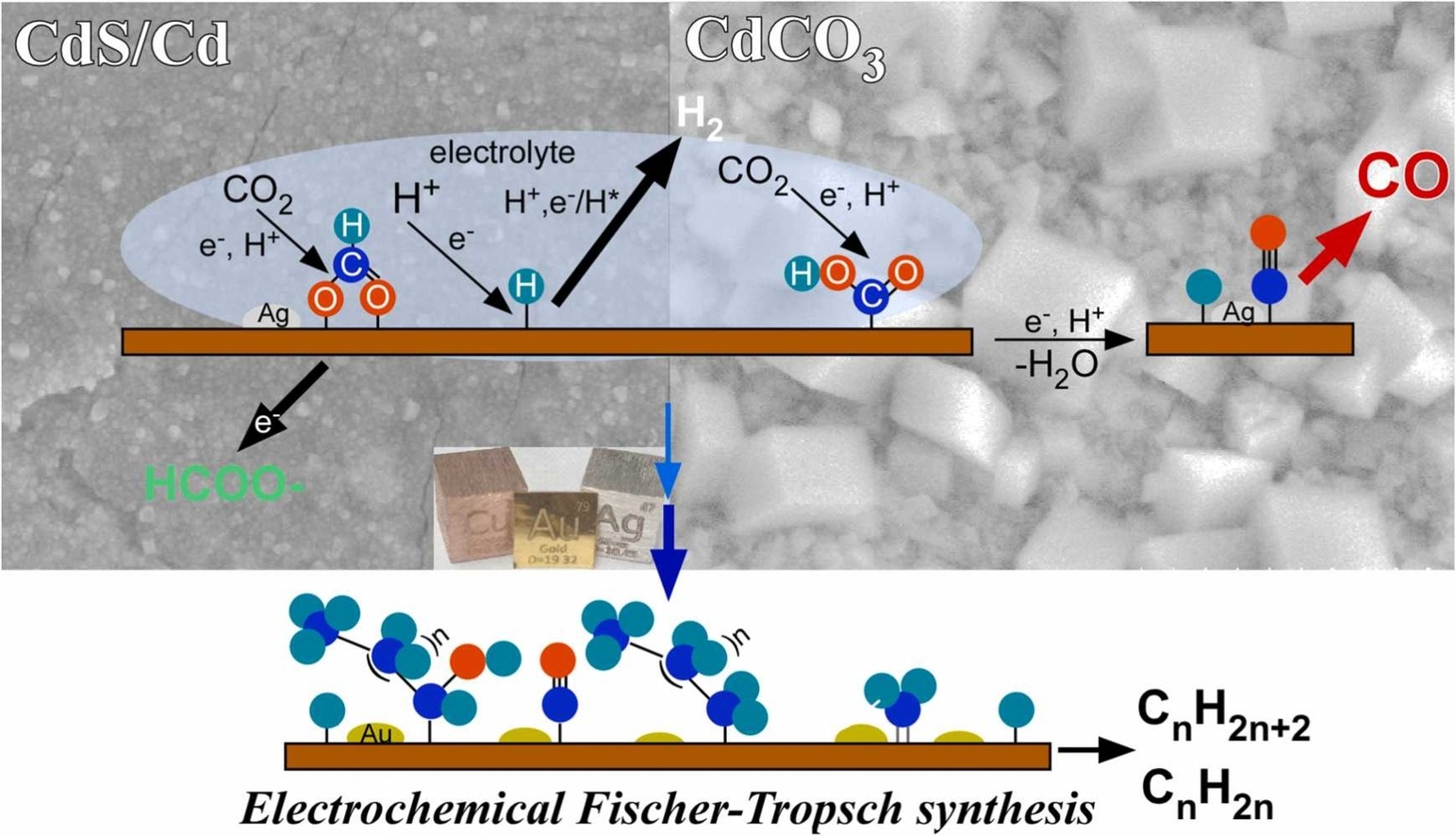
The development of electrocatalysts is a pivotal aspect of advancing electrochemical (EC) CO2 recycling. In this research, we incorporated cadmium sulfide (CdS) onto a cadmium (Cd) support and subsequently enhanced it with the deposition of Au, Ag, and Cu using sputter deposition techniques. These modified catalysts were then rigorously evaluated for their performance in EC CO2 reduction. The primary products were formate, CO, and H2. Notably, CdS/Cd demonstrated significantly superior performance in EC CO2 reduction compared to the unmodified Cd catalyst. Furthermore, the deposition of transition metals drastically suppressed H2 production, while Ag and Cu deposition enhanced CO production in NaHCO3 conditions. For Au/CdS/Cd in phosphate condition, CH4 and alkane-dominant C2–7 hydrocarbons were significantly produced and explained by the conventional Fischer-Tropsch synthesis paths. After EC CO2 reduction, CdS/Cd surface was observed to be recrystallized to CdCO3 with a morphology of cubes. Photocatalytic CO2 reduction over CdS/Cd produced CO, CH4, CH3OH, and alkene-dominant C2–6 hydrocarbons. Additionally, a zinc sulfide (ZnS) on Zn electrode was prepared and tested, which showed H2 and CO as main products, but no formate was observed.
- 214
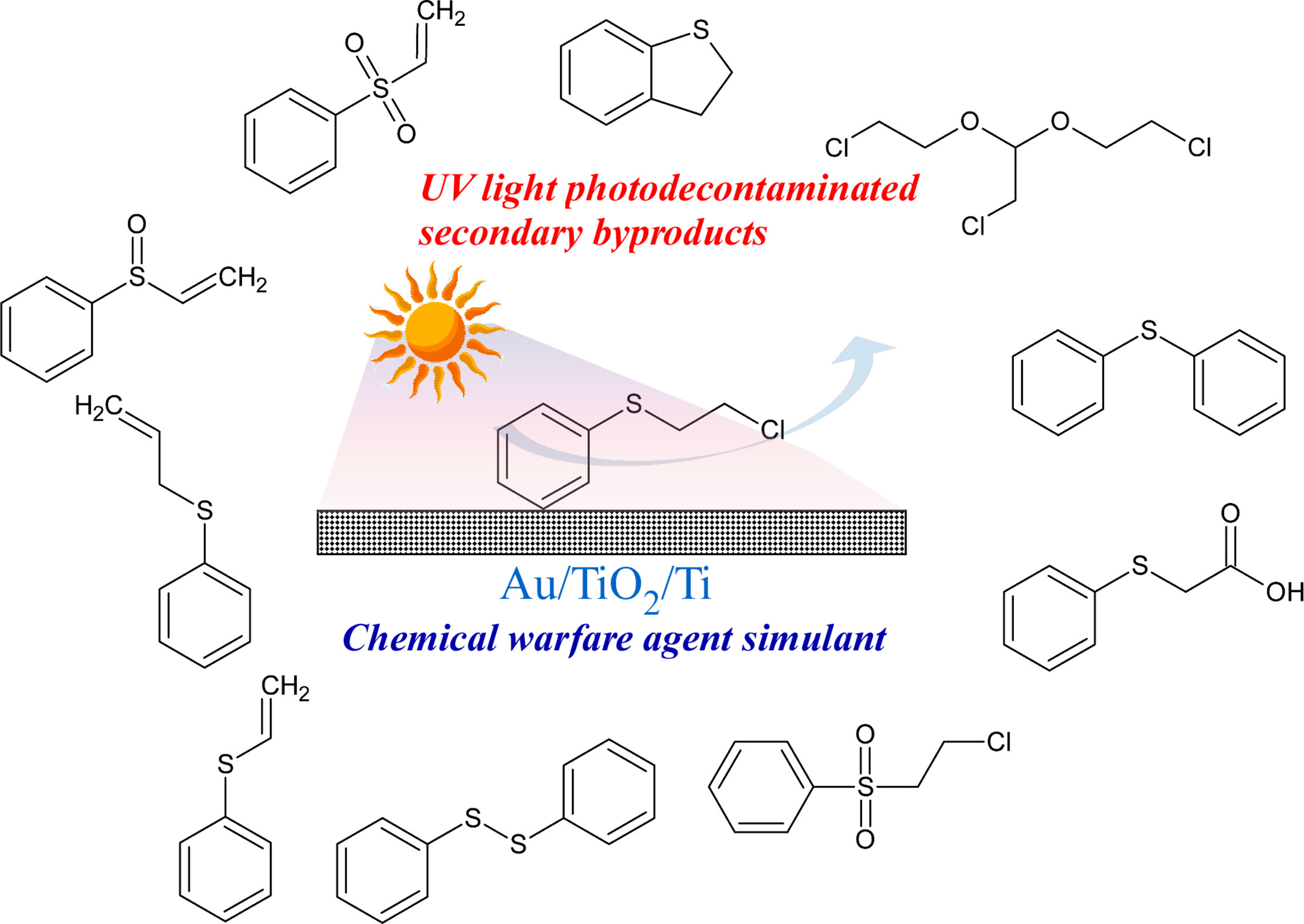
Ultraviolet Light‐Assisted Decontamination of Chemical Warfare Agent Simulant 2‐Chloroethyl Phenyl Sulfide on Metal‐Loaded TiO2/Ti Surfaces
Hye Ji. Jang; Gaeun Yun; Huieun Shim; Seon Young Hwang; So Young Kim; Jeongkwon Kim; Heesoo Jung; Mohammad Mansoob Khan; Youngku Sohn
ChemistryOpen 2024, 13, e202300246. DOI ↗ 📊 인용 ↗
📄 Abstract ▾
The application of ultraviolet (UV) light for the decontamination of chemical warfare agents (CWAs) has gained recognition as an effective method, especially for treating hard‐to‐reach areas where wet chemical methods are impractical. In this study, TiO 2 /Ti was employed as a model catalyst, which was contaminated with 2‐chloroethyl phenyl sulfide (CEPS), and subjected to photocatalytic decontamination using both UVB and UVC light. Additionally, photocatalytic decontamination efficiency by introducing Au, Pt, and Cu onto the TiO 2 /Ti surface was explored. During the photodecomposition process under UVC light, at least eight distinct secondary byproducts were identified. It was observed that the introduction of overlayer metals did not significantly enhance the photodecomposition under UVC light instead overlaid Au exhibited substantially improved activity under UVB light. Whereas, photodecomposition process under UVB light, only five secondary products were detected, including novel compounds with sulfoxide and sulfone functional groups. This novel study offers valuable insights into the generation of secondary products and sheds light on the roles of overlayer metals and photon wavelength in the photodecontamination process of CWA.
- 213
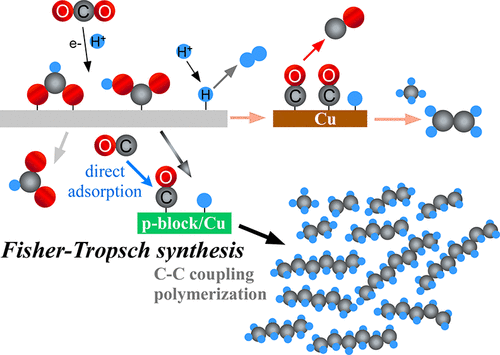
Opening Direct Electrochemical Fischer–Tropsch Synthesis Path by Interfacial Engineering of Cu Electrode with P-Block Elements
Ju Hyun Yang; Seon Young Hwang; Ju Young Maeng; Go Eun Park; Seo Young Yang; Choong Kyun Rhee; Youngku Sohn
ACS Applied Materials & Interfaces 2024, 16, 3368-3387. DOI ↗ 📊 인용 ↗
📄 Abstract ▾
The electrochemical synthesis of syngas (CO and H 2 ) has garnered considerable attention in the context of Fischer–Tropsch (FT) synthesis employing thermal catalysts. Nonetheless, the need for a novel, cost-effective technique persists. In this investigation, we introduce a direct electrochemical (dEC) approach for FT synthesis that functions under ambient conditions by utilizing a p-block element (Sn and In) overlaid Cu electrode. Surface *CO and H* species were obtained in an electrolytic medium through the CO 2 + H + + e – → HOOC ad → *CO (or direct CO adsorption) and H + + e – → H* reactions, respectively. We have observed C 2–7 long-chain hydrocarbons with a C n H 2 n +2 /C n H 2 n ratio of 1–3, and this observation can be explained through the process of C–C coupling chain growth of the conventional FT synthesis, based on the linearity of the Anderson-Schulz–Flory equation plots. Thick Sn and In overlayers resulted in the dominant production of formate, while CO and C 2 H 4 production were found to be proportional and inversely correlated to H 2, C 2 H 6, and C 3–7 hydrocarbon production. The EC CO 2 /CO reduction used in dEC FT synthesis offers valuable insights into the mechanism of C 2+ production and holds promise as an eco-friendly approach to producing long-chain hydrocarbons for energy and environmental purposes.
- 212
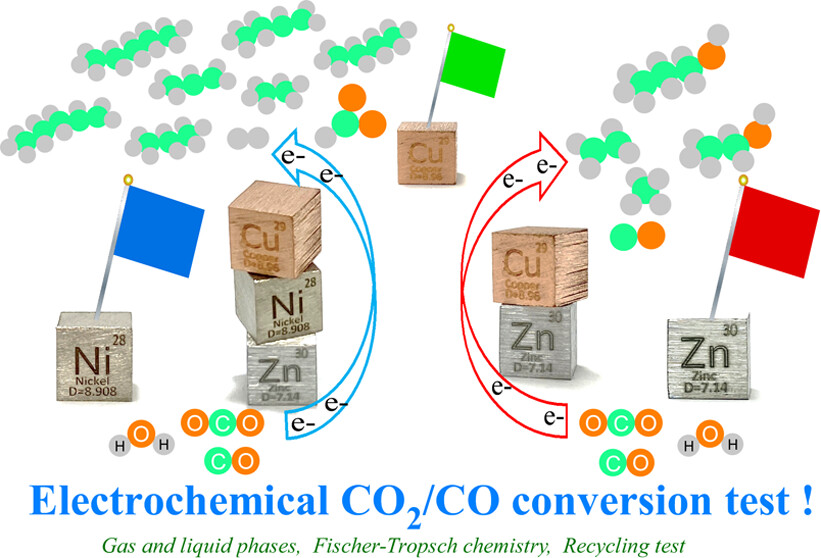
CuNiZn vs CuZn Electrodes: Electrochemical CO2 Reduction, Role of Metal Elements, and Insights for C–C Coupling Chemistry
Yunji Gwon; Seon Young Hwang; Go Eun Park; Sooyeon Bae; Gaeun Yun; Choong Kyun Rhee; Youngku Sohn
ACS Appl. Energy Mater. 2024, 7, 614-628. DOI ↗ 📊 인용 ↗
📄 Abstract ▾
Exploring bi- and trimetallic catalysts in electrochemical CO 2 reduction (EC CO 2 R) has been a focal point for discovering reduction products. This study investigates the distinct roles of metal elements in the CO 2 R using CuNiZn and CuZn electrodes. Bimetallic CuZn exhibits superior electrochemical activity, yielding substantial amounts of CO, CH 4, C 2 H 4, and various liquid products, including formate, ethanol, acetate, propanol, and isopropanol. The study on trimetallic CuNiZn suggests potential connections to Fischer–Tropsch (FT) synthesis, indicating their capability to produce long-chain hydrocarbons (C n H 2 n and C n H 2 n +2, n = 2–7) from CO 2 . EC CO reduction validated the FT process over the bi- and trimetallic catalysts. The discussion explores mechanisms for the formation of CO, CH 4, and C–C coupled C 2+ products, considering potential- and concentration-dependent Faradaic efficiencies (FEs). Recycling tests emphasize the influence of metal composition on FEs. Surface analyses reveal oxidation states and compositional changes, while the dissolution of metals during electrochemistry highlights dynamic surface characteristics. This work provides insights into the metal composition of bi- and trimetallic catalysts, surface states, and electrochemical conditions, advancing our understanding of these electrodes and their role in CO 2 recycling through electrochemistry.
- 211
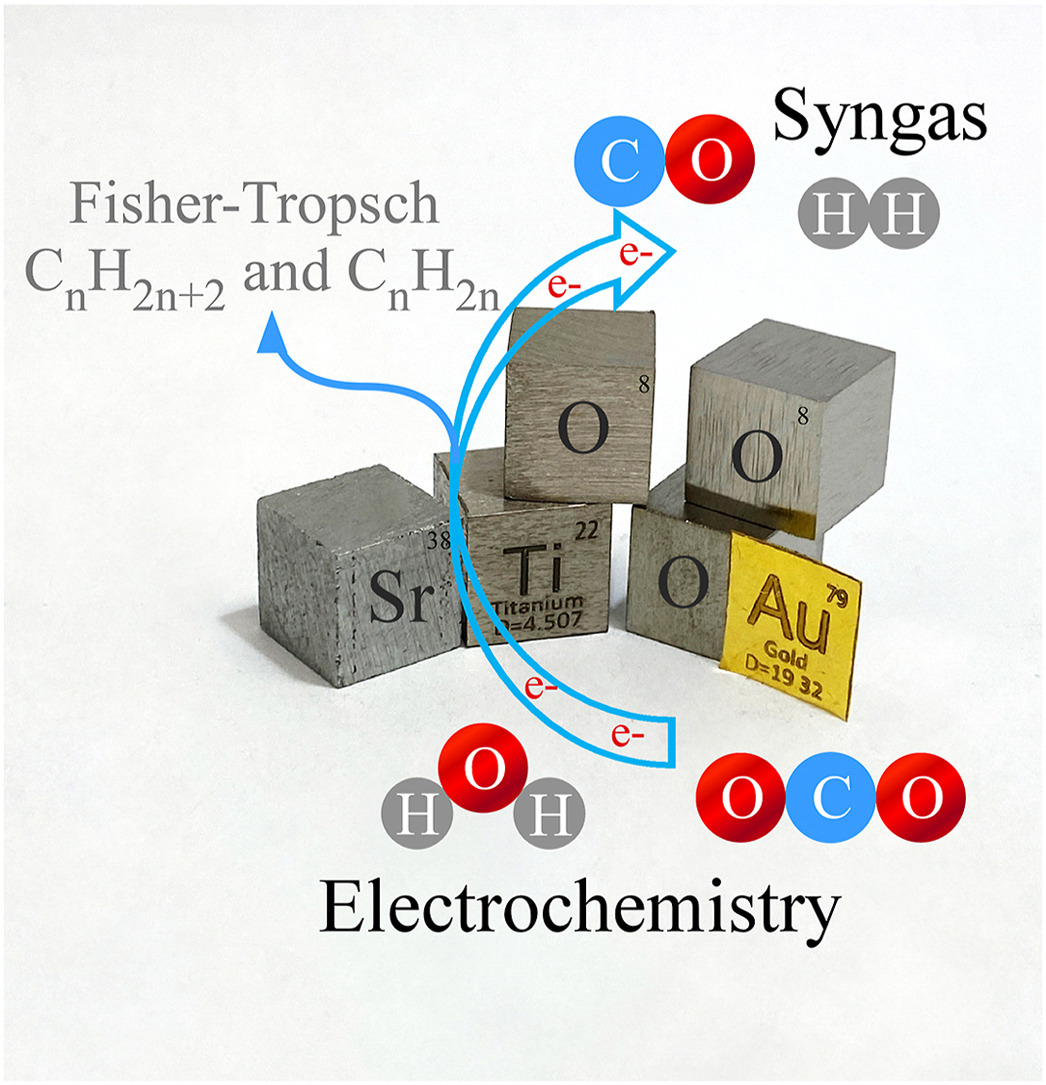
Electrochemical syngas production over Au/SrTiO3 and Fischer–Tropsch synthesis chemistry for long-chain hydrocarbons
So Young Kim; Seon Young Hwang; Ju Young Maeng; Choong Kyun Rhee; Youngku Sohn
Int. J. Hydrogen Energy 2024, 51, 571-587. DOI ↗ 📊 인용 ↗
📄 Abstract ▾
Syngas (a mixture of CO and H2) has been utilized in industrial settings for the production of liquid fuels through Fischer-Tropsch (F-T) synthesis. The conventional methods of producing syngas involve energy-intensive processes utilizing coal, natural gas, or biomass. However, in order to promote more environmentally friendly practices, electrochemistry has emerged as an alternative approach. In this study, we demonstrate that syngas can be efficiently produced through electrochemical (EC) CO2 conversion using Au-loaded perovskite strontium titanate (SrTiO3) as a catalyst. By manipulating various parameters such as overlayer Au thickness, applied potential, electrolyte type, and concentration, we can easily control the ratio of CO to H2. Moreover, our findings reveal that electrochemistry can directly initiate the minor channel of the F-T synthesis process. We also observe the occurrence of the EC F-T process in CO-saturated electrolyte, where CO molecules directly adsorb and interact with surface H to generate hydrocarbons. The analysis of the Anderson-Schulz-Flory equation demonstrates a strong linear relationship, confirming that the EC F-T synthesis follows the conventional F-T synthesis mechanism. This novel demonstration not only offers valuable insights into the development of EC syngas production but also enhances our understanding of the mechanism behind the formation of C2+ hydrocarbon products.
2023
- 210
Electrochemical reduction of CO2 and CO using interface-engineered Au/Ti electrodes for long-chain hydrocarbon production
Young Jun Kim; Ju Young Maeng; Seon Young Hwang; Choong Kyun Rhee; Youngku Sohn
Appl. Catal. B 2023, 338, 123017. DOI ↗ 📊 인용 ↗
📄 Abstract ▾
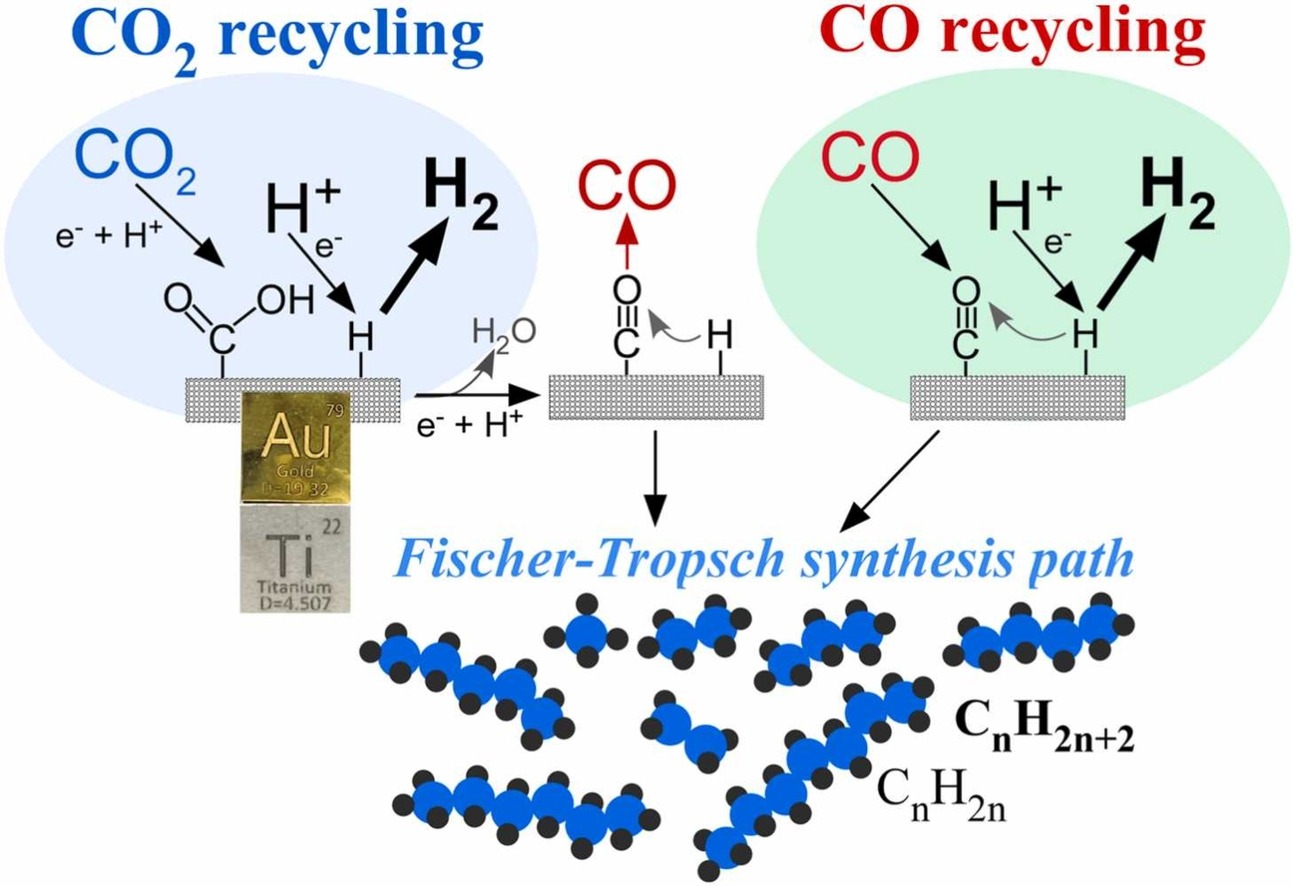
This study demonstrates the electrochemical reduction of CO2 and CO using interface-engineered Au/Ti electrodes. Direct adsorption of CO and indirect processes in CO2 conditions were proposed to form surface CO. Surface H was formed from H+/H2O. Mimicking Fischer-Tropsch synthesis between surface CO and H resulted in the production of CH4 and hydrocarbons (CnH2n and CnH2n+2, n = 2–7). Faradaic efficiency of CO increased with increasing Au coverage and reached 38%. In CO2-saturated KHCO3, long-chain hydrocarbon production was observed on Au/Ti electrodes with low Au coverage. In CO2 and CO-saturated phosphate electrolytes, higher Au coverage resulted in higher production of long-chain hydrocarbons. The ratio of alkanes to alkenes increased with increasing Au coverage but decreased with applied potential. The study provides insights into interface engineering, electrochemical long-chain hydrocarbon production, and C-C coupling mechanisms.
- 209
Unlocking long-chain hydrocarbons (C2–7) via direct electrochemical CO2 and CO reduction on balanced Au/Ni electrodes
Young Jun Kim; Ju Young Maeng; Seon Young Hwang; Ju Hyun Yang; Ilsun Yoon; Chang Woo Myung; Choong Kyun Rhee; Youngku Sohn
Nano Energy 2023, 118, 108995. DOI ↗ 📊 인용 ↗
📄 Abstract ▾
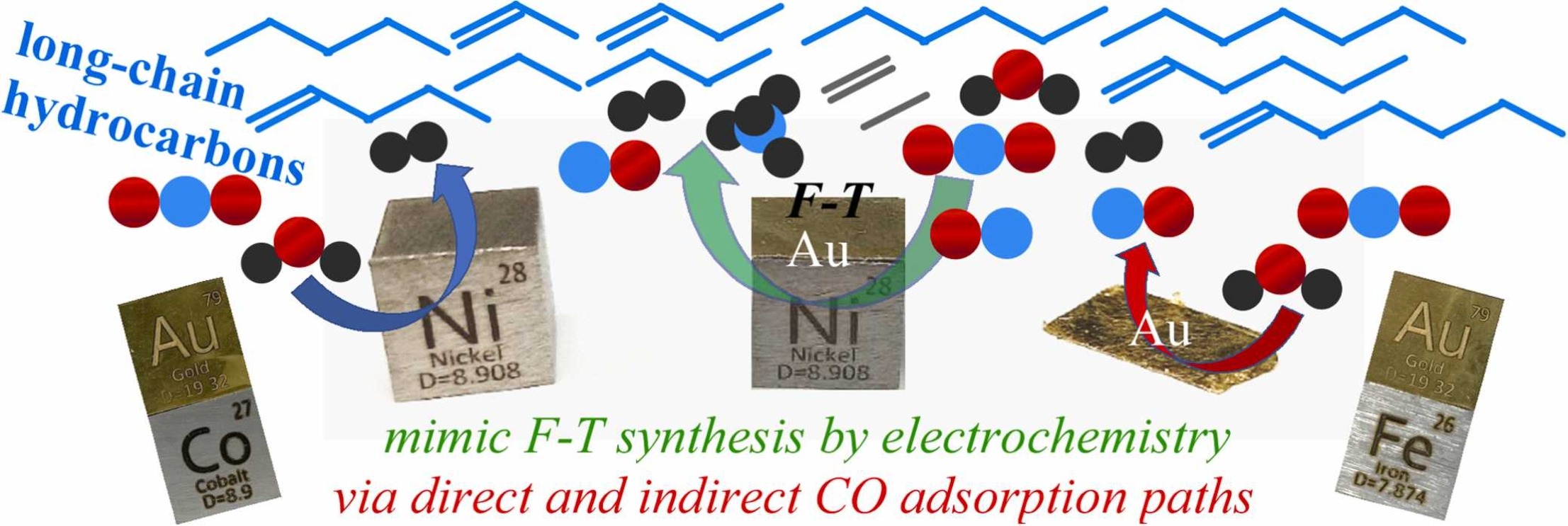
Electrochemical (EC) CO2 reduction method has been widely used as a green energy and environmental solution strategy. The use of Au/Ni electrodes was introduced to showcase a new concept of the direct EC Fischer-Tropsch (dEC F-T) synthesis pathway. This pathway involves the combination of electrodes that produce H2 and CO (syngas) during electrochemical CO2 reduction. The introduction of Au on the Ni electrode surface led to an increase in CO production and a gradual decrease in H2 production. When the interface was balanced, a pronounced F-T synthesis pathway was observed, resulting in the production of a series of hydrocarbons (CnH2n and CnH2n+2, n = 2–7). The dEC F-T synthesis was evaluated under different conditions, including electrolytes, concentrations, metal supports (Co and Fe), various overlayer metals (Ag and Cu), light irradiation, and isotope effects. The process was elucidated through surface C-C coupling polymerization reactions based on Anderson-Schulz-Flory weight distribution analysis. Additionally, the F-T synthesis was demonstrated through EC CO reduction via direct CO and H adsorption. The dEC F-T path provides a novel strategy for energy and environment by producing high-value long-chain hydrocarbons.
- 208
Ag–Sb/Cu by Galvanic Replacement: Electrochemical CO2 Reduction and Unveiling C3+ Hydrocarbon Pathways
Sooyeon Bae; Seon Young Hwang; Gaeun Yun; Yunji Gwon; So Young Kim; Choong Kyun Rhee; Youngku Sohn
J. Phys. Chem. C 2023, 127, 23601-23617. DOI ↗ 📊 인용 ↗
📄 Abstract ▾
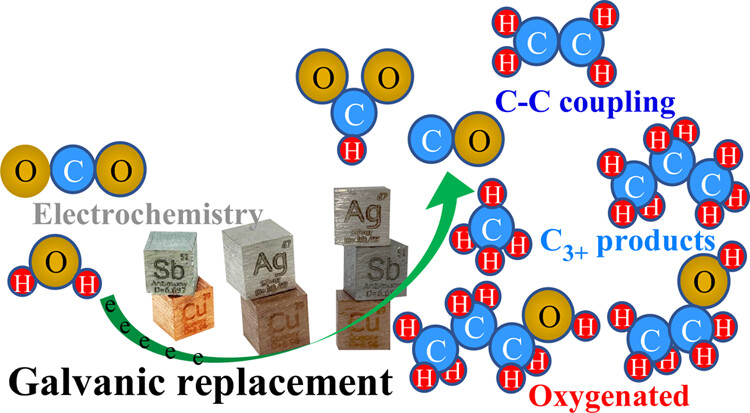
Ag/Cu electrodes have garnered substantial attention as extensively explored bimetallic catalysts in electrochemical (EC) CO 2 reduction, demonstrating efficient C–C coupled production. In this study, we broaden the horizon by introducing antimony (Sb) through galvanic replacement, resulting in the formation of Ag–Sb–Cu mesh electrodes. We systematically investigate the synergistic effects of this ternary system on EC CO 2 reduction, delving into various experimental conditions such as applied potentials, electrolytes, concentrations, and diverse modifications to the electrodes. The primary reduction products identified include CO, formate, CH 4, C 2 H 4, ethanol, and propanol. The incorporation of Sb and Ag on Cu significantly enhances the yields of the C 1, C 2, and C 3 products. Additionally, we consistently identify and comprehend the reaction pathway leading to alkene-dominant C 3+ hydrocarbons through the conventional Fischer–Tropsch synthesis mechanism. These findings illuminate the intricate interplay among the three metals, offering valuable insights for optimizing the catalytic performance in enhanced CO 2 reduction.
- 207
Construction of type-II SnO2/InGaN nanorods heterostructure toward high photoelectrochemical performance
C. Thota; S. Ramu; C. Gangadhara; G. Murali; J. H. Yang; D. P. Upare; N.-H. Bak; Y. K. Kshetri; Y. Sohn; M. Reddeppa; M.-D. Kim
Appl. Phys. Lett. 2023, 123, 203903. DOI ↗ 📊 인용 ↗
📄 Abstract ▾
Exploring highly efficient and stable photoelectrode material is essential for high-performance photoelectrochemical (PEC) water-splitting applications. III-nitride semiconductors, particularly InGaN, have been considered as prospective materials for PEC hydrogen evolution. However, their surface states and other recombination centers, which enhance the charge recombination kinetics, are bottlenecks for the high PEC performance. In this work, we report the construction of type-II heterojunction by sputter depositing SnO2 on InGaN nanorods (NRs) to promote interfacial carrier transport and thereby enhance PEC performance. The energy band offsets at the SnO2/InGaN NRs interface were analyzed by x-ray photoelectron spectroscopy. Type-II heterojunction was defined at the SnO2/InGaN NRs interface with a valence band offset of 0.77 eV and conduction band offset of 0.25 eV. The photocurrent density of the SnO2/InGaN NRs photoanode is 7.09 mA/cm2 at 0.77 V vs Ag/AgCl electrode with 80 nm SnO2 thickness, which is ∼14-fold higher than that of the pristine InGaN NRs photoanode. Furthermore, the applied bias photo-to-current efficiency of SnO2/InGaN NRs photoanode records 3.36% at 0.77 V vs Ag/AgCl electrode. The enhanced PEC performance is mainly ascribed to the formation of high-quality SnO2/InGaN NRs heterojunction that enforces the directional charge transfer and substantially boosts the separation of photogenerated electron–hole pairs at the interface of InGaN NRs and SnO2. Overall, this work sheds light on the promising strategy to design and fabricate III-nitride nanostructures-based photoelectrodes for feasible PEC water-splitting applications.
- 206
New reaction path for long-chain hydrocarbons by electrochemical CO2 and CO reduction over Au/stainless steel
Seon Young Hwang; Ju Young Maeng; Go Eun Park; Seo Young Yang; So Young Kim; Choong Kyun Rhee; Youngku Sohn
Chemosphere 2023, 338, 139616. DOI ↗ 📊 인용 ↗
📄 Abstract ▾
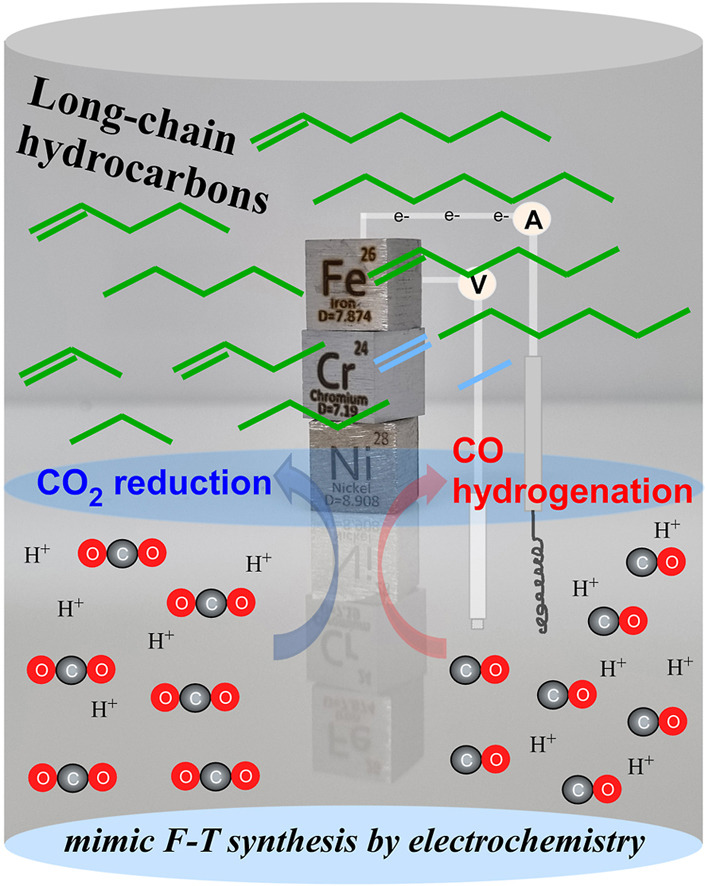
The Fischer-Tropsch (F-T) synthesis is recognized for its ability to produce long-chain hydrocarbons. In this study, we aimed to replicate F-T synthesis using electrochemical CO2 reduction and CO reduction reactions on a stainless steel (SS) support with a gold (Au) overlayer. Under CO2-saturated conditions, the presence of Au on the SS surface led to the formation of CH4 and a range of hydrocarbons (CnH2n and CnH2n+2, n = 2-7), while bare SS primarily produced hydrogen. The Au(10 nm)/SS exhibited the highest hydrocarbon production in CO2-saturated phosphate, indicating a synergistic effect at the Au-SS interface. In CO-saturated conditions, bare SS also produced long-chain hydrocarbons, but increasing Au thickness resulted in decreased production due to poor CO adsorption. Hydrocarbons were formed through both direct and indirect CO adsorption pathways. Anderson-Schulz-Flory analysis confirmed surface CO hydrogenation and C-C coupling polymerization following conventional F-T synthesis. The C2 hydrocarbons exhibited distinct behavior compared to C3-5 hydrocarbons, suggesting different reaction pathways. Despite low reduction product levels, our EC method successfully replicated F-T synthesis using the Au/SS electrode, providing valuable insights into C-C coupling mechanisms and electrochemical production of long-chain hydrocarbons. Depth-profiling X-ray photoelectron spectroscopy revealed significant changes in surface elemental compositions before and after EC reduction.
- 205
Electrochemical CO2 reduction on tin and its alloys: Insights from depth-profiling X-ray photoelectron spectroscopy
Seo Young Yang; Ju Young Maeng; Seon Young Hwang; Go Eun Park; Choong Kyun Rhee; Youngku Sohn
J. Alloys Compd. 2023, 960, 170903. DOI ↗ 📊 인용 ↗
📄 Abstract ▾
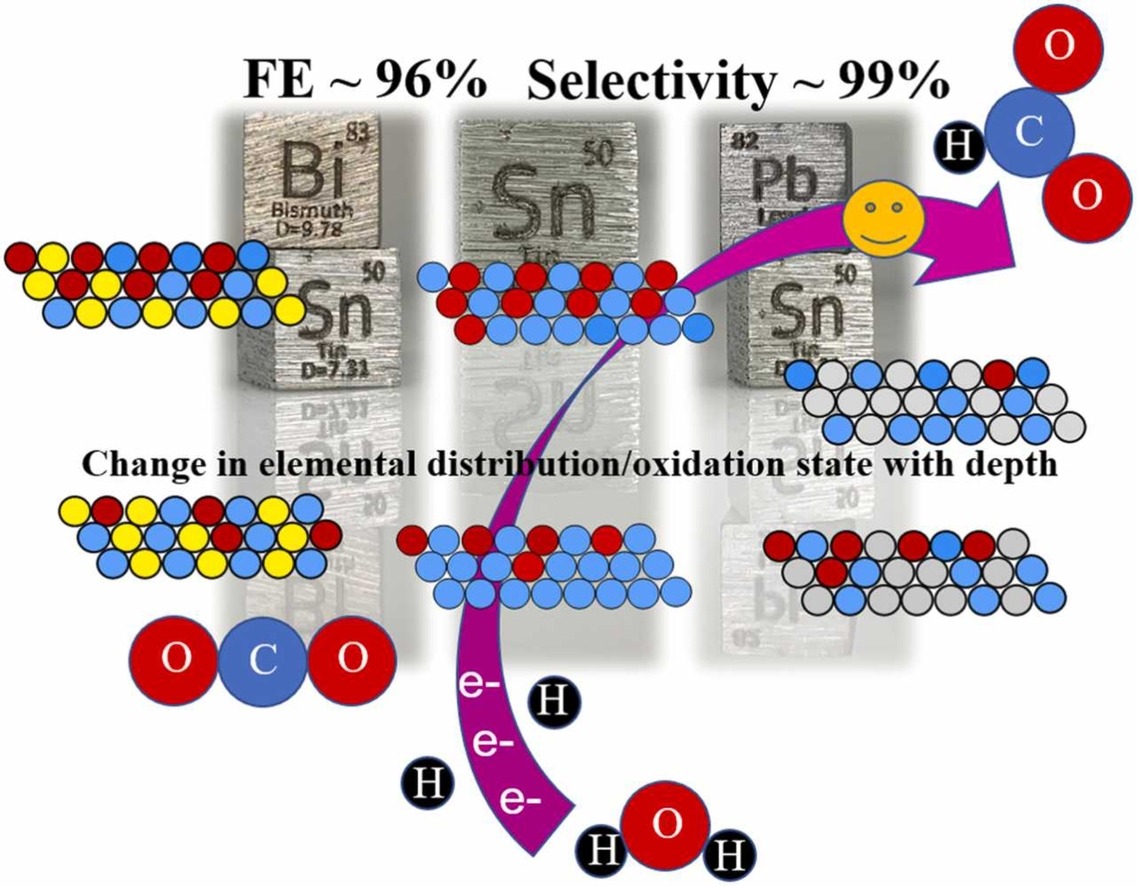
Tin (Sn) and its alloys are widely used as electrodes for electrochemical CO2 reduction (EC CO2R) due to their unique p-block elemental character. In this study, we investigated the performance of Sn and Sn alloys (SnBi and SnPb) electrodes for EC CO2R under various conditions. The elemental distributions of the electrodes were examined using depth-profiling X-ray photoelectron spectroscopy (XPS) before and after EC CO2R. Our results demonstrate that Sn and its alloys can efficiently produce formate/formic acid with high Faradaic efficiency and selectivity. The Faradaic efficiency was found to be 96%, 93%, and 92% for Sn, SnBi, and SnPb electrodes, respectively, with a significant increase in formate selectivity to 99.7%. The depth profiling XPS analysis revealed substantial changes in elemental distribution, oxidation state, and oxide layer thickness after EC CO2R. Additionally, the elemental composition was found to vary with depth. The newly revealed surface elemental composition with depth and the EC CO2R performance provide valuable insights into the interfacial electronic structure of the electrodes before and after EC CO2R. These findings are crucial for developing more realistic theoretical models of the electrode and optimizing the electrochemical process for practical applications.
- 204
Unlocking the potential of gallium for electrochemical CO2 reduction and the role of overlayer nickel for C C coupling pathways
Young Jun Kim; Gaeun Yun; Ju Young Maeng; Hye Ji Jang; Ilsun Yoon; Chang Woo Myung; Choong Kyun Rhee; Youngku Sohn
J. Ind. Eng. Chem. 2023, 126, 317-326. DOI ↗ 📊 인용 ↗
📄 Abstract ▾
Pure gallium (Ga) is not widely studied for electrochemical CO2 reduction (EC CO2R) due to its low melting point near room temperature. However, in this study, metallic Ga was selected and subjected to EC CO2R under varying conditions of applied potentials, electrolytes, concentrations, and photoirradiation. The results showed that formate, CO, and H2 were the major products produced and were dependent on the conditions used. The introduction of nickel (Ni) on the Ga electrode was found to open up long chain C-C bond coupling Fischer-Tropsch synthesis pathways, resulting in the production of long-chain C2-6 hydrocarbons. This research provides new and valuable insights into the use of Ga for electrochemical CO2 reduction and the development of Ga-based electrocatalysts for CO2 recycling.
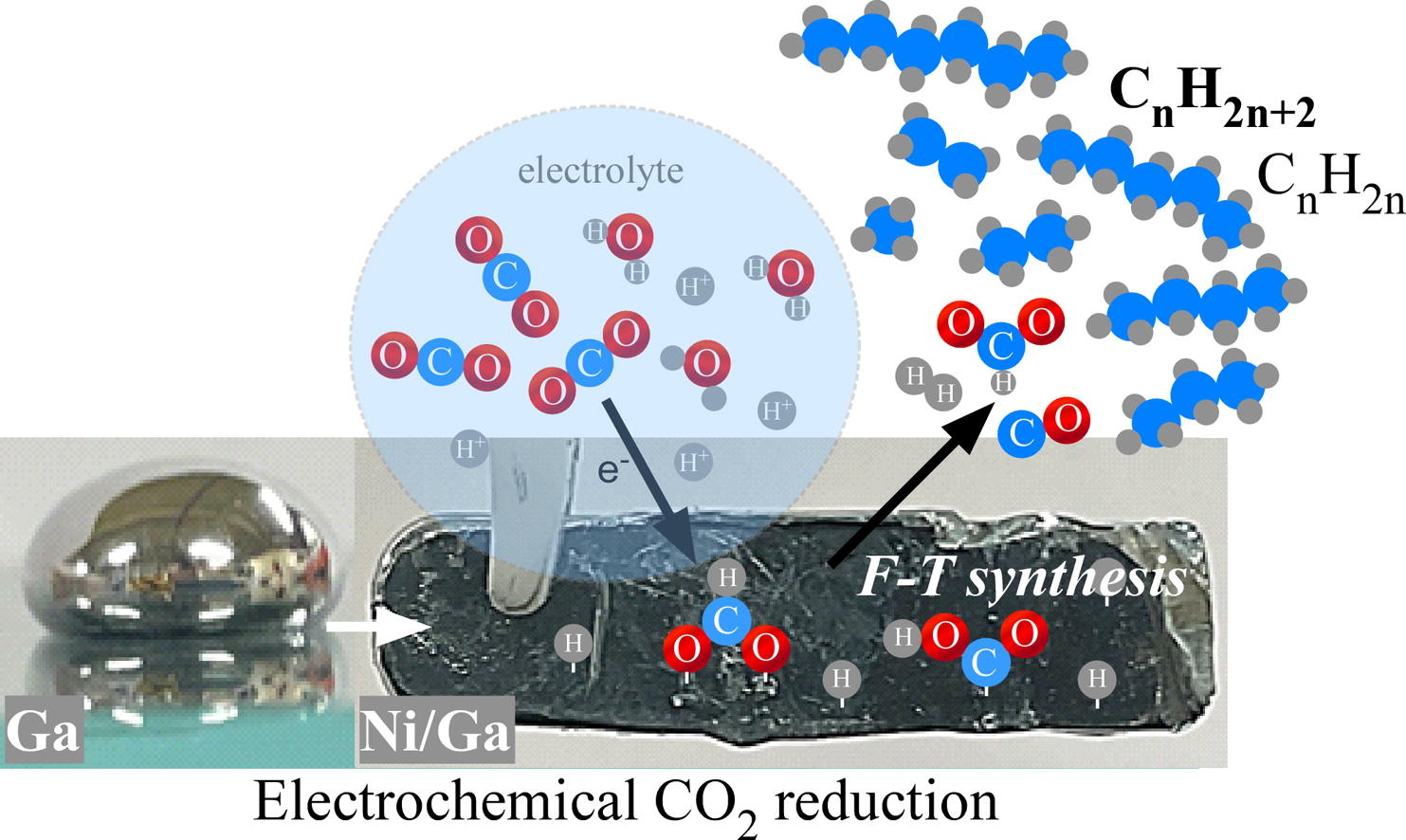
- 203
Electrochemical CO2 reduction over surface-modified Cd-based electrodes and reaction paths for long-chain hydrocarbons
Ju Young Maeng; Seon Young Hwang; Choong Kyun Rhee; Youngku Sohn
Appl. Surf. Sci. 2023, 631, 157576. DOI ↗ 📊 인용 ↗
📄 Abstract ▾
Using an electrocatalyst to convert CO2 into useful chemicals is a promising strategy for sustainable energy and environmental solutions. In this study, cadmium (Cd) was modified with different transition metals (Ti, Zr, Au, Cu, and Pt) and used as an electrode for electrochemical CO2 reduction. The resulting chemicals produced, such as CO, H2, and formate, were dependent on various factors, including the applied potential, electrolyte concentration, and overlayer metal. By increasing the NaHCO3 concentration, the production of CO and formate decreased, but long-chain hydrocarbons (CnH2n and CnH2n+2, n = 2–6) were produced. These hydrocarbons were further increased by sputter deposition of Zr and Ti on the Cd electrode, which followed a Fischer-Tropsch synthesis mechanism. Despite the low production efficiency, the results obtained provide significant insights into the mechanisms underlying C–C coupling and the electrochemical generation of long-chain hydrocarbons. By modifying the Cd surface with other metals (Au, Cu, and Pt), the resulting chemicals were compared, and Cd was found to recrystallize to CdCO3 cuboid/cube morphology after electrochemistry. These results provide valuable insights for the development of surface-modified Cd-based electrocatalysts and long-chain hydrocarbon productions for energy and the environment.
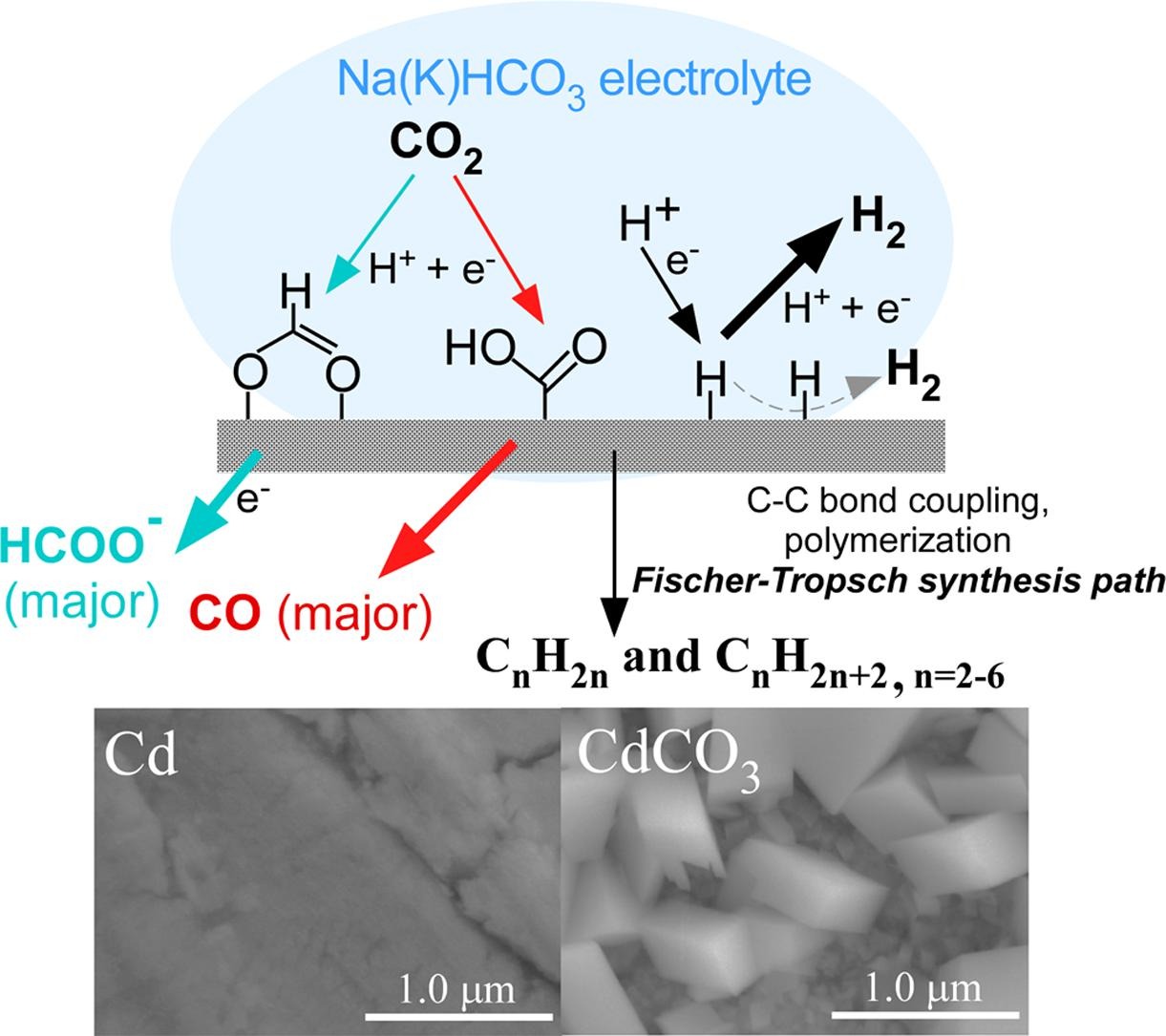
- 202
Electrochemical CO2 reduction versus CO reduction over Au/Ti electrocatalyts in phosphate buffer condition
Ju Young Maeng; Seon Young Hwang; Young Jun Kim; Choong Kyun Rhee; Youngku Sohn
Chem. Eng. J. 2023, 470, 143970. DOI ↗ 📊 인용 ↗
📄 Abstract ▾
Au supported on Ti has gained popularity as a highly stable and efficient catalyst in various fields. In this study, we report the use of Au/Ti as electrocatalysts for both electrochemical (EC) CO2 reduction and CO reduction in a phosphate buffer electrolyte. We demonstrate, for the first time, that the dominant gas products are CO, H2, and CH4, and that the EC CO2 reduction process yields long-chain hydrocarbons (CnH2n and CnH2n+2, n = 2–7) resulting from initial CO2 adsorption. Similarly, CH4 and long-chain hydrocarbons are significantly produced by EC CO reduction via direct CO adsorption on the catalyst surface. We also demonstrate an EC method for mimicking Fischer-Tropsch synthesis, which involves both indirect CO2 and direct CO adsorptions. By analyzing the weight distribution using the Anderson-Schulz-Flory method, we were able to understand the surface polymerization reaction, which we attributed to CO and CHx insertion. These findings are highly unique and represent a significant advancement in the development of electrochemical methods and electrocatalysts for producing long-chain hydrocarbon fuels.
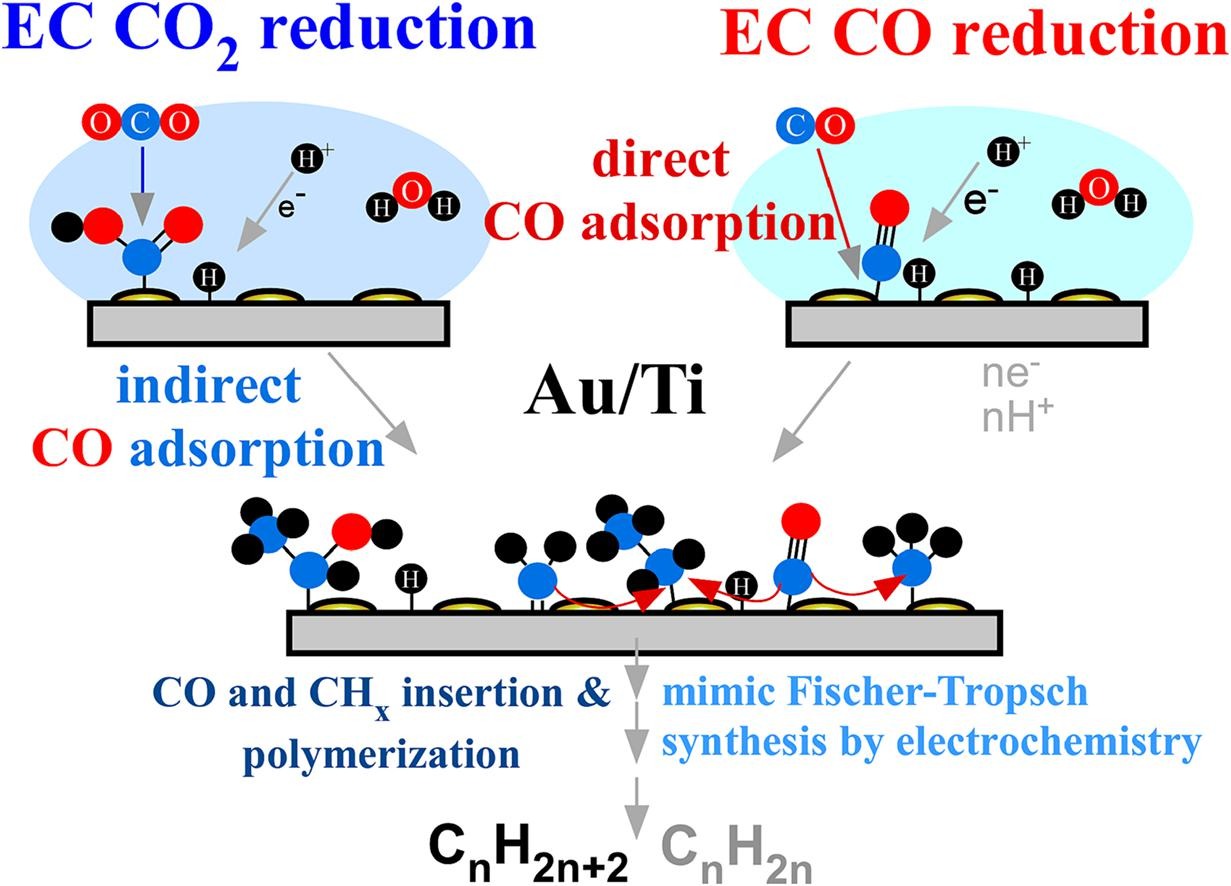
- 201
Interfacial Electronic Structures and the Fischer–Tropsch Synthesis Path by Electrochemical CO2/CO Reduction for Ternary CuNiZn Alloys
Go Eun Park; Hye Ji Jang; Ju Young Maeng; Seon Young Hwang; Seo Young Yang; Choong Kyun Rhee; Youngku Sohn
ACS Appl. Energy Mater. 2023, 6, 7258-7273. DOI ↗ 📊 인용 ↗
📄 Abstract ▾
Metal alloy electrocatalysts are commonly used in electrochemical (EC) CO 2 reduction. In this study, we demonstrate the application of a ternary CuNiZn alloy as an electrocatalyst for both CO 2 and CO reductions. Our results show that formate, CO, CH 4, and C 2–7 hydrocarbons were produced through the process of initial CO 2 adsorption followed by subsequent stepwise reactions. Interestingly, we also observed the production of CH 4 and C 2–7 hydrocarbons (C n H 2 n +2 and C n H 2 n ) through EC CO reduction, which occurred via direct CO adsorption, followed by hydrogenation reactions. Furthermore, we discovered an electrochemically-induced surface reaction that mimics the Fischer–Tropsch (F–T) synthesis, resulting in the formation of long-chain hydrocarbons through C–C coupling/polymerization. We utilized X-ray photoelectron spectroscopy with Ar + ion sputtering depth to investigate the interfacial electronic structures and surface elemental composition distributions of Cu, Ni, and Zn. Our results indicate that these properties are highly dependent on both the applied potential and the depth at which they are measured. These unique observation provides significant insights into the EC F–T synthesis process, C–C coupling mechanism, the design of efficient metal alloy electrodes, and the theoretical modeling of alloys in both electrochemical CO 2 reduction and CO reduction.
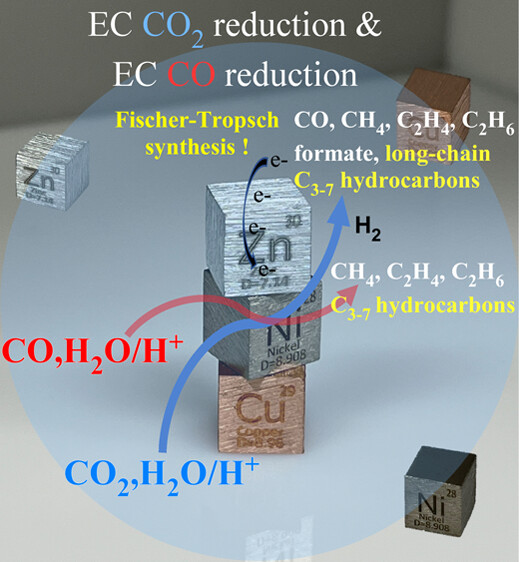
- 200
Electrochemical CO2/CO Reduction and C–C Coupling Path for Mimicking Fischer–Tropsch Synthesis over Cadmium Electrodes
Ju Young Maeng; Seon Young Hwang; Young Jun Kim; Ilsun Yoon; Chang Woo Myung; Choong Kyun Rhee; Youngku Sohn
J. Phys. Chem. C 2023, 127, 11448-11461. DOI ↗ 📊 인용 ↗
📄 Abstract ▾
Converting CO 2 into C n >2 hydrocarbons has been a significant challenge, but recent research has shown that cadmium (Cd) can be used to produce C 2–7 hydrocarbons (C n H 2 n and C n H 2 n +2 ) directly through electrochemical CO 2 reduction in a K 2 HPO 4 /KH 2 PO 4 buffer. The production of hydrocarbons was found to be enhanced by engineering the interface of the Cd surface with other transition metals. This process imitates the Fischer–Tropsch (F–T) synthesis, which involves surface polymerization reactions that couple carbon atoms together, resulting in the formation of long-chain hydrocarbons via the insertion of CO and CH x molecules. While the formate path was almost completely suppressed, the CO path remained. While the current Faradaic efficiency may be low, this study highlights the potential of electrochemical CO reduction for Cd. The study demonstrates that CO and H can directly participate in F–T synthesis through electrochemistry. Furthermore, Cd was observed to recrystallize into stacked wall structures resembling flowers after the electrochemical process. As a result, this research provides crucial insights that can aid in a better understanding of C–C coupling paths via electrochemistry.
- 199
Electrochemical CO2 Reduction over In Alloy Electrodes and Depth‐Profiled Interfacial Electronic Structures
Seo Young Yang; Ju Young Maeng; Seon Young Hwang; Go Eun Park; Choong Kyun Rhee; Youngku Sohn
ChemCatChem 2023, 15, e202300336. DOI ↗ 📊 인용 ↗
📄 Abstract ▾
Indium (In) in the p‐block of the periodic table has demonstrated a high Faradaic efficiency (FE) for formate production in electrochemical CO 2 reduction reaction (EC CO 2 RR). Therefore, In‐based alloys have been extensively employed to improve performance. However, the effects of alterations in surface elemental composition and interfacial electronic structure have not been investigated in detail. In this study, we introduced In and In‐based alloys (InGaAg, InSn, and InSnBi) electrodes for EC CO 2 RR. The experimental conditions employed in the demonstrated tests encompass various factors, such as applied potentials, electrolytes and their concentrations, as well as the effects of light, including UV and infrared light radiation. Nuclear magnetic resonance spectroscopy confirmed formate production with high FE (97.7 %) and selectivity (98.5 %). Minor amounts of CO, CH 4 , and H 2 were also detected by gas chromatography. Depth‐profiling X‐ray photoelectron spectroscopy was used to examine the effects of alloying, potential‐induced exposed surface elemental compositions, and interfacial electronic structures. The study found that the elemental distribution was substantially altered after EC CO 2 RR. These unique results provide valuable information for the improvement and theoretical modeling of In‐based alloy electrocatalysts for CO 2 recycling.
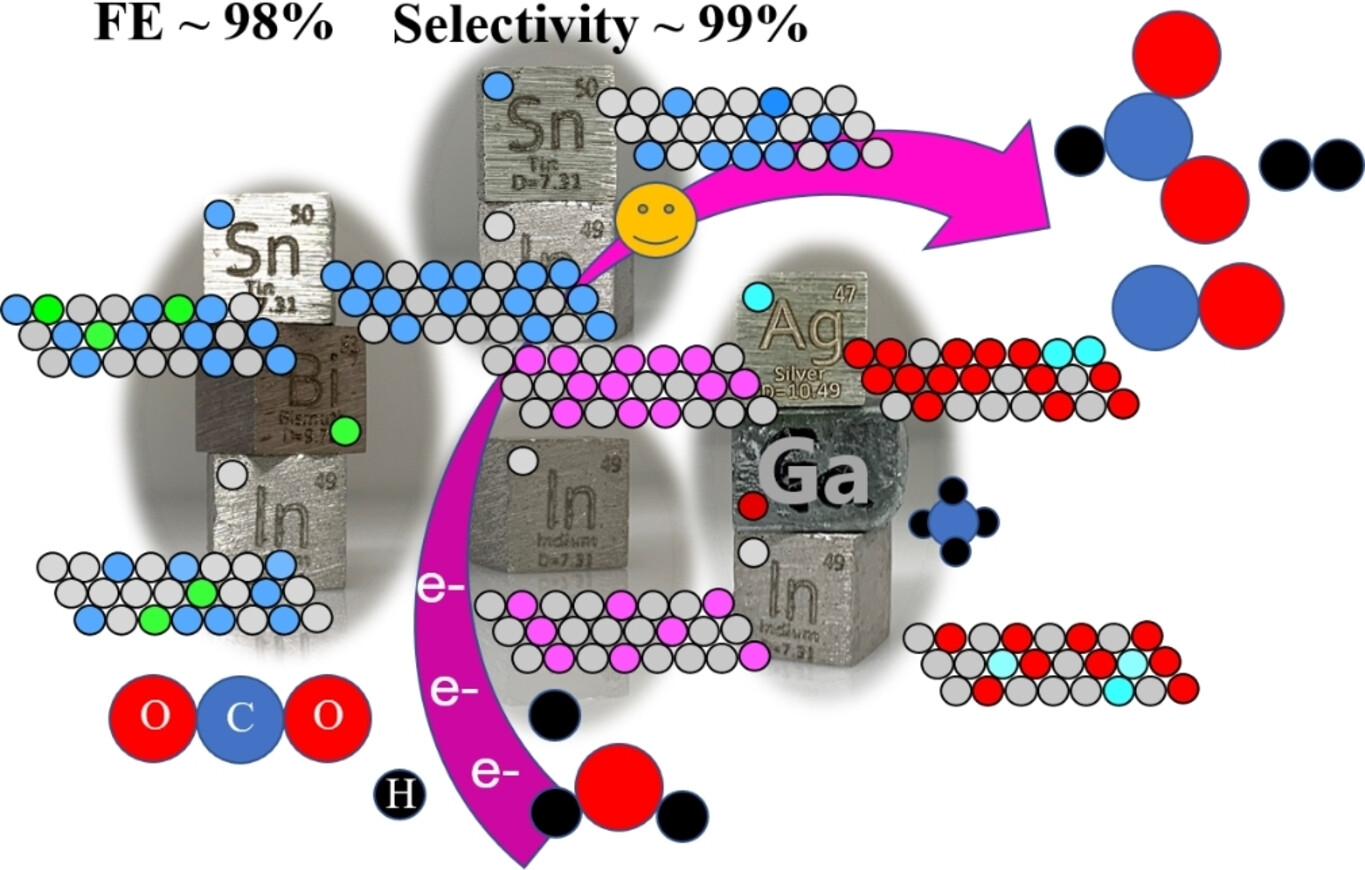
- 198
Electrochemical CO2 Reduction over a MoS2/Mo Electrode
Seon Young Hwang; Min Hee Joo; Ju Young Maeng; Go Eun Park; Seo Young Yang; Choong Kyun Rhee; Youngku Sohn
Applied Science and Convergence Technology 2023, 32, 48-53. DOI ↗ 📊 인용 ↗
📄 Abstract ▾
Molybdenum disulfide (MoS2) is a promising material for energy and environmental applications. In this paper, we report the direct hydrothermal growth of MoS2 on a Mo support and its application in the rarely explored electrochemical CO2 reduction (EC CO2R) process. To investigate the effects of metal overlayers and the MoS2 support, Au, Ag, and Cu were sputter-deposited on a MoS2 electrode. Large amounts of CH4, C2-3 hydrocarbons, and formate were produced via EC CO2R on bare MoS2. The introduction of a Au overlayer on MoS2 enhanced the production of CO, methanol, and formate. Furthermore, the alkanes (CnH2n+2, n = 2, 3) to alkenes (CnH2n, n = 2, 3) ratio was dependent on the applied potential and overlayer metals. Notably, photoirradiation remarkably increased the CO and C2H4 concentrations by 28-fold and 10-fold, respectively. These findings provide valuable insights for the development of MoS2-based materials for CO2 recycling.
- 197
The Ways for Bi on Pt to Enhance Formic Acid Oxidation
Hyein Lee; Young Jun Kim; Youngku Sohn; Choong Kyun Rhee
Journal of Electrochemical Science and Technology 2023, 14, 21-30. DOI ↗ 📊 인용 ↗
📄 Abstract ▾
This work presents a correlation between the behavior of formic acid oxidation (FAO) on various Bi-modified Pt(poly) disk electrodes and their morphologies observed on Bi-modified Pt(111) disk electrodes using electrochemical scanning tunneling microscopy (EC-STM) to understand the effects of Bi on Pt. To distinguish the FAO activities of Bi on Pt and plain Pt around Bi, additional Pt was intentionally deposited using two different routes: direct route and iodine route. In direct route, Pt was directly deposited on Bi islands and plain Pt sites around Bi islands, while in iodine route, Pt was exclusively deposited on Bi islands by protecting plain Pt sites with adsorbed iodine. Thus, a comparison of FAO performances on the two Bi-modified Pt electrodes with additional Pt (deposited in the different ways) disclosed a difference in FAO performances on plain Pt sites and Bi islands. When Bi coverage was ~0.04, the Bi deposits were scattered Bi islands enhancing FAO on Pt(poly). The additional Pt deposits using direct route increased FAO efficiency, while the ones using iodine route slightly decreased FAO current. The EC-STM observations indicated that Pt deposits around Bi islands, not on Bi islands, were responsible for the FAO current increase on Bi-modified Pt(poly). The FAO efficiency on Bi-modified Pt(poly) with a Bi coverage of ~0.25 increased by a factor of 2. However, the additional Pt deposits using the two Pt deposition routes notably decreased the FAO current. The dependency of FAO on Bi coverage was discussed in terms of electronic effect and ensemble effect.
- 196
Electrocatalytic syngas and photocatalytic long-chain hydrocarbon productions by CO2 reduction over ZnO and Zn-based electrodes
Ju Young Maeng; Ju Hyun Yang; Hye Ji Jang; Min Hee Joo; Young Jun Kim; Choong Kyun Rhee; Youngku Sohn
Appl. Surf. Sci. 2023, 609, 155349. DOI ↗ 📊 인용 ↗
📄 Abstract ▾
Direct electrocatalytic syngas (CO and H2) production has been attracted as a strategy for energy and environmental solution. Herein, Zn and ZnO nanorod (ZnONR)-based catalysts were demonstrated to show promising performance in syngas production by electrocatalytic CO2 reduction. The H2/CO ratio was optimally tuned by surface modification, applied potentials, electrolytes, and Pt-deposition. ZnONR was observed to be commonly reduced to metallic Zn accompanying surface reconstruction during CO2 reduction. Photocatalytic CO2 reduction was also tested to observe CO, CH4, CH3OH, and some organic compounds. We report here a mimic of Fischer-Tropsch (F-T) synthesis can be achieved at ambient temperature by direct photocatalytic CO2 reduction to produce long chain hydrocarbons of CnH2n and CnH2n+2 (up to C7 compounds). Alkenes were observed to be predominant, compared with alkanes unlike the results reported in the literatures. The very unique results provide valuable information on the development of CO2 reduction electrocatalysts and photocatalysts for energy and environment.
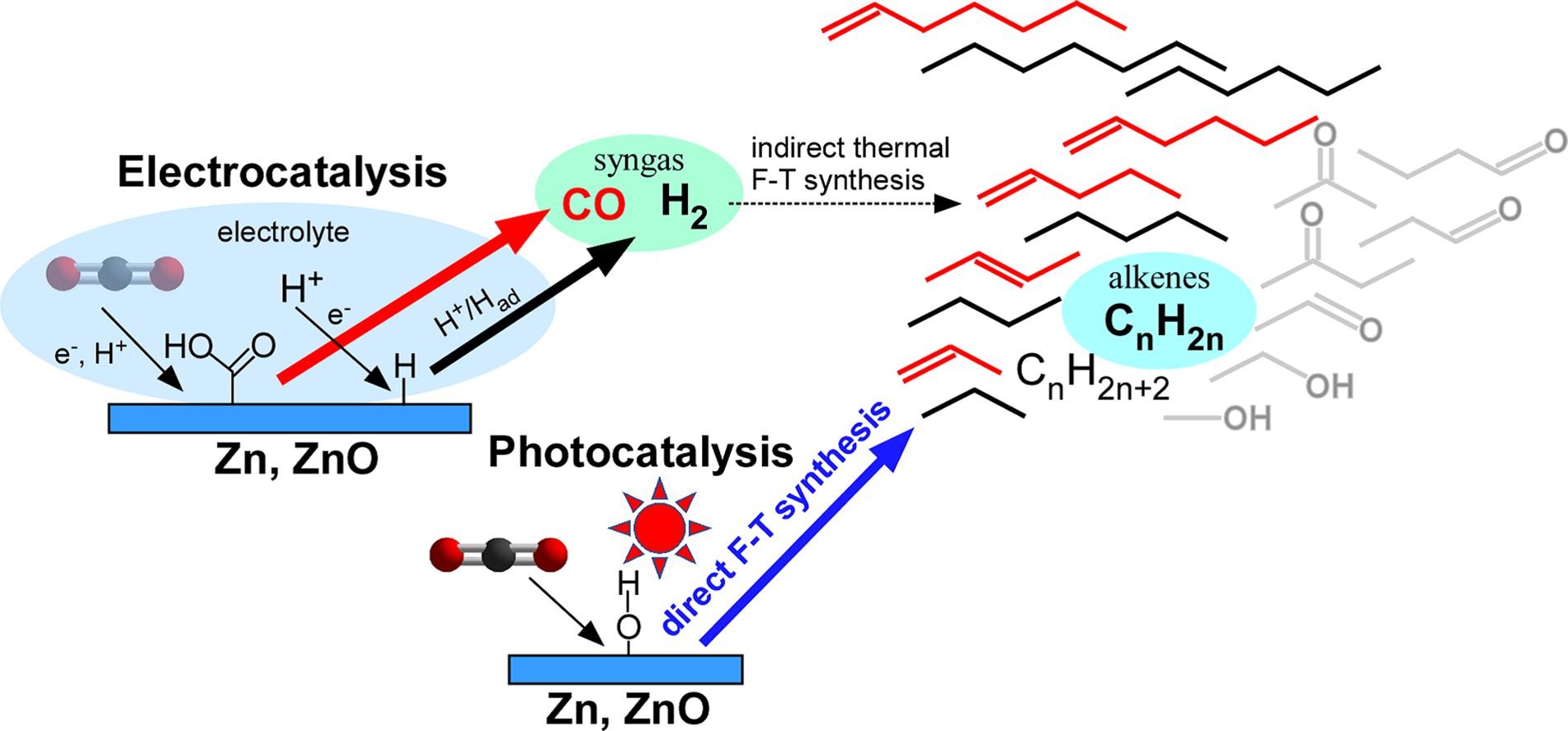
- 195
Eu(III)–BaTiO3 nanoparticles and BaTiO3/TiO2/Ti sheets; photocatalytic and electrocatalytic CO2 reduction
Seon Young Hwang; Hye Ji Jang; Young Jun Kim; Ju Young Maeng; Choong Kyun Rhee; Youngku Sohn
Mater. Sci. Semicond. Process. 2023, 153, 107134. DOI ↗ 📊 인용 ↗
📄 Abstract ▾
Perovskite barium titanate (BaTiO3, BTO) has shown a high potential as catalysts. Eu(III) ion has been employed as a unique red-luminescence activator in a host metal oxide. Herein, Eu(III)-doped BTO nanoparticles (NPs) were synthesized, and their photocatalytic CO2 reduction activities and products were examined. Major CO2 reduction products were observed to be CH3OH, CO, and CH4. Doped Eu(III) ions were used as a tracer to discuss the roles of dopants by measuring photoluminescence (PL) properties and PL lifetimes. Electrocatalytic CO2 reduction performances were evaluated using BTO electrodes directly grown on a TiO2/Ti sheet, and Cu-deposited BTO electrodes. H2 was a major product and formate was significantly increased upon Cu deposition on the surface. Surface oxidation states of BTO with dopant concentration and overlayer Cu metal were fully discussed by X-ray photoelectron spectroscopy. The surface electronic structure was altered by doping and metal deposition, and thereby the selectivity and productivity for CO2 reduction were varied. The unique physicochemical properties and CO2 reduction demonstration tests provide significant information on understanding CO2 reduction mechanism and the development of BTO-based catalysts for energy and environment.
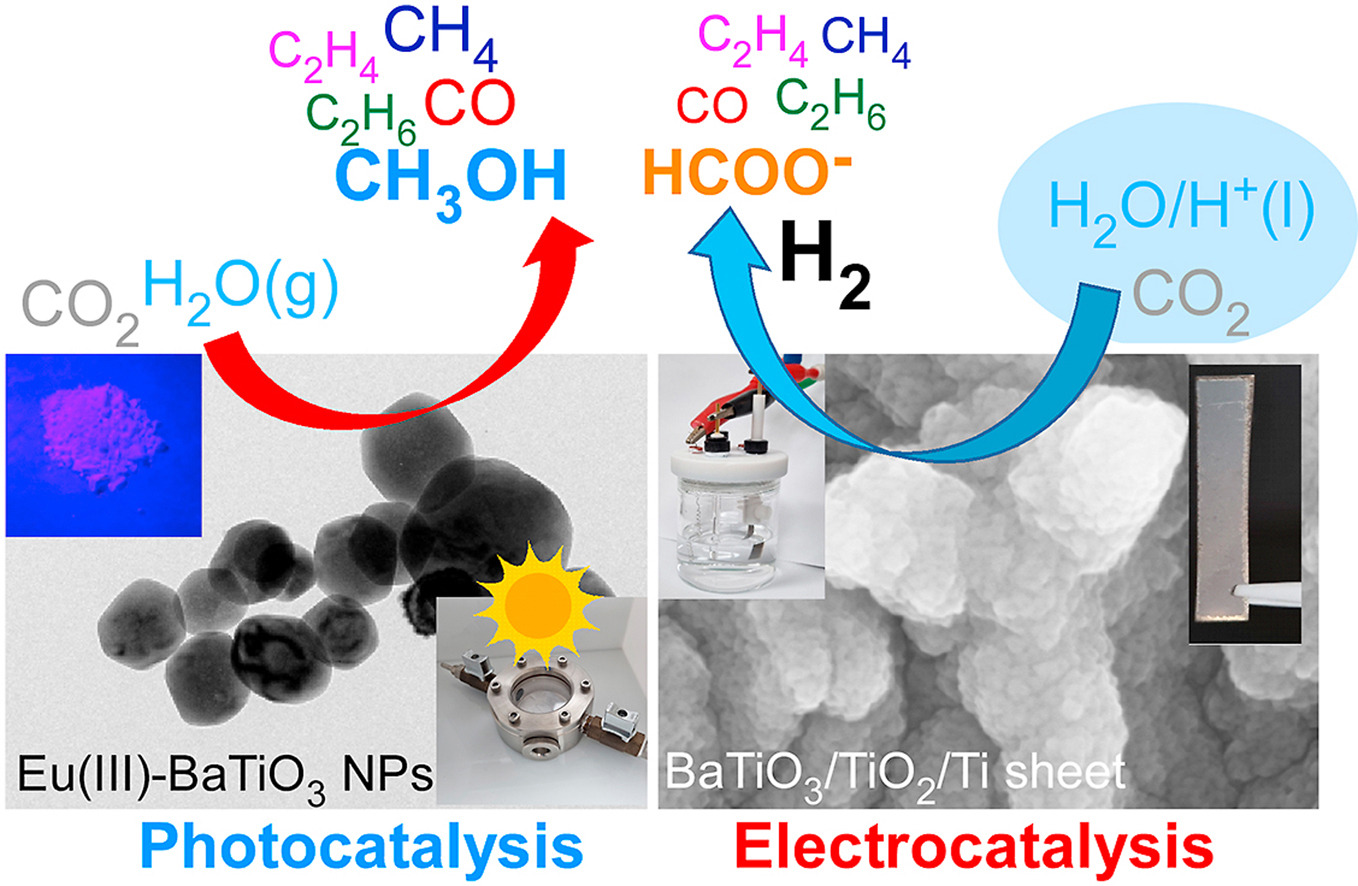
2022
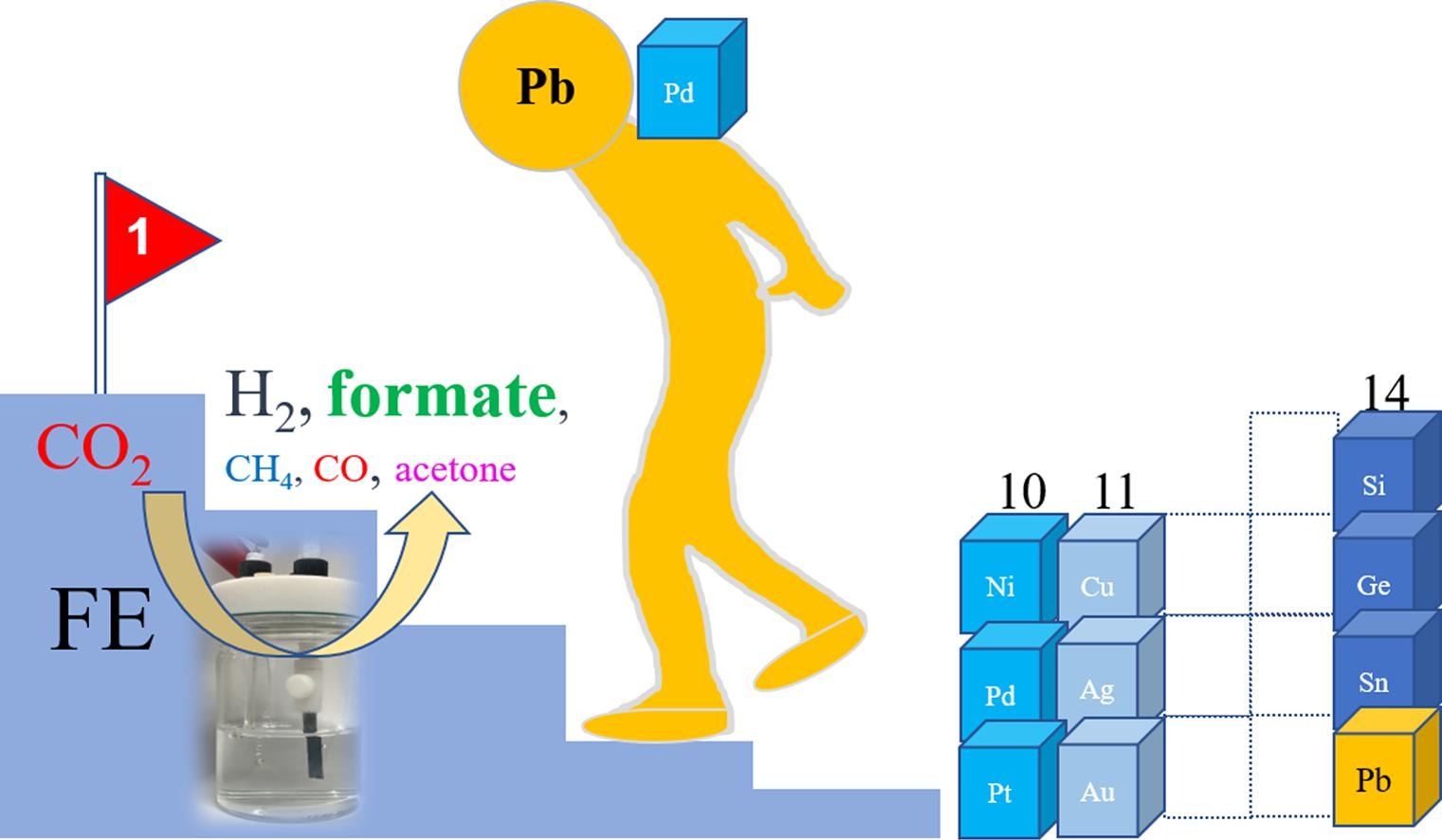
- 193
Electrocatalytic CO2 reduction reaction over group 15 bismuth and antimony film electrodes: What makes difference?
Hye Ji Jang; Ju Young Maeng; Young Jun Kim; Ilsun Yoon; Chang Woo Myung; Choong Kyun Rhee; Youngku Sohn
J. CO2 Util. 2022, 64, 102202. DOI ↗ 📊 인용 ↗
📄 Abstract ▾
Electrocatalytic CO2 reduction reaction (EC CO2 RR) activities and products are known to be highly dependent on the nature of electrode materials. Herein, Bi and Sb (in group 15 with n-1d10ns2np3) electrodes were chosen and evaluated for EC CO2 RR under various conditions of different applied potentials, electrolytes, concentration, and UV light. Major products were observed to be formate and H2, and minor products included CO. Bi film electrode showed high Faradaic efficiency (FE) of ~94% and the selectivity of 95% for formate. Overlayer vanadium on Bi further enhanced the FE of formate. However, Sb film exhibited much higher FE of H2 than that of formate. UV light was observed to promote formate and CO productions. The FEs of formate and H2 were discussed with exposed crystal facets and density of states near the Fermi level. The very unique detailed study provides valuable information on the development of Bi and Sb-based electrodes for EC CO2 RR of producing value-added carbon products.
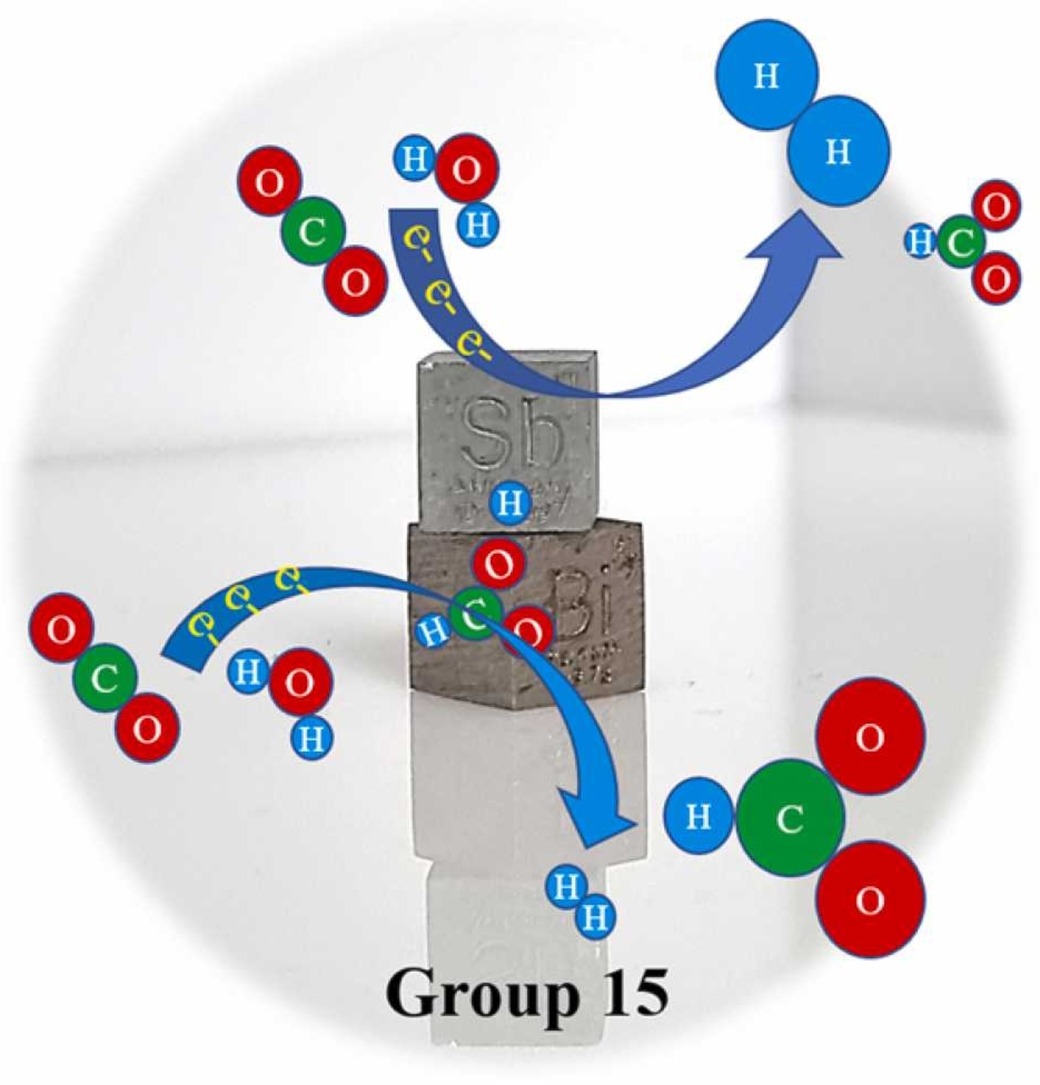
- 192
Electrochemical Performance of Layer-Structured Ni0.8Co0.1Mn0.1O2 Cathode Active Materials Synthesized by Carbonate Co-Precipitation
Byung Hyun Park; Taeseong Kim; Hyerim Park; Youngku Sohn; Jongmin Shin; Misook Kang
Nanomaterials 2022, 12, 3610. DOI ↗ 📊 인용 ↗
📄 Abstract ▾
The layered Ni-rich NiCoMn (NCM)-based cathode active material Li[NixCo(1−x)/2Mn(1−x)/2]O2 (x ≥ 0.6) has the advantages of high energy density and price competitiveness over an LiCoO2-based material. Additionally, NCM is beneficial in terms of its increasing reversible discharge capacity with the increase in Ni content; however, stable electrochemical performance has not been readily achieved because of the cation mixing that occurs during its synthesis. In this study, various layer-structured Li1.0[Ni0.8Co0.1Mn0.1]O2 materials were synthesized, and their electrochemical performances were investigated. A NiCoMnCO3 precursor, prepared using carbonate co-precipitation with Li2CO3 as the lithium source and having a sintering temperature of 850 °C, sintering time of 25 h, and metal to Li molar ratio of 1.00–1.05 were found to be the optimal parameters/conditions for the preparation of Li1.0[Ni0.8Co0.1Mn0.1]O2. The material exhibited a discharge capacity of 160 mAhg−1 and capacity recovery rate of 95.56% (from a 5.0–0.1 C-rate).
- 191
Synthesis and photophysical properties of thiophene-modified salicylate derivatives
Hwan Pyo Jeon; Jiyeon Ha; In Tae Kim; Hae Ji Jang; Youngku Sohn; Jun-Gill Kang
J. Lumin. 2022, 250, 119096. DOI ↗ 📊 인용 ↗
📄 Abstract ▾
The photophysical properties of 2-hydroxy-4-(5-methoxythiophen-2-yl)benzoic acid (HmoTBAH) and methyl 2-hydroxy-4-(5-methoxythiophen-2-yl)benzoate (MHmoTB) were investigated in methylenechloride (MC), methanol (MeOH) and dimethyl sulfoxide (DMSO). Ultraviolet (UV) excitation of the thiophene-modified salicylate derivatives produced strong luminescence spanning over the 380–500 nm region, and the spectral features were not affected by the solvent. However, the luminescence quantum yield (Q) of HmoTBAH was higher than that of MHmoTB in a given solvent. The effects of pH on the luminescence properties of the two derivatives were also examined in a DMSO/water mixed solvent (90 vol%), and it was found that the base-treated HmoTBAH produced complex emission and excitation spectra. Furthermore, to interpret the observed photophysical properties, quantum-mechanical calculations of the structural geometry and the electronic transitions were performed using the density functional theory (DFT) and the time-dependent DFT (TDDFT), respectively.
- 190
Interface Engineered V-Zn Hybrids: Electrocatalytic and Photocatalytic CO2 Reductions
Seon Young Hwang; Hye Ji Jang; Young Jun Kim; Ju Young Maeng; Go Eun Park; Seo Young Yang; Choong Kyun Rhee; Youngku Sohn
Nanomaterials 2022, 12, 2758. DOI ↗ 📊 인용 ↗
📄 Abstract ▾
V-Zn hybrids have widely been used as catalyst materials in the environment and as energy. Herein, V-Zn hybrid electrodes were prepared by the hydrothermal and sputter-deposition methods using a Zn foil support. Their electrocatalytic CO2 reduction (EC CO2 RR) performances were tested under various applied potentials, different electrolytes, and concentrations before and after thermal treatment of the demonstrated electrode. Gas and liquid products were confirmed by gas chromatography and nuclear magnetic resonance spectroscopy, respectively. For V-Zn electrode by hydrothermal method produced mainly syngas (CO and H2) with tunable ratio by varying applied potential. Minor products include CH4, C2H4, and C2H6. A liquid product of formate showed a Faradaic efficiency (FE) of 2%. EC CO2 RR efficiency for CO, CH4, and formate was best in 0.2 M KHCO3 electrolyte condition. CO and formate were further increased by photoirradiation and Nafion-treated electrode. Formate and CH4 productions were significantly increased by thermal treatment of the V-Zn electrode. CO production was diminished for the V-Zn electrode by sputter deposition but was recovered by thermal treatment. Photocatalytic CO2 RR was tested to find that RR products include CH3OH, CO, CH4, C2H4, and C2H6. Interestingly long-chain hydrocarbons (CnH2n and CnH2n+2, where n = 3–6) were first observed under mild conditions. The long-chain formation was understood by Fisher-Tropsch (F-T) synthesis. Alkenes were observed to be more produced than alkanes unlike in the conventional F-T synthesis. The present new findings provide useful clues for the development of hybrid electro-and photo-catalysts tested under various experimental conditions in energy and environment.
- 189
Ignition study of facile spray drying prepared microspheres of nickel coated boron nanoparticles using a shock tube
Haneol Lee; Jong Hun Kim; P.R. Deshmukh; Hyung Soo Hyun; Youngku Sohn; Weon Gyu Shin
J. Alloys Compd. 2022, 910, 164678. DOI ↗ 📊 인용 ↗
📄 Abstract ▾
Boron is being widely explored as a potential additive for high energy fuels because of its extraordinary gravimetric and volumetric energy content. However, its application is obstructed by the surface oxide layer which forms on the core boron particles, degrading its combustion and ignition performance. This oxide layer has a high vaporization temperature. To improve the combustion and ignition performance of boron, nickel nanoparticles were coated on the boron particle surface using a simple and unique spray drying technique. Numerous samples were prepared while varying the boron and nickel particles weight percent ratios. Surface morphological analyses showed that the nickel coated boron particles formed microspheres. These microspheres had a size distribution in the range of 2–15 µm and a mean diameter of 4.64 µm. The coating density of the crystalline nickel nanoparticles on the boron surface increased as the nickel percent used for the sample preparation was increased. X-ray diffraction (XRD) identifies the coating of nickel particles over the boron surface without any phase formation. Field emission scanning electron microscopy (FE-SEM), line scanning, elemental mapping and energy dispersive spectroscopy (EDS) studies provided an elemental analysis of the nickel coated boron particles that confirmed the surfaces of the boron particles were coated with nickel particles, and formed intimate contact between them. The oxidation performance of nickel, boron, and boron coated with nickel particles was studied by thermogravimetric analysis (TGA). The beginning of oxidation and the exothermic peaks of pure boron appeared earlier after the coating with nickel. Also, a decrease in weight gain was observed at 1000 °C in the boron coated with nickel. A shock tube experiment showed the nickel coated boron has a lower ignition delay time than the pure boron. The ignition delay times of the nickel coated boron samples, such as B:Ni= 40:1 and B:Ni= 10:1 samples decreased by 12% and 16%, respectively, compared to pure boron. Thus, spray drying prepared nickel coated boron particles demonstrated a substantial improvement in ignition performance versus uncoated boron.
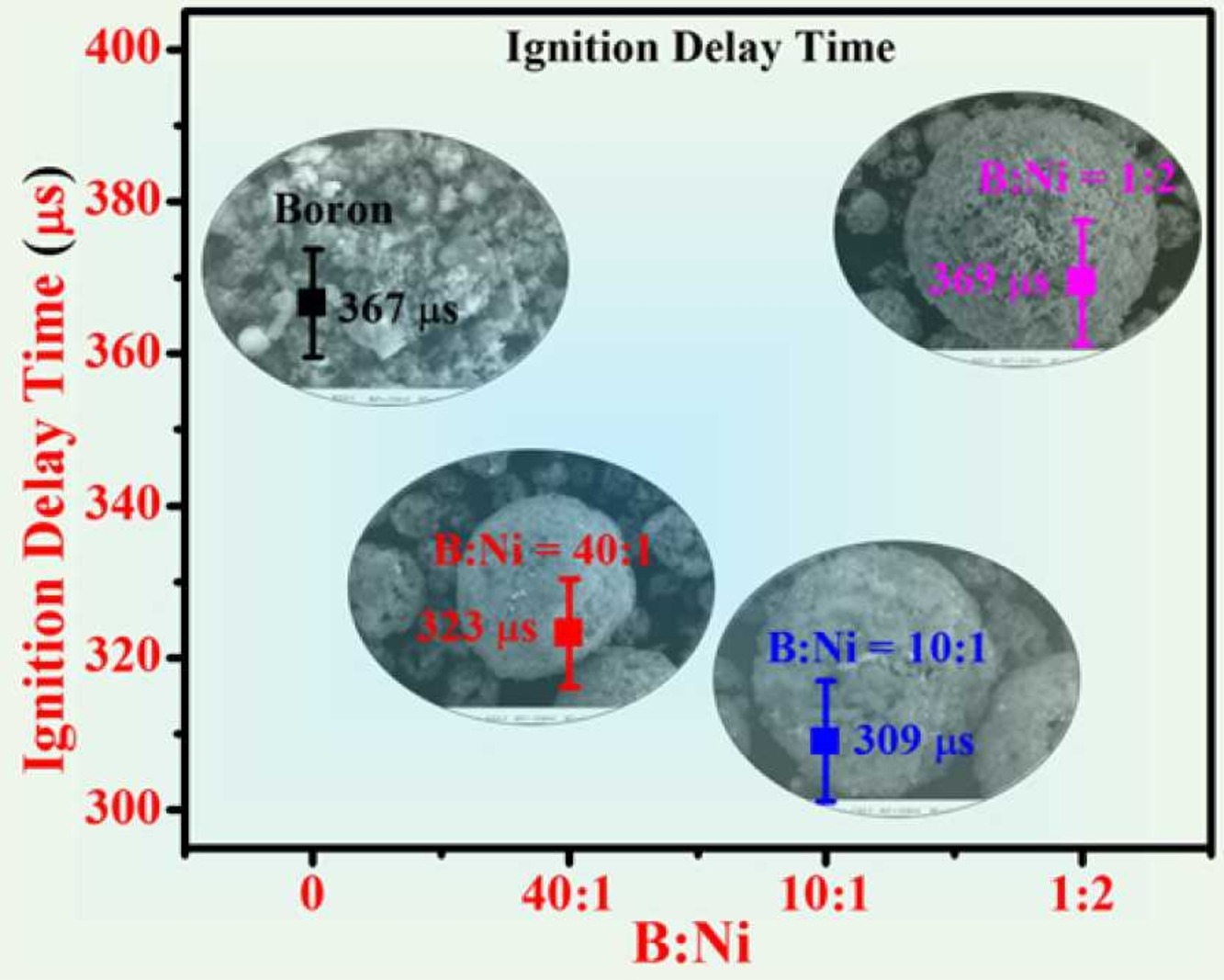
- 188
CO2 reduction by photocatalytic and photoelectrocatalytic approaches over Eu(III)-ZnGa2O4 nanoparticles and Eu(III)-ZnGa2O4/ZnO nanorods
Hye Ji Jang; Ju Hyun Yang; Ju Young Maeng; Min Hee Joo; Young Jun Kim; Sung-Min Hong; Choong Kyun Rhee; Youngku Sohn
J. CO2 Util. 2022, 60, 101994. DOI ↗ 📊 인용 ↗
📄 Abstract ▾
Value-added products by CO2 reduction have extensively been researched using many developed catalysts. Herein, Eu(III)-doped ZnGa2O4 (ZGO) nanoparticles and ZGO hybridized ZnO nanorods (ZGO/ZnONR) were evaluated for photocatalytic and photoelectrocatalytic CO2 reduction under diverse experimental conditions. For photocatalytic CO2 reduction, the CO/CH3OH production ratio was > 1 for ZGO, but < 1 for ZGO/ZnONR. For electrochemical CO2 reduction, CO and H2 were major products with minor formate, and dependent on the parameters including Eu(III)-doping. H2 and formate were increased with increasing applied potential, and CO showed the highest Faradaic efficiency at -1.6 V (vs. Ag/AgCl). Syngas (H2/CO) ratio was shown to be efficiently controlled from 0.5 to 2.0. UV light showed a dramatic effect on increasing CO production but not on H2. Formate was also increased under UV light. Overall, the present study provides strategies of controlling reduction products and syngas ratio by employing hybridized ZGO/ZnONR, doping, and UV light.
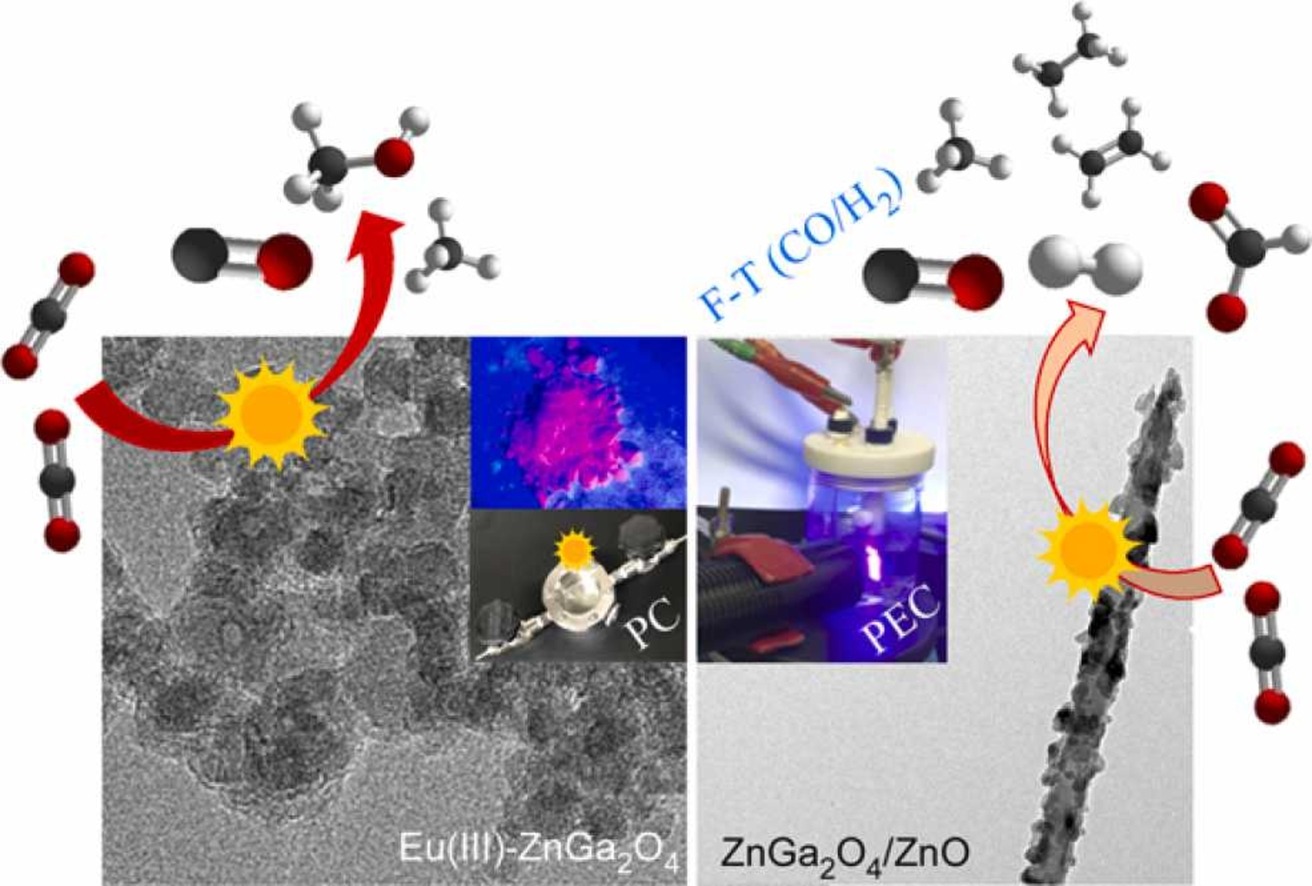
- 187
Effective inactivation of Bacillus atrophaeus spores and Escherichia coli on disposable face masks using ultraviolet laser irradiation
My-Chi Thi Nguyen; Huu-Quang Nguyen; Hanbyeol Jang; Sojung Noh; Youngku Sohn; Kiju Yee; Heesoo Jung; Jeongkwon Kim
Journal of Analytical Science and Technology 2022, 13, 23. DOI ↗ 📊 인용 ↗
📄 Abstract ▾
Due to the widespread emergence of COVID-19, face masks have become a common tool for reducing transmission risk between people, increasing the need for sterilization methods against mask-contaminated microorganisms. In this study, we measured the efficacy of ultraviolet (UV) laser irradiation (266 nm) as a sterilization technique against Bacillus atrophaeus spores and Escherichia coli on three different types of face mask. The UV laser source demonstrated high penetration of inner mask layers, inactivating microorganisms in a short time while maintaining the particle filtration efficiency of the masks. This study demonstrates that UV laser irradiation is an efficient sterilization method for removing pathogens from face masks.
- 186
Electrochemical Ce3+/Ce4+ and Eu2+/Eu3+ interconversion, complexation, and electrochemical CO2 reduction on thio-terpyridyl-derivatized Au electrodes
So Jeong Park; Min Hee Joo; Ju Young Maeng; Choong Kyun Rhee; Jun-Gill Kang; Youngku Sohn
Appl. Surf. Sci. 2022, 576, 151793. DOI ↗ 📊 인용 ↗
📄 Abstract ▾
Thio-terpyridyl derivatized Au electrodes (Au-STpy) were first employed to understand electrochemical redox behaviors of Ce3+/Ce4+ and Eu2+/Eu3+ ions by cyclic voltammetry (CV). For Ce3+/Ce4+ ions in H2SO4 electrolyte, real-time amperometry and fluorescence spectroscopy revealed that the reduction process was more facile than the oxidation process, and the functionalized Au showed enhanced redox rates. CV and amperometry of Eu2+/Eu3+ ions were performed in KCl electrolyte. X-ray photoelectron spectroscopy (XPS) and fluorescence data confirmed Eu3+ state for electrodeposited Eu complexes. Density functional theory was employed for optimized geometry, electronic energy levels and thermodynamics of the complexation of thio-terpyridyl-functionalized Au with Ce3+/Ce4+ and Eu2+/Eu3+ ions. The role of functionalization was also shown in electrochemical CO2 reduction with major products of CO and H2. Ultraviolet photoelectron spectroscopy revealed the newly aligned energy level at the interface of Au and STpy. The present unique results provide deeper information on functionalized Au for electrochemical applications to the treatment/recycling of lanthanide elements, in addition to catalysts, displays, and metal-organic complexes.
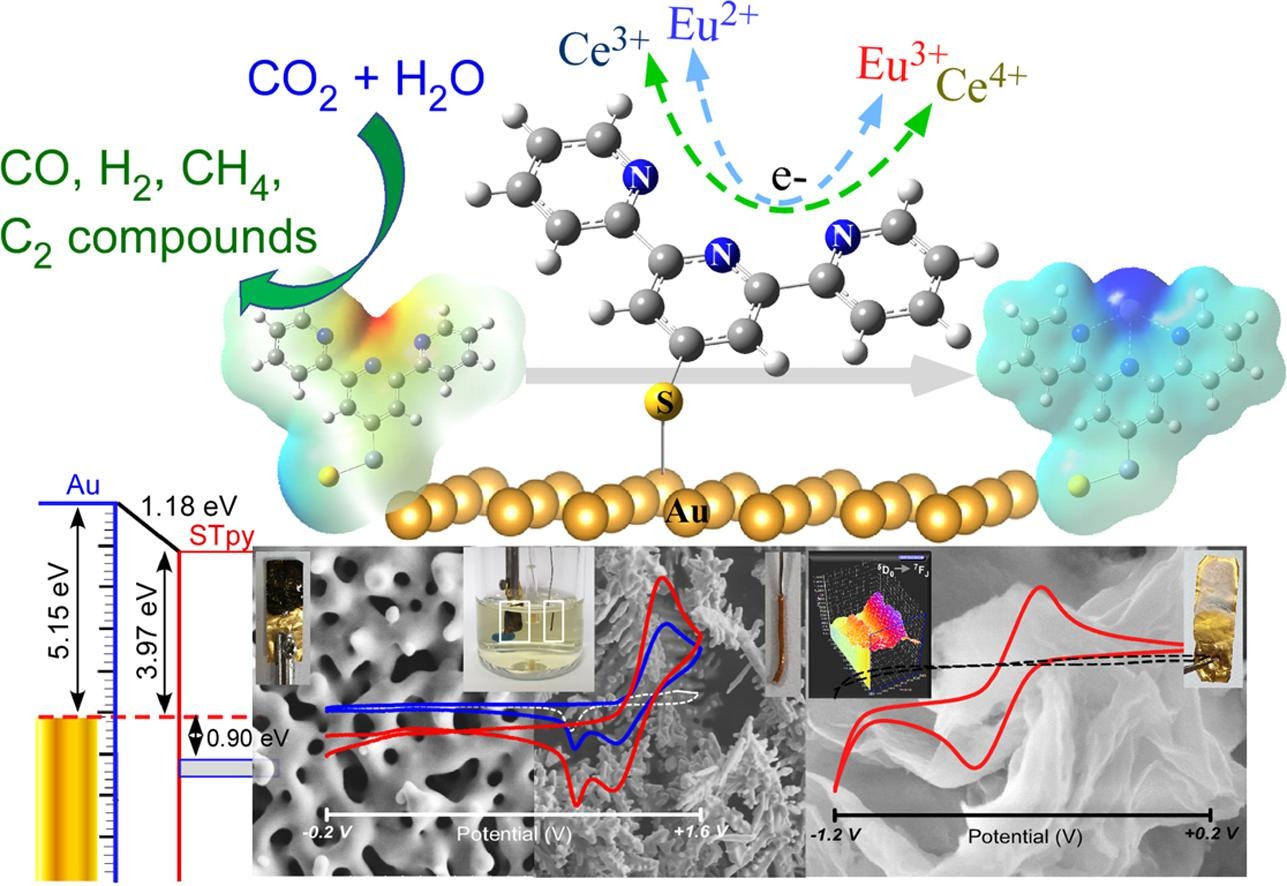
- 185
Photoelectrochemical CO2 Reduction Products Over Sandwiched Hybrid Ga2O3:ZnO/Indium/ZnO Nanorods
Hye Ji Jang; Ju Hyun Yang; Ju Young Maeng; Min Hee Joo; Young Jun Kim; Choong Kyun Rhee; Youngku Sohn
Frontiers in Chemistry 2022, 10, 814766. DOI ↗ 📊 인용 ↗
📄 Abstract ▾
Recycled valuable energy production by the electrochemical CO 2 reduction method has explosively researched using countless amounts of developed electrocatalysts. Herein, we have developed hybrid sandwiched Ga 2 O 3 :ZnO/indium/ZnO nanorods (GZO/In/ZnO NR ) and tested their photoelectrocatalytic CO 2 reduction performances. Gas chromatography and nuclear magnetic spectroscopy were employed to examine gas and liquid CO 2 reduction products, respectively. Major products were observed to be CO, H 2 , and formate whose Faradaic efficiencies were highly dependent on the relative amounts of overlayer GZO and In spacer, as well as applied potential and light irradiation. Overall, the present study provides a new strategy of controlling CO 2 reduction products by developing a sandwiched hybrid catalyst system for energy and environment.
- 184
X-ray micro computed tomography and efficient electrochemical recovery of lanthanides on porous carbon cylinder electrodes
Min Hee Joo; So Jeong Park; Sung-Min Hong; Choong Kyun Rhee; Dongsoo Kim; Gisu Ji; Sung Woo Lee; Youngku Sohn
Composites Part B: Engineering 2022, 231, 109590. DOI ↗ 📊 인용 ↗
📄 Abstract ▾
Porous carbon cylinder (PCC) electrodes were prepared by thermal treatment of used corn starch packaging materials at 800 °C under Ar condition. The recycled PCC electrodes were first used to successfully recover lanthanide (La, Ce, Pr, Nd, Sm, Eu, Gd, Tb, Dy, Ho, Er, Tm, and Yb) ions in a 0.1 M NaClO4 electrolyte by amperometry electrodeposition. The electrodeposited materials were characterized by scanning electron microscopy, X-ray diffraction crystallography, energy dispersive X-ray spectroscopy, Raman spectroscopy, Fourier-transform infrared spectroscopy, X-ray photoelectron spectroscopy, temperature programmed reaction spectrometry, fluorescence (FL) spectroscopy, and real-time FL measurement for electrodeposition kinetic analysis. X-ray Micro computed tomography (X-ray micro-CT) was first successfully employed to examine open and closed pore 3D images for PCC before and after electrodeposition. Hydrogen storage property of PCC was also demonstrated. The present study showed very unique information for the preparation of PCC by recycling of used corn starch packaging materials, hydrogen storage, electrochemical recovery of lanthanide elements using the PCC, and inner and exterior 3D image processing of PCC using X-ray micro-CT.
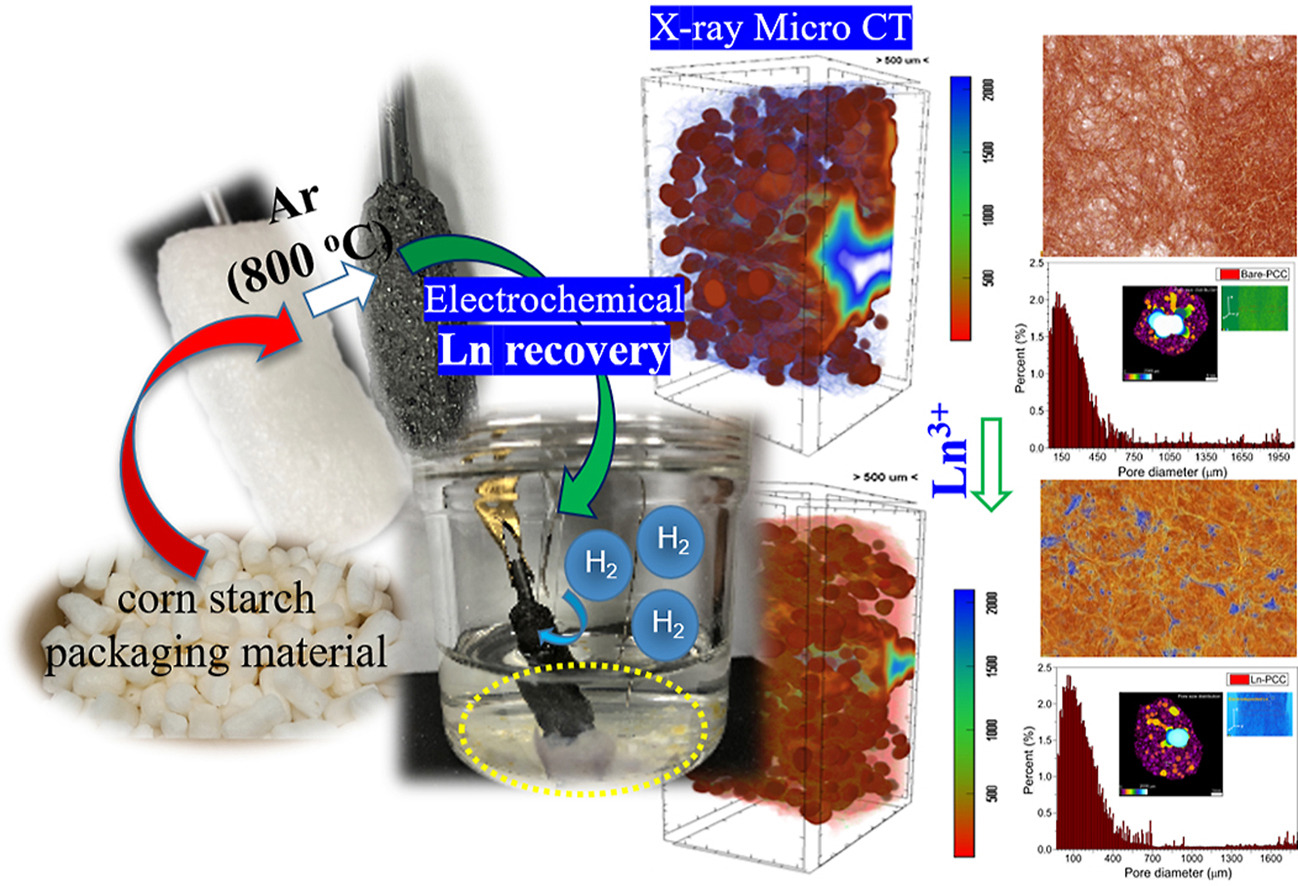
- 183
In-situ evolution of the NiO nanosheets on 3D-Ni-foam as a self-supported electrode for energy storage device applications
Rajneesh Kumar Mishra; Gyu Jin Choi; Hyeon Jong Choi; Huisu Shin; Youngku Sohn; Seung Hee Lee; Jin Seog Gwag
Mater. Lett. 2022, 308, 131052. DOI ↗ 📊 인용 ↗
📄 Abstract ▾
This report shows the inexpensive synthesis of in-situ evolution of NiO nanosheets on 3D-Ni-foam as an outstanding binder-free and self-supported electrode for supercapacitors. The NiO//NiO supercapacitor shows a high specific capacitance (159.3 F g-1) at 6.7 A g-1, energy density (22.1 Wh kg-1), and excellent power density (15250 W kg-1). It unfolds superb stability (93.9%) after 10,000 GCD cycles and (95.4%) after 14 h voltage holding tests (VHTs). Also, it shows a low leakage current of 0.09 mA during 2 h VHTs.
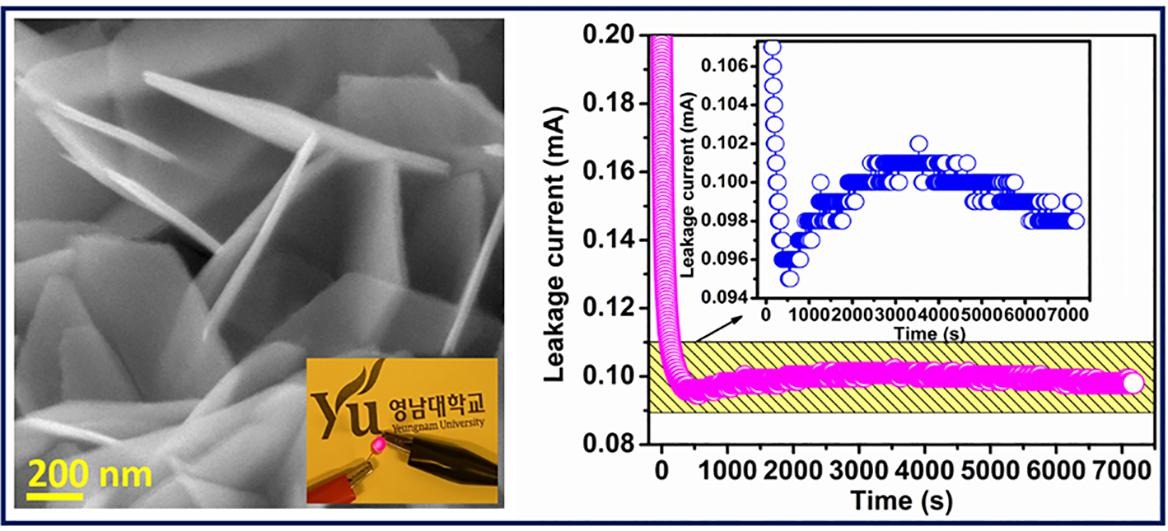
- 182
Electrochemical Ce(III)/Ce(IV) interconversion, electrodeposition, and catalytic CO ↔ CO2 interconversion over terpyridine-modified indium tin oxide electrodes
So Jeong Park; Ju Young Maeng; Min Hee Joo; Jun-Gill Kang; Choong Kyun Rhee; Youngku Sohn
J. Ind. Eng. Chem. 2022, 106, 520-536. DOI ↗ 📊 인용 ↗
📄 Abstract ▾
Indium tin oxide (ITO) has extensively used as an electrode in diverse application areas of electrochemistry, displays, photovoltaics, and catalysts. Herein, terpyridine-modified ITO and thio-terpyridine-functionalized Au-modified ITO electrodes were prepared and evaluated for electrochemical redox behaviors and conversion rates of Ce(III)/Ce(IV) ions, and recycling recovery rates on the newly developed electrode by cyclic voltammetry and amperometry. Scanning electron microscopy, X-ray photoelectron spectroscopy, Ultraviolet photoelectron spectroscopy, X-ray diffraction crystallography, and fluorescence spectroscopy were employed for the physiochemical properties of the demonstrated electrodes before and after electrochemistry. The interfacial energy level was examined by ultraviolet photoelectron spectroscopy for ITO-Au and ITO-Au-STpy. Density functional theory calculations were performed to examine complexation between the functionalized ligand and Ce(III)/Ce(IV) ions by obtaining molecular orbital energy levels and thermodynamics. Thermal CO oxidation catalytic activity was tested for Ce-electrodeposited ITO electrode. In addition, electrochemical CO2 reduction performance was evaluated for Au-modified ITO electrode with and without thio-terpyridine functionalization.
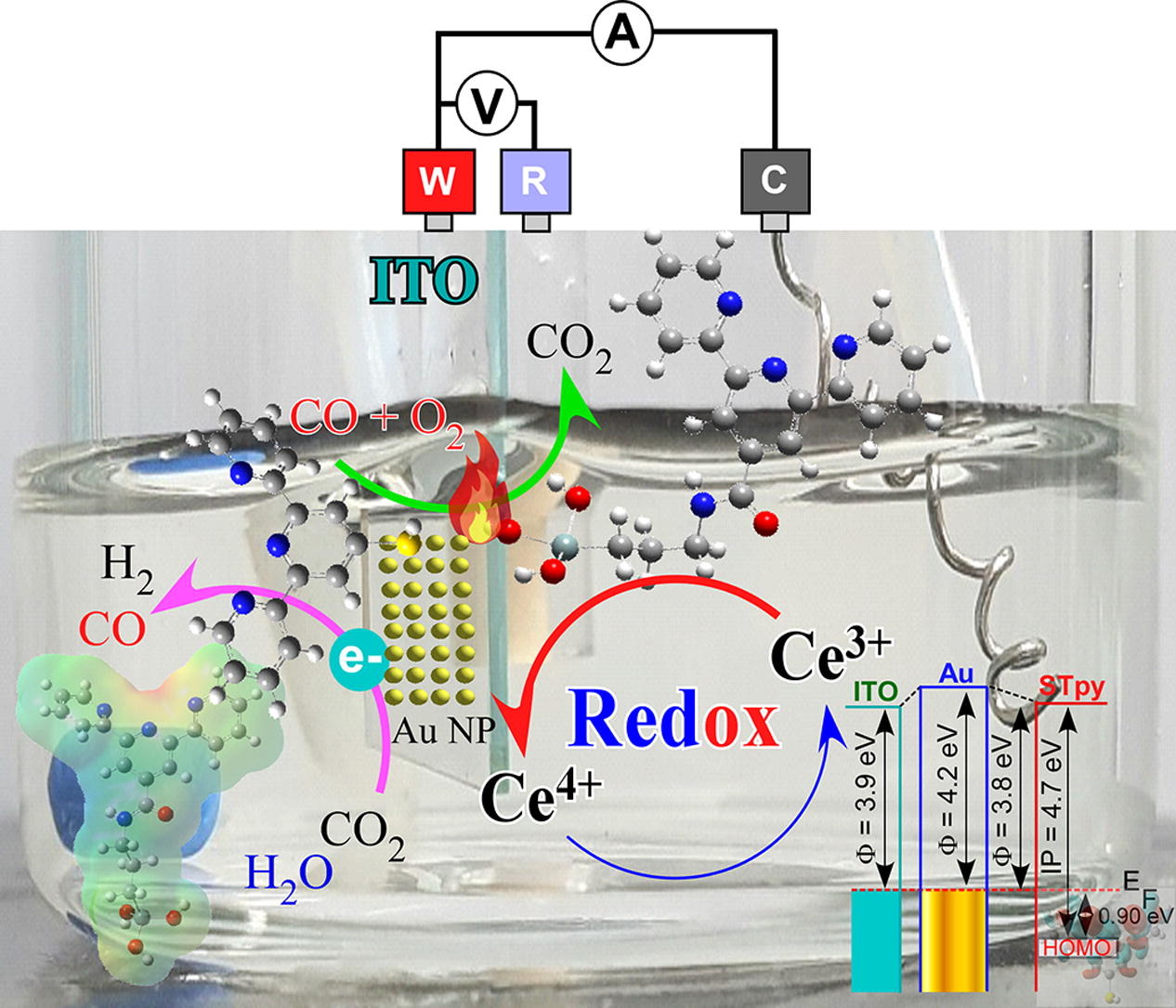
- 181
Current status, research gaps, and future scope for nanomaterials toward visible light photocatalysis
So Jeong Park; Ju Hyun Yang; Min Hee Joo; Youngku Sohn
Nanostructured Materials for Visible Light Photocatalysis 2022, 569-608. DOI ↗ 📊 인용 ↗
📄 Abstract ▾
Motivated by the ongoing energy and environmental issues, this chapter deals with the current status of diverse photocatalysts such as metal oxides, sulfides, nitrides, and carbon-based materials working under visible light irradiation by discussing recent review articles. The fundamentals and the application areas of photocatalysts are first discussed, and the application areas mainly include water splitting, CO2 reduction, and pollutant removal. For current trends of photocatalysts, (1) the design of photo(electro)catalyst reactors and (2) photocatalyst efficiency and modification of photocatalysts are discussed. The modification methods are categorized into (i) crystal phase/facet/crystallinity/morphology; (ii) sizes/defects/catalyst supports; (iii) heterojunction interface engineering; (iv) Z-scheme interfacing; (v) plasmonic photocatalysts; and (vi) metal/nonmetal doping and sensitizers. Finally, nonmetallic-based photocatalysts, photoelectrochemistry, and mimicking nature are discussed.
2021
- 180
PT-BI Co-Deposit Shell on AU Nanoparticle Core: High Performance and Long Durability for Formic Acid Oxidation
Young Jun Kim; Hyein Lee; Hee-Suk Chung; Youngku Sohn; Choong Kyun Rhee
Catalysts 2021, 11, 1049. DOI ↗ 📊 인용 ↗
📄 Abstract ▾
This work presents the catalysts of Pt-Bi shells on Au nanoparticle cores and Pt overlayers on the Pt-Bi shells toward formic acid oxidation (FAO). Pt and Bi were co-deposited on Au nanoparticles (Au NP) via the irreversible adsorption method using a mixed precursor solution of Pt and Bi ions, and the amount of the co-deposits was controlled with the repetition of the deposition cycle. Rinsing of the co-adsorbed ionic layers of Pt and Bi with a H2SO4 solution selectively removed the Bi ions to leave Pt-rich and Bi-lean ( 0.4 atomic %) co-deposits on Au NP (Pt-Bi/Au NP), conceptually similar to de-alloying. Additional Pt was deposited over Pt-Bi/Au NPs (Pt/Pt-Bi/Au NPs) to manipulate further the physicochemical properties of Pt-Bi/Au NPs. Transmission electron microscopy revealed the core–shell structures of Pt-Bi/Au NPs and Pt/Pt-Bi/Au NPs, whose shell thickness ranged from roughly four to six atomic layers. Moreover, the low crystallinity of the Pt-containing shells was confirmed with X-ray diffraction. Electrochemical studies showed that the surfaces of Pt-Bi/Au NPs were characterized by low hydrogen adsorption abilities, which increased after the deposition of additional Pt. Durability tests were carried out with 1000 voltammetric cycles between −0.26 and 0.4 V (versus Ag/AgCl) in a solution of 1.0 M HCOOH + 0.1 M H2SO4. The initial averaged FAO performance on Pt-Bi/Au NPs and Pt/Pt-Bi/Au NPs (0.11 ± 0.01 A/mg, normalized to the catalyst weight) was higher than that of a commercial Pt nanoparticle catalyst (Pt NP, 0.023 A/mg) by a factor of ~5, mainly due to enhancement of dehydrogenation and suppression of dehydration. The catalytic activity of Pt/Pt-Bi/Au NP (0.04 ± 0.01 A/mg) in the 1000th cycle was greater than that of Pt-Bi/Au NP (0.026 ± 0.003 A/mg) and that of Pt NP (0.006 A/mg). The reason for the higher durability was suggested to be the low mobility of surface Pt atoms on the investigated catalysts.
- 179
Photocatalytic and Electrocatalytic Properties of Cu-Loaded ZIF-67-Derivatized Bean Sprout-Like Co-TiO2/Ti Nanostructures
Hye Ji Jang; So Jeong Park; Ju Hyun Yang; Sung-Min Hong; Choong Kyun Rhee; Youngku Sohn
Nanomaterials 2021, 11, 1904. DOI ↗ 📊 인용 ↗
📄 Abstract ▾
ZIF-derivatized catalysts have shown high potential in catalysis. Herein, bean sprout-like Co-TiO2/Ti nanostructures were first synthesized by thermal treatment at 800 °C under Ar-flow conditions using sacrificial ZIF-67 templated on Ti sheets. It was observed that ZIF-67 on Ti sheets started to thermally decompose at around 350 °C and was converted to the cubic phase Co3O4. The head of the bean sprout structure was observed to be Co3O4, while the stem showed a crystal structure of rutile TiO2 grown from the metallic Ti support. Cu sputter-deposited Co-TiO2/Ti nanostructures were also prepared for photocatalytic and electrocatalytic CO2 reduction performances, as well as electrochemical oxygen reaction (OER). Gas chromatography results after photocatalytic CO2 reduction showed that CH3OH, CO and CH4 were produced as major products with the highest MeOH selectivity of 64% and minor C2 compounds of C2H2, C2H4 and C2H6. For electrocatalytic CO2 reduction, CO, CH4 and C2H4 were meaningfully detected, but H2 was dominantly produced. The amounts were observed to be dependent on the Cu deposition amount. Electrochemical OER performances in 0.1 M KOH electrolyte exhibited onset overpotentials of 330–430 mV (vs. RHE) and Tafel slopes of 117–134 mV/dec that were dependent on Cu-loading thickness. The present unique results provide useful information for synthesis of bean sprout-like Co-TiO2/Ti hybrid nanostructures and their applications to CO2 reduction and electrochemical water splitting in energy and environmental fields.
- 178
Electrochemical Ce(III)/Ce(IV) Redox Behavior and Ce Oxide Nanostructure Recovery over Thio-Terpyridine-Functionalized Au/Carbon Paper Electrodes
So Jeong Park; Min Hee Joo; Ju Hyun Yang; Sung-Min Hong; Choong Kyun Rhee; Jun-Gill Kang; Youngku Sohn
ACS Applied Materials & Interfaces 2021, 13, 27594-27611. DOI ↗ 📊 인용 ↗
📄 Abstract ▾
Understanding the electrochemical behaviors of Ce(III)/Ce(IV) ions is essential for better treatment, separation, and recycling of lanthanide (Ln) and actinide (An) elements. Herein, electrochemical redox behavior and interconversion of Ce(III)/Ce(IV) ions and their recoveries were demonstrated over newly developed thio-terpyridine-functionalized Au-modified carbon paper electrodes in acidic and neutral electrolytes. Cyclic voltammetry and amperometry were performed for the electrodes with and without thio-terpyridine functionalization. Ce oxide nanostructure recovery was successfully conducted by amperometry, and the electrodeposited nanostructured Ce materials were fully characterized by scanning electron microscopy, high-resolution transmission electron microscopy, X-ray diffraction crystallography, and X-ray photoelectron spectroscopy. Geometry optimization and the electronic energy state calculations were conducted by density functional theory at the B3LYP/GENECP level for the complexes of Ce(III) and Ce(IV) ions with the thio-terpyridine in an aqueous state. The present unique results provide valuable information on understanding redox behaviors of Ln and An ions for their recycling and treatment processes.
- 177
Electrochemical behaviors and electrodeposited materials of lanthanides (La, Ce, Pr, Nd, Sm, Eu, Gd, Tb, Dy, Ho, Er, Tm, and Yb) on terpyridine-functionalized Ti sheets
Min Hee Joo; So Jeong Park; Sung-Min Hong; Choong Kyun Rhee; Youngku Sohn
Materials Today Communications 2021, 27, 102305. DOI ↗ 📊 인용 ↗
📄 Abstract ▾
Electrochemical recovery of lanthanide metals has been a very important process for the treatments of nuclear and electronic wastes. In the present study, we established a big data set of lanthanide (III) (La, Ce, Pr, Nd, Sm, Eu, Gd, Tb, Dy, Ho, Er, Tm, and Yb) ions on electrochemical behaviors and electrodeposition over bare and terpyridine-functionalized Ti sheets. Cyclic voltammetry and amperometry experiments were performed in a 0.1 M NaClO4 supporting electrolyte. The electrodeposited films were fully examined by scanning electron microscopy, Fourier-transform infrared (FT-IR) spectroscopy, energy dispersive X-ray spectroscopy (EDXS), X-ray photoelectron spectroscopy, and photoluminescence. FT-IR and EDXS data confirmed that all the electrodeposited lanthanide materials were of a similar lanthanide complex. Photoluminescence imaging profiles were also obtained for selected Eu(III)-deposited films. The newly established data set could be very useful for understanding electrochemical behaviors of lanthanide ions, improvement of recovery method, and fabrication of catalyst electrode materials by electrodeposition.
- 176
Electrochemistry, Electrodeposition, and Photoluminescence of Eu (III)/Lanthanides (III) on Terpyridine-Functionalized Ti Nanospikes
Min Hee Joo; So Jeong Park; Hye Ji Jang; Sung-Min Hong; Choong Kyun Rhee; Youngku Sohn
Metals 2021, 11, 977. DOI ↗ 📊 인용 ↗
📄 Abstract ▾
Terpyridine-functionalized Ti nanospike electrodes (TiNS-SiTpy) were developed and applied to cyclic voltammetry and amperometry of Ln (La, Ce, Pr, Nd, Sm, Eu, Gd, Tb, Dy, Ho, Er, Tm, and Yb) ions and mixed Eu (III) + Ln (III) ions in a 0.1 M NaClO4 electrolyte. Electrodeposition was successfully performed over TiNS-SiTpy electrodes, which were fully examined by scanning electron microscopy, X-ray diffraction crystallography, Fourier-transform infrared spectroscopy, energy dispersive X-ray spectroscopy, X-ray photoelectron spectroscopy, photoluminescence (PL), and PL decay kinetics. The Gd and Tb ions were found to increase PL intensities with 10× longer lifetimes of 1.32 μs and 1.03 μs, respectively, compared with that of the electrodeposited Eu sample. The crystal phase and the oxidation states were fully examined for the mixed Ln (Eu + Gd and Eu + Tb) complex structures.
- 175
Thermal CO Oxidation and Photocatalytic CO2 Reduction over Bare and M-Al2O3 (M = Co, Ni, Cu, Rh, Pd, Ag, Ir, Pt, and Au) Cotton-Like Nanosheets
Hee Jung Yoon; Ju Hyun Yang; So Jeong Park; Youngku Sohn
Nanomaterials 2021, 11, 1278. DOI ↗ 📊 인용 ↗
📄 Abstract ▾
Aluminum oxide (Al2O3) has abundantly been used as a catalyst, and its catalytic activity has been tailored by loading transition metals. Herein, γ-Al2O3 nanosheets were prepared by the solvothermal method, and transition metals (M = Co, Ni, Cu, Rh, Pd, Ag, Ir, Pt, and Au) were loaded onto the nanosheets. Big data sets of thermal CO oxidation and photocatalytic CO2 reduction activities were fully examined for the transition metal-loaded Al2O3 nanosheets. Their physicochemical properties were examined by scanning electron microscopy, high-resolution transmission electron microscopy, X-ray diffraction crystallography, and X-ray photoelectron spectroscopy. It was found that Rh, Pd, Ir, and Pt-loading showed a great enhancement in CO oxidation activity while other metals negated the activity of bare Al2O3 nanosheets. Rh-Al2O3 showed the lowest CO oxidation onset temperature of 172 °C, 201 °C lower than that of bare γ-Al2O3. CO2 reduction experiments were also performed to show that CO, CH3OH, and CH4 were common products. Ag-Al2O3 nanosheets showed the highest performances with yields of 237.3 ppm for CO, 36.3 ppm for CH3OH, and 30.9 ppm for CH4, 2.2×, 1.2×, and 1.6× enhancements, respectively, compared with those for bare Al2O3. Hydrogen production was found to be maximized to 20.7 ppm during CO2 reduction for Rh-loaded Al2O3. The present unique pre-screening test results provided very useful information for the selection of transition metals on Al2O3-based energy and environmental catalysts.
- 174
Enhanced Photoluminescence of Electrodeposited Europium Complex on Bare and Terpyridine-Functionalized Porous Si Surfaces
Min Hee Joo; So Jeong Park; Hye Ji Jang; Sung-Min Hong; Choong Kyun Rhee; Youngku Sohn
Photochem 2021, 1, 38-52. DOI ↗ 📊 인용 ↗
📄 Abstract ▾
The trivalent Eu(III) ion exhibits unique red luminescence and plays an significant role in the display industry. Herein, the amperometry electrodeposition method was employed to electrodeposit Eu(III) materials on porous Si and terpyridine-functionalized Si surfaces. The electrodeposited materials were fully characterized by scanning electron microscopy, X-ray diffraction crystallography, Fourier-transform infrared spectroscopy, and X-ray photoelectron spectroscopy. Photoluminescence (PL) spectroscopy revealed that PL signals were substantially increased upon deposition on porous Si surfaces. PL signals were mainly due to direct excitation and charge-transfer-indirect excitations before and after thermal annealing, respectively. The as-electrodeposited materials were of a Eu(III) complex consisting of OH, H2O, NO3−, and CO32− groups. The complex was transformed to Eu2O3 upon thermal annealing at 700 °C. The electrodeposition on porous surfaces provide invaluable information on the fabrication of thin films for displays, as well as photoelectrodes for catalyst applications.
- 173
Electrodeposition and Characterization of Lanthanide Elements on Carbon Sheets
Min Hee Joo; So Jeong Park; Sung-Min Hong; Choong Kyun Rhee; Dongsoo Kim; Youngku Sohn
Coatings 2021, 11, 100. DOI ↗ 📊 인용 ↗
📄 Abstract ▾
Electrochemical coating and recovery by electrodeposition have been invaluably employed for facial thin film fabrication and the recycling of used materials. Herein, we have established a full data set of lanthanide (Ln: La, Ce, Pr, Nd, Sm, Eu, Gd, Tb, Dy, Ho, Er, Tm, and Yb) elements electrodeposited on carbon sheets. Cyclic voltammetry was performed for 10 mM Ln(III) ions in a 0.1 M NaClO4 electrolyte over a carbon sheet between +0.5 V and −1.7 V (vs. Ag/AgCl). Amperometry was performed at a given potential to electrodeposit the Ln element on the carbon sheet. Their physicochemical properties were fully investigated by scanning electron microscopy, Fourier-transform infrared spectroscopy, energy-dispersive X-ray spectroscopy, and X-ray photoelectron spectroscopy. The newly established full data set for Ln(III) ions over carbon electrodes provides useful fundamental information for the development of coating and recovery methods of Ln elements.
- 172
Electrochemical Eu(iii) behaviours and Eu oxysulfate recovery over terpyridine-functionalized indium tin oxide electrodes
So Jeong Park; Min Hee Joo; Sung-Min Hong; Jun-Gill Kang; Choong Kyun Rhee; Sung Woo Lee; Youngku Sohn
Inorganic Chemistry Frontiers 2021, 8, 1175-1188. DOI ↗ 📊 인용 ↗
📄 Abstract ▾
The Eu element was recovered as EuSO 4 over new terpyridine-functionalized ITO by an electrochemical method and luminescent Eu 2 O 2 SO 4 was obtained by post-thermal annealing.
2020
- 171
Electrochemical Recovery and Behaviors of Rare Earth (La, Ce, Pr, Nd, Sm, Eu, Gd, Tb, Dy, Ho, Er, Tm, and Yb) Ions on Ni Sheets
Min Hee Joo; So Jeong Park; Sung Min Hong; Choong Kyun Rhee; Youngku Sohn
Materials 2020, 13, 5314. DOI ↗ 📊 인용 ↗
📄 Abstract ▾
The electrochemical behaviors of rare earth (RE) ions have extensively been studied because of their high potential applications to the reprocessing of used nuclear fuels and RE-containing materials. In the present study, we fully investigated the electrochemical behaviors of RE(III) (La, Ce, Pr, Nd, Sm, Eu, Gd, Tb, Dy, Ho, Er, Tm, and Yb) ions over a Ni sheet electrode in 0.1 M NaClO4 electrolyte solution by cyclic voltammetry between +0.5 and −1.5 V (vs. Ag/AgCl). Amperometry electrodeposition experiments were performed between −1.2 and −0.9 V to recover RE elements over the Ni sheet. The successfully RE-recovered Ni sheets were fully characterized by scanning electron microscopy, energy dispersive X-ray spectroscopy, Fourier transform infrared spectroscopy, X-ray photoelectron spectroscopy, and photoluminescence spectroscopy. The newly reported recovery data for RE(III) ions over a metal electrode provide valuable information on the development of the treatment methods of RE elements.
- 170
Photocatalytic CO2 Reduction and Electrocatalytic H2 Evolution over Pt(0,II,IV)-Loaded Oxidized Ti Sheets
Ju Hyun Yang; So Jeong Park; Choong Kyun Rhee; Youngku Sohn
Nanomaterials 2020, 10, 1909. DOI ↗ 📊 인용 ↗
📄 Abstract ▾
Energy recycling and production using abundant atmospheric CO2 and H2O have increasingly attracted attention for solving energy and environmental problems. Herein, Pt-loaded Ti sheets were prepared by sputter-deposition and Pt4+-reduction methods, and their catalytic activities on both photocatalytic CO2 reduction and electrochemical hydrogen evolution were fully demonstrated. The surface chemical states were completely examined by X-ray photoelectron spectroscopy before and after CO2 reduction. Gas chromatography confirmed that CO, CH4, and CH3OH were commonly produced as CO2 reduction products with total yields up to 87.3, 26.9, and 88.0 μmol/mol, respectively for 700 °C-annealed Ti under UVC irradiation for 13 h. Pt-loading commonly negated the CO2 reduction yields, but CH4 selectivity was increased. Electrochemical hydrogen evolution reaction (HER) activity showed the highest activity for sputter-deposited Pt on 400 °C-annealed Ti with a HER current density of 10.5 mA/cm2 at −0.5 V (vs. Ag/AgCl). The activities of CO2 reduction and HER were found to be significantly dependent on both the nature of Ti support and the oxidation states (0,II,IV) of overlayer Pt. The present result could provide valuable information for designing efficient Pt/Ti-based CO2 recycle photocatalysts and electrochemical hydrogen production catalysts.
- 169
Energy Storage and CO2 Reduction Performances of Co/Co2C/C Prepared by an Anaerobic Ethanol Oxidation Reaction Using Sacrificial SnO2
Young In Choi; Ju Hyun Yang; So Jeong Park; Youngku Sohn
Catalysts 2020, 10, 1116. DOI ↗ 📊 인용 ↗
📄 Abstract ▾
Co/Co2C/C hybrids were prepared employing a new synthetic route and demonstrated as materials for energy storage and CO2 recycling application. Herein, an anaerobic ethanol oxidation reaction over Co3O4 nanoparticles (NPs) was first employed to fabricate Co/Co2C/C hybrids using sacrificial SnO2. In the absence of SnO2, Co3O4 NPs were converted to alpha and beta metallic Co. On the other hand, using sacrificial SnO2 resulted in the formation of Co2C and Co embedded in the carbon matrix at approximately 450 °C, as determined by temperature-programmed mass spectrometry analysis. The newly developed materials were fully examined by X-ray diffraction crystallography, scanning electron microscopy, energy-dispersive X-ray analysis, high-resolution transmission electron microscopy, and X-ray photoelectron spectroscopy. The Co/Co2C/C hybrids showed a specific capacitance of 153 F/g at a current density of 0.5 A/g. Photocatalytic CO2 reduction experiments were performed and generated CO, CH4, and CH3OH as reduction products with yields of 47.7, 11.0, and 23.4 μmol/g, respectively. The anaerobic ethanol oxidation reaction could be a very useful method for the development of carbon-supported metal carbides, which have not been achieved by other synthetic methods. Furthermore, the demonstration tests unveiled new application areas of Co carbide materials.
- 167
Pt Deposits on Bi/Pt NP Catalyst for Formic Acid Oxidation: Catalytic Enhancement and Longer Lifetime
Hyein Lee; Youngku Sohn; Choong Kyun Rhee
Langmuir 2020, 36, 5359-5368. DOI ↗ 📊 인용 ↗
📄 Abstract ▾
This work presents an improvement in the activity and catalytic lifetime of Pt deposits on Bi-modified Pt nanoparticles (Bi/Pt NP) toward formic acid oxidation (FAO). Using an irreversible adsorption method, Bi was deposited on Pt NP to form Bi/Pt NP and sequentially Pt was deposited on Bi/Pt NP to form Pt/Bi/Pt NP. Voltammetric studies of Pt NP, Bi/Pt NP, and Pt/Bi/Pt NPs supported that Pt deposits of Pt/Bi/Pt NPs provided quite a unique behavior: simultaneous surface oxidation of deposited Pt and Bi and significant resistance to the oxidative removal of Bi. Furthermore, combined spectroscopic investigations revealed that the concentration of the employed Pt precursor ion solution determined the amount of deposited Pt from ∼0.2 to ∼0.4 in coverage. The best Pt/Bi/Pt NP catalyst with a Pt coverage of ∼0.25 enhanced the dehydrogenation processes below ∼0.4 V by a factor of more than 2 and increased the FAO current at ∼0.8 V roughly by 15 times, referring to those of Bi/Pt NP. The lifetime measurement works revealed that after the 1000th voltammetric cycle to 0.4 V, the FAO currents of Pt/Bi/Pt NPs were 2 and 4 times higher than those of Bi/Pt NP and Pt NP, respectively. The Pt deposits on Bi/Pt NP were concluded to play two roles in FAO: the promotion of FAO processes to increase the activity and the retardation of Bi oxidative removal to maintain the activity much longer.
- 166
A novel RGO/N-RGO supercapacitor architecture for a wide voltage window, high energy density and long-life via voltage holding tests
Rajneesh Kumar Mishra; Gyu Jin Choi; Youngku Sohn; Seung Hee Lee; Jin Seog Gwag
Chem. Commun. 2020, 56, 2893-2896. DOI ↗ 📊 인용 ↗
📄 Abstract ▾
Here, we demonstrated a unique symmetric supercapacitor (SSC) device architecture based on reduced graphene oxide (RGO) and nitrogen-doped RGO (N-RGO) electrodes. The RGO/N-RGO SSC shows a wide voltage window (2.2 V), high energy density (106.3 W h kg-1), and ultra-high power density (15184.8 W kg-1). The RGO/N-RGO SSC also delivers outstanding stability of 95.5% over 10 000 galvanostatic charging-discharging tests and 90.5% over 8 h of voltage holding tests. Additionally, this work explores a better understanding of leakage current and self-discharge mechanisms, which justifies the excellent state of health of the RGO/N-RGO SSC device.
2019
- 165
Spray drying formation of metal oxide (TiO2 or SnO2) nanoparticle coated boron particles in the form of microspheres and their physicochemical properties
Haneol Lee; P.R. Deshmukh; Jong Hun Kim; Hyung Soo Hyun; Youngku Sohn; Weon Gyu Shin
J. Alloys Compd. 2019, 810, 151923. DOI ↗ 📊 인용 ↗
📄 Abstract ▾
In the present study, metal oxide (TiO2 or SnO2) nanoparticles were coated on boron particles using a facile spray drying technique. The coating of metal oxide nanoparticles on the boron surface was varied by changing the weight ratio of metal oxide nanoparticles to boron particles. The crystalline structure of the metal oxide nanoparticles was mainly retained without any additional phase formation on the metal oxide coated boron particles, as identified by XRD. FIB-SEM images showed that the TiO2 or SnO2 coated boron particles formed microspheres with diameters between 5 and 10 μm. FIB-cross sectional images indicated the microspheres had a porous structure, and every individual boron particle was coated by metal oxide nanoparticles. The line scanning profile, elemental mapping and corresponding EDAX spectra results indicated the boron particles were well coated with metal oxide nanoparticles, and confirmed the presence of respective elements in the samples, respectively. TEM study showed the fine coating of metal oxide nanoparticles on the surface of the boron particles. The surface elemental composition was identified with XPS, and revealed the strong interaction between the metal oxide and boron particles. The thermal behavior of the boron, metal oxide and metal oxide nanoparticle coated boron particles was studied in the presence of nitrogen and air atmosphere using thermogravimetric analysis. The TGA of the metal oxide nanoparticle coated boron particles showed enhanced oxidation-resistance performance in the presence of air atmosphere.
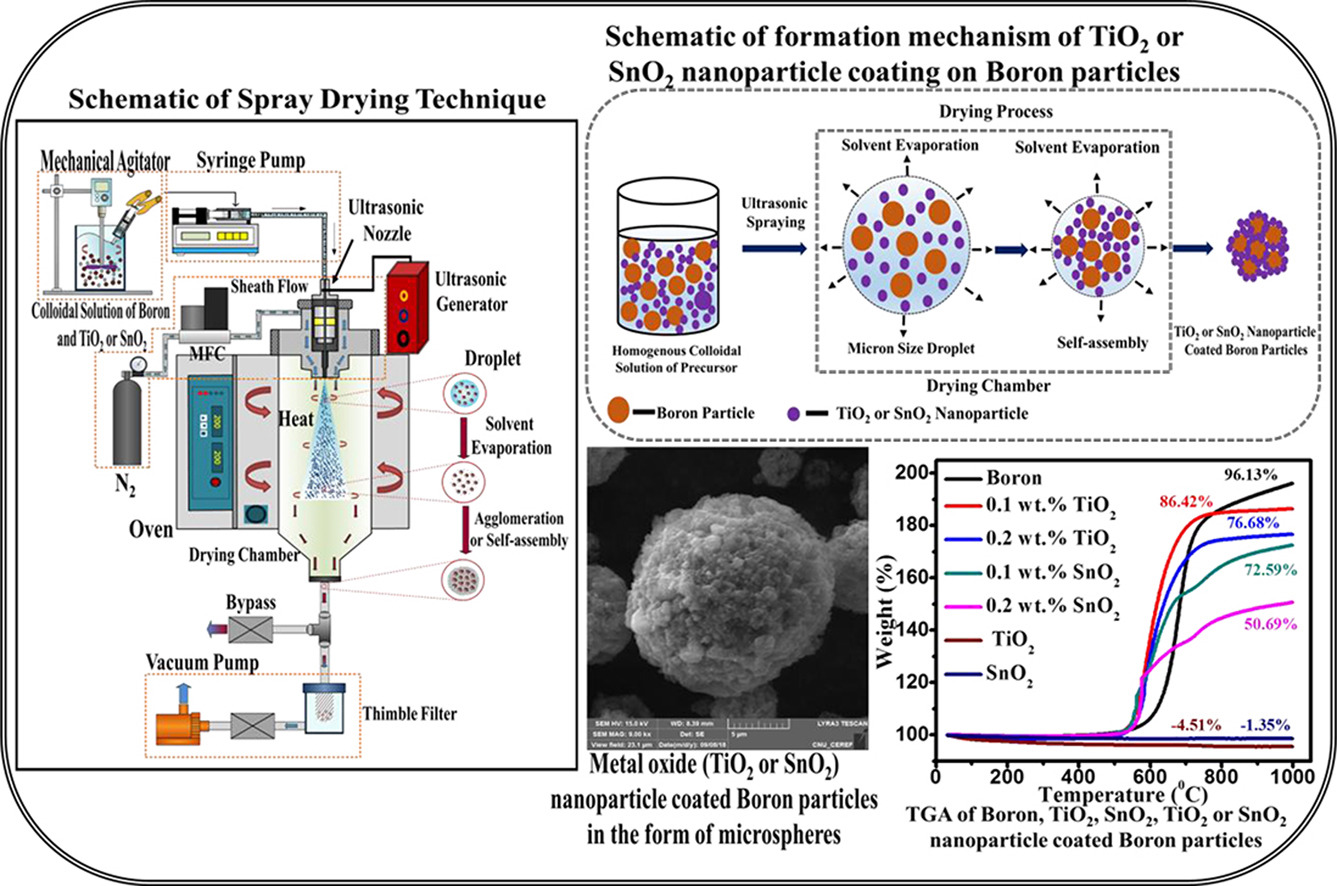
- 164
Reduced graphene oxide based supercapacitors: Study of self-discharge mechanisms, leakage current and stability via voltage holding tests
Rajneesh Kumar Mishra; Gyu Jin Choi; Youngku Sohn; Seung Hee Lee; Jin Seog Gwag
Mater. Lett. 2019, 253, 250-254. DOI ↗ 📊 인용 ↗
📄 Abstract ▾
Herein, we report the electrochemical properties such as self-discharge, leakage current and voltage holding tests (VHTs) of reduced graphene oxide (RGO) based solid-state symmetric supercapacitors (SSCs). SSC device demonstrates wide potential window (1.2 V), high specific capacity of 110.3 mA h g−1 at 1 A g−1, high energy density of 22.1 W h kg−1 and ultra-high power density of 7304.5 W kg−1. Further, SSC device depicts the high stability of 89.4% after 10,000 galvanostatic charge/discharge (GCD) cycles and 82.3% after 20 h VHTs. It also shows the small leakage current of 0.029 mA. Furthermore, SSC device retains the voltage of 0.7 V of its initial voltage (1.2 V) after 1 h self-discharge test, which suggests good state of health of the SSC device.
- 163
Electrochemical hydrogen evolution and CO2 reduction over hierarchical MoSxSe2-x hybrid nanostructures
Hye In Lee; Hwanhee Yu; Choong Kyun Rhee; Youngku Sohn
Appl. Surf. Sci. 2019, 489, 976-982. DOI ↗ 📊 인용 ↗
📄 Abstract ▾
Hydrogen production and CO2 energy conversion have increasingly attracted attention and developing electrochemical energy catalysts has widely been performed to achieve clean energy and energy-recycle goals. Herein, hierarchical MoSxSe2-x hybrid nanostructures were synthesized by the hydrothermal method, and the fundamental physiochemical properties were fully characterized by X-ray diffraction crystallography, scanning electron microscopy, high-resolution transmission electron microscopy, elemental mapping, Raman, and X-ray photoelectron spectroscopy. Electrochemical hydrogen evolution reaction was tested in an acidic electrolyte to show a catalytic activity order of MoS2
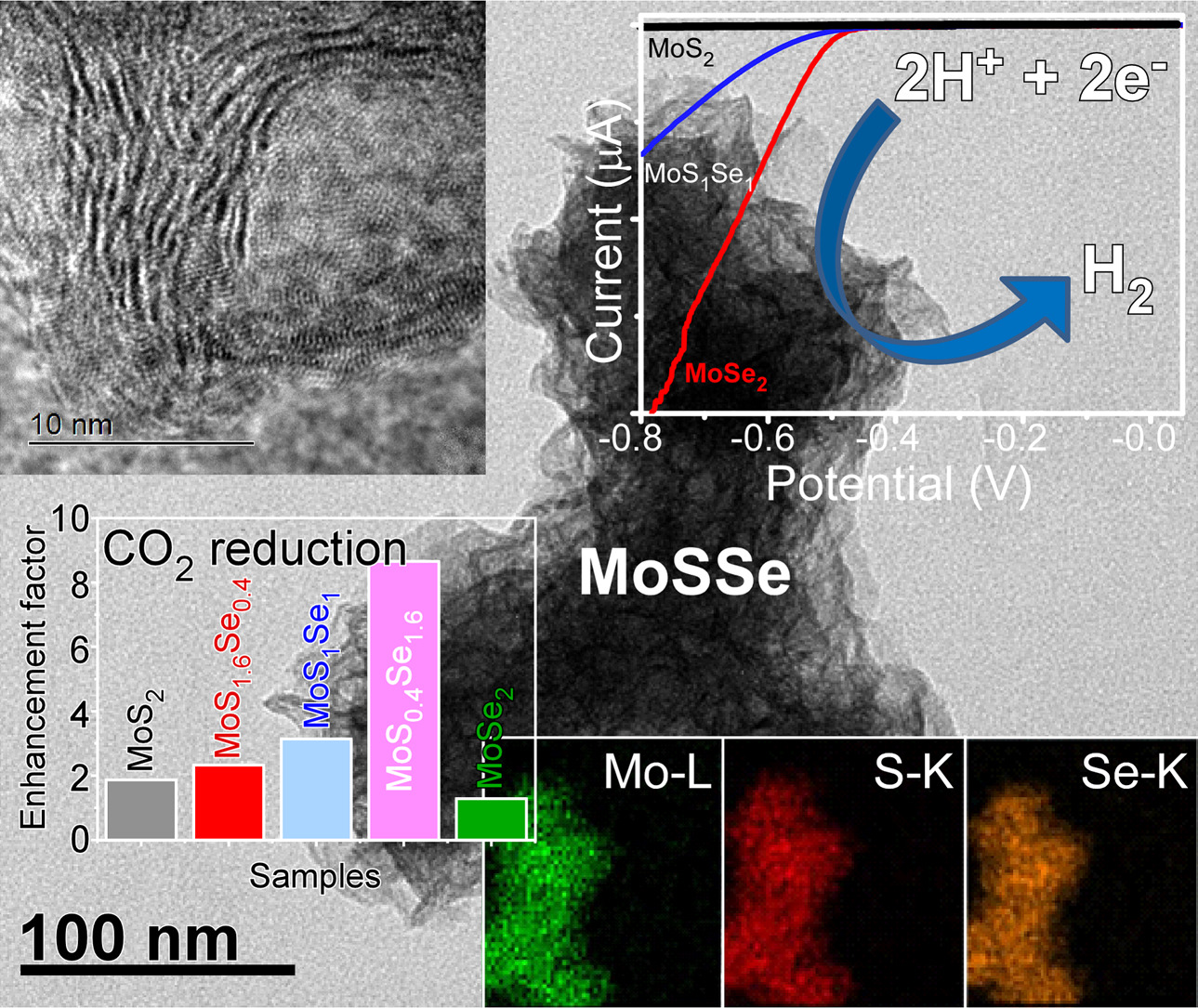
- 162
Photoluminescence imaging of europium (III)‐doped γ‐Al2O3 nanofiber structures
So Jeong Park; Choong Kyun Rhee; Youngku Sohn
Luminescence 2019, 34, 838-845. DOI ↗ 📊 인용 ↗
📄 Abstract ▾
Aluminium oxide (Al 2 O 3 ) has widely been used for catalysts, insulators, and composite materials for diverse applications. Herein, we demonstrated if γ‐Al 2 O 3 was useful as a luminescence support material for europium (Eu) (III) activator ion. The hydrothermal method and post‐thermal treatment at 800°C were employed to synthesize Eu(III)‐doped γ‐Al 2 O 3 nanofibre structures. Luminescence characteristics of Eu(III) ions in Al 2 O 3 matrix were fully understood by taking 2D and 3D‐photoluminescence imaging profiles. Various sharp emissions between 580 to 720 nm were assigned to the 5 D 0 → 7 F J (J = 0, 1, 2, 3, 4) transitions of Eu(III) activators. On the basis of X‐ray diffraction crystallography, Auger elemental mapping and the asymmetry ratio, Eu(III) ions were found to be well doped into the γ‐Al 2 O 3 matrix at a low (1 mol%) doping level. A broad emission at 460 nm was substantially increased upon higher (2 mol%) Eu(III) doping due to defect creation. The first 3D photoluminescence imaging profiles highlight detailed understanding of emission characteristics of Eu(III) ions in Al oxide‐based phosphor materials and their potential applications.
- 161
Nitrogen-doped reduced graphene oxide as excellent electrode materials for high performance energy storage device applications
Rajneesh Kumar Mishra; Gyu Jin Choi; Youngku Sohn; Seung Hee Lee; Jin Seog Gwag
Mater. Lett. 2019, 245, 192-195. DOI ↗ 📊 인용 ↗
📄 Abstract ▾
Herein, we studied the nitrogen-doped reduced graphene oxide (N-doped RGO) as an excellent electrode materials in energy storage applications. The N-doped RGO based solid-state symmetric supercapacitor (SSC) device shows high specific capacity (141.1 mA h g−1) and high energy density (28.2 W h kg−1). The N-doped RGO based SSC device illustrates the notable stabilities of ∼95.4% via 10,000 galvanostatic charging-discharging (GCD) cycles and ∼93.2% via 8 h voltage holding tests. Additionally, the N-doped RGO based SSC device shows outstanding self-discharge properties, which retains the voltages of 0.65 V, 0.69 V, 0.68 V and 0.70 V of its initial voltage (1.2 V) after each GCD cycling + 2 h voltage holding test + 2 h self-discharge test, respectively, which vindicates the excellent state of health of the supercapacitor device.
- 160
ZnO-TiO2 core-shell nanowires decorated with Au nanoparticles for plasmon-enhanced photoelectrochemical water splitting
Jinse Park; P.R. Deshmukh; Youngku Sohn; Weon Gyu Shin
J. Alloys Compd. 2019, 787, 1310-1319. DOI ↗ 📊 인용 ↗
📄 Abstract ▾
The present work reports the development of Au-nanoparticle decorated ZnO-TiO2 core-shell nanowires on the Si-wafer. The developed Au-nanoparticle decorated ZnO-TiO2 core-shell nanowires exhibit a unique structure with uniform sensitization of Au-nanoparticles with the diameter in the range of 5–9 nm on the ZnO-TiO2 core-shell heterostructure. This unique structure of Au-nanoparticle decorated ZnO-TiO2 core-shell nanowires demonstrates an enhanced photocurrent density of 1.63 mAcm−2 upon illumination by visible light unveiling high photoelectrochemical water splitting activity. This photocurrent density is higher than the pristine ZnO nanowires (0.51 mAcm−2) and ZnO-TiO2 core-shell nanowires (1.23 mAcm−2). Furthermore, photoelectrochemical water splitting efficiency of Au-nanoparticle decorated ZnO-TiO2 core-shell nanowires was found to be 0.70%, which is higher than the ZnO nanowires (0.22%) and ZnO-TiO2 core-shell nanowires (0.53%) at the same applied potential of +0.8 VRHE. The improved photocurrent density and efficiency is due to the enhanced absorbance in the visible region owing to the surface plasmon resonance effect of Au-nanoparticle, effective withdrawal of hot electron from the Au-nanoparticle at the interface of metal/semiconductor due to Schottky barrier as well as excellent charge-separation and transportation originating from the core-shell nanowires.
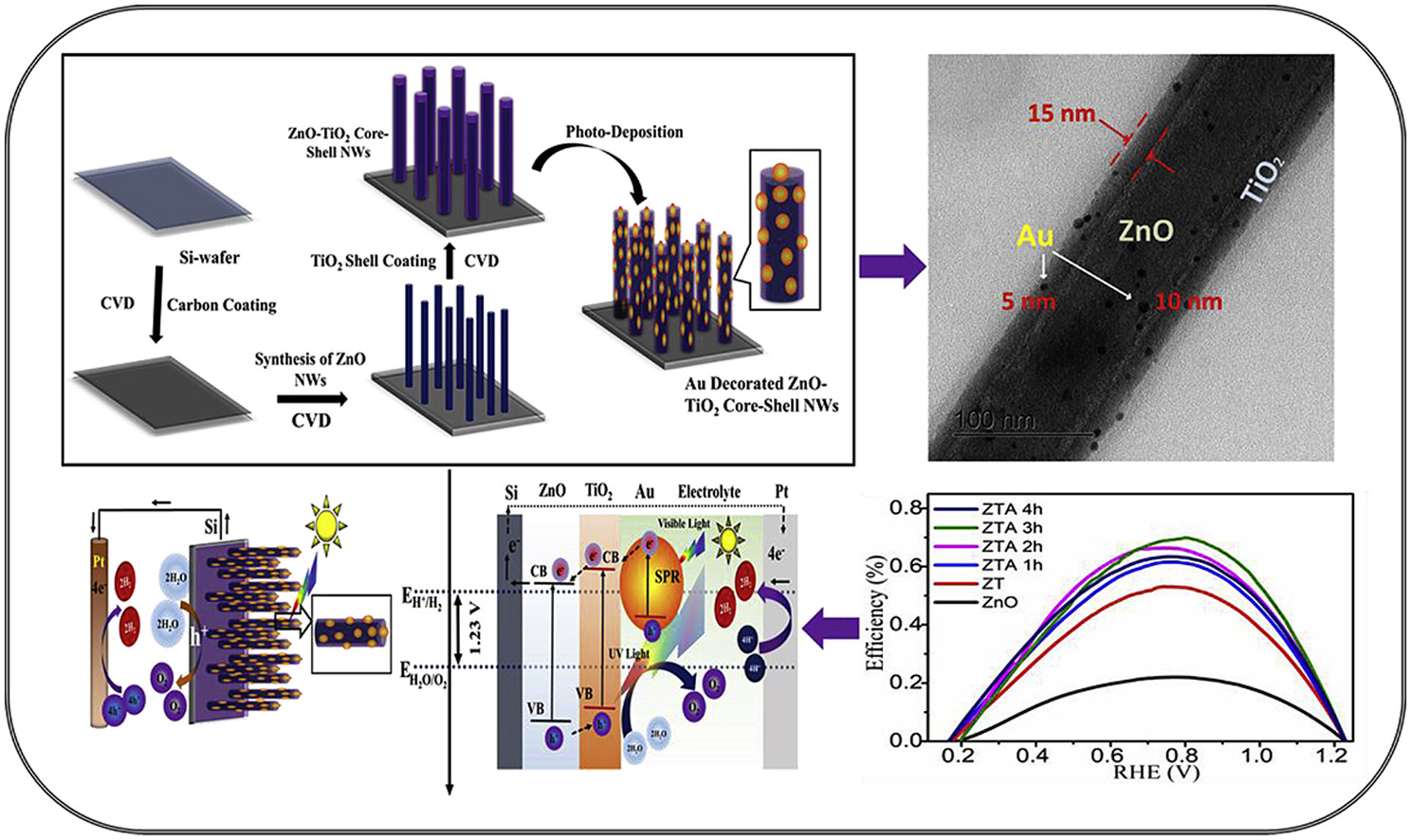
- 159
Photoelectrochemical Hydrogen Evolution and CO2 Reduction over MoS2/Si and MoSe2/Si Nanostructures by Combined Photoelectrochemical Deposition and Rapid-Thermal Annealing Process
Sungmin Hong; Choong Kyun Rhee; Youngku Sohn
Catalysts 2019, 9, 494. DOI ↗ 📊 인용 ↗
📄 Abstract ▾
Diverse methods have been employed to synthesize MoS2 and MoSe2 catalyst systems. Herein, a combined photoelectrochemical (PEC) deposition and rapid-thermal annealing process has first been employed to fabricate MoS2 and MoSe2 thin films on Si substrates. The newly developed transition-metal dichalcogenides were characterized by scanning electron microscopy, Raman spectroscopy and X-ray photoelectron spectroscopy. PEC hydrogen evolution reaction (HER) was demonstrated in an acidic condition to show a PEC catalytic performance order of MoOx/Si MoS2/Si MoSe2/Si under the visible light-on condition. The HER activity (4.5 mA/cm2 at −1.0 V vs Ag/AgCl) of MoSe2/Si was increased by 4.8× compared with that under the dark condition. For CO2 reduction, the PEC activity was observed to be in the order of MoS2/Si MoOx/Si MoSe2/Si under the visible light-on condition. The reduction activity (0.127 mA/cm2) of MoSe2/Si was increased by 9.3× compared with that under the dark condition. The combined electrochemical deposition and rapid-thermal annealing method could be a very useful method for fabricating a thin film state catalytic system perusing hydrogen production and CO2 energy conversion.
- 158
Enhanced electrochemical hydrogen evolution over defect-induced hybrid MoO3/Mo3O9·H2O microrods
Ja In Gu; Jisuk Lee; Choong Kyun Rhee; Youngku Sohn
Appl. Surf. Sci. 2019, 469, 348-356. DOI ↗ 📊 인용 ↗
📄 Abstract ▾
Defected surface modification of metal oxides and hybridization of two crystal phases have been a good strategy of improving a catalytic performance by creating more active sites. Herein, MoO3, Mo3O9·H2O and their hybrid microrods were synthesized by the hydrothermal method, and the corresponding defect induced structures were prepared by the post hydrothermal treatment. The fundamental physiochemical properties were fully elucidated by scanning electron microscopy, high-resolution transmission electron microscopy, X-ray diffraction crystallography, Fourier transform infrared spectroscopy, Raman, UV–visible absorption spectroscopy, photoluminescence, and X-ray photoelectron spectroscopy. It was demonstrated that the hydrogen evolution reaction (HER) activity of the defect-induced hybrid MoO3/Mo3O9·H2O microrods was dramatically enhanced by 100×, compared with other structures. On the basis of the experimental results, induced defects, coupled oxidation states of Mo5+ and Mo6+, and the hybrids were shown to play crucial roles in the enhancement. The present defect modification in the hybrid structure could be a very useful strategy of improving catalytic activity in various catalyst application fields.
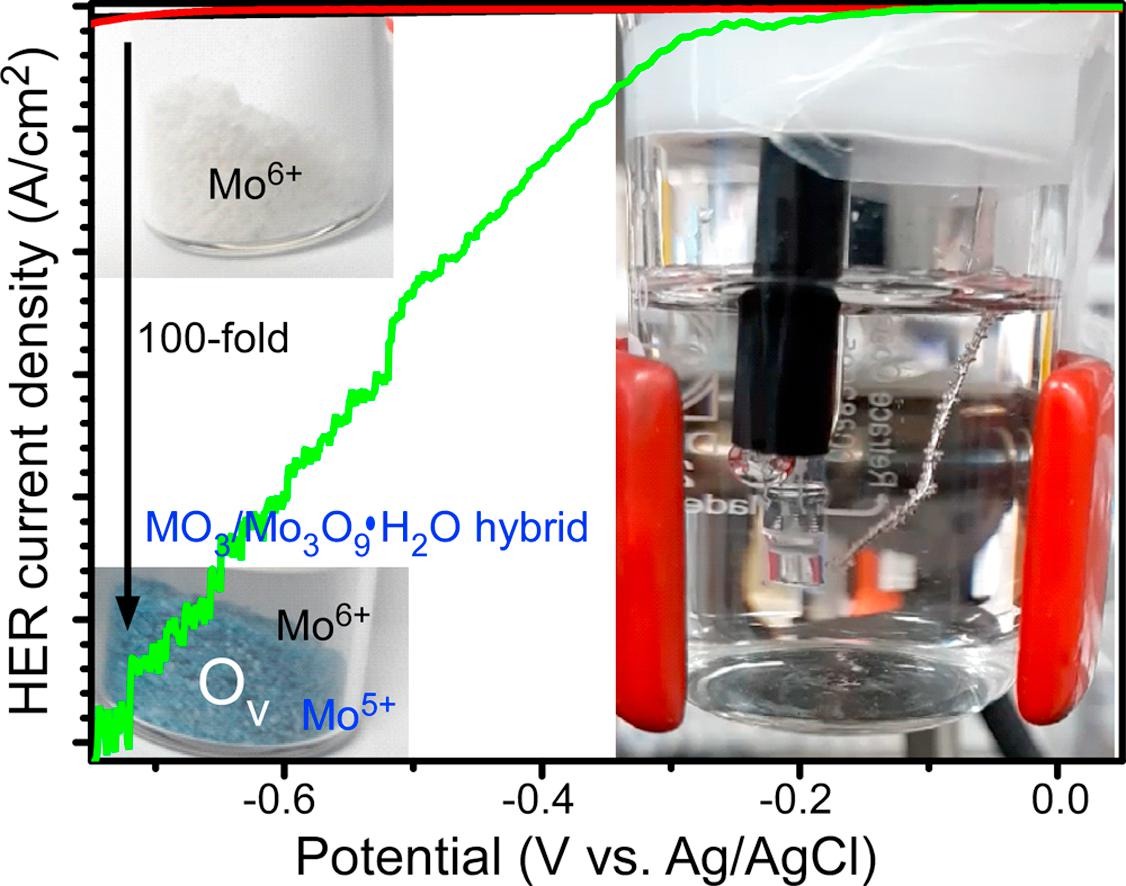
- 157
Photoluminescence, electro- and thermal catalytic properties of bare and Eu(III)-doped GaOOH, α- and β-Ga2O3 nanorods
Sungmin Hong; Choong Kyun Rhee; Youngku Sohn
J. Alloys Compd. 2019, 774, 11-17. DOI ↗ 📊 인용 ↗
📄 Abstract ▾
Gallium oxide has extensively been applied to various areas of optoelectronic devices, catalysts and displays. Herein, bare and Eu(III)-doped GaOOH, α- and β-gallium oxide (Ga2O3) nanorods were synthesized by the hydrothermal method and post-thermal treatment process. The physicochemical properties were fully examined by scanning electron microscopy, X-ray diffraction crystallography, Fourier-transform infrared spectroscopy, and UV–visible absorption. For diverse applications, we first performed CO oxidation tests, 2D/3D photoluminescence image spectroscopy, and electrochemical hydrogen evolution reaction. The unique results provide valuable information for the development of Ga oxide-based materials.
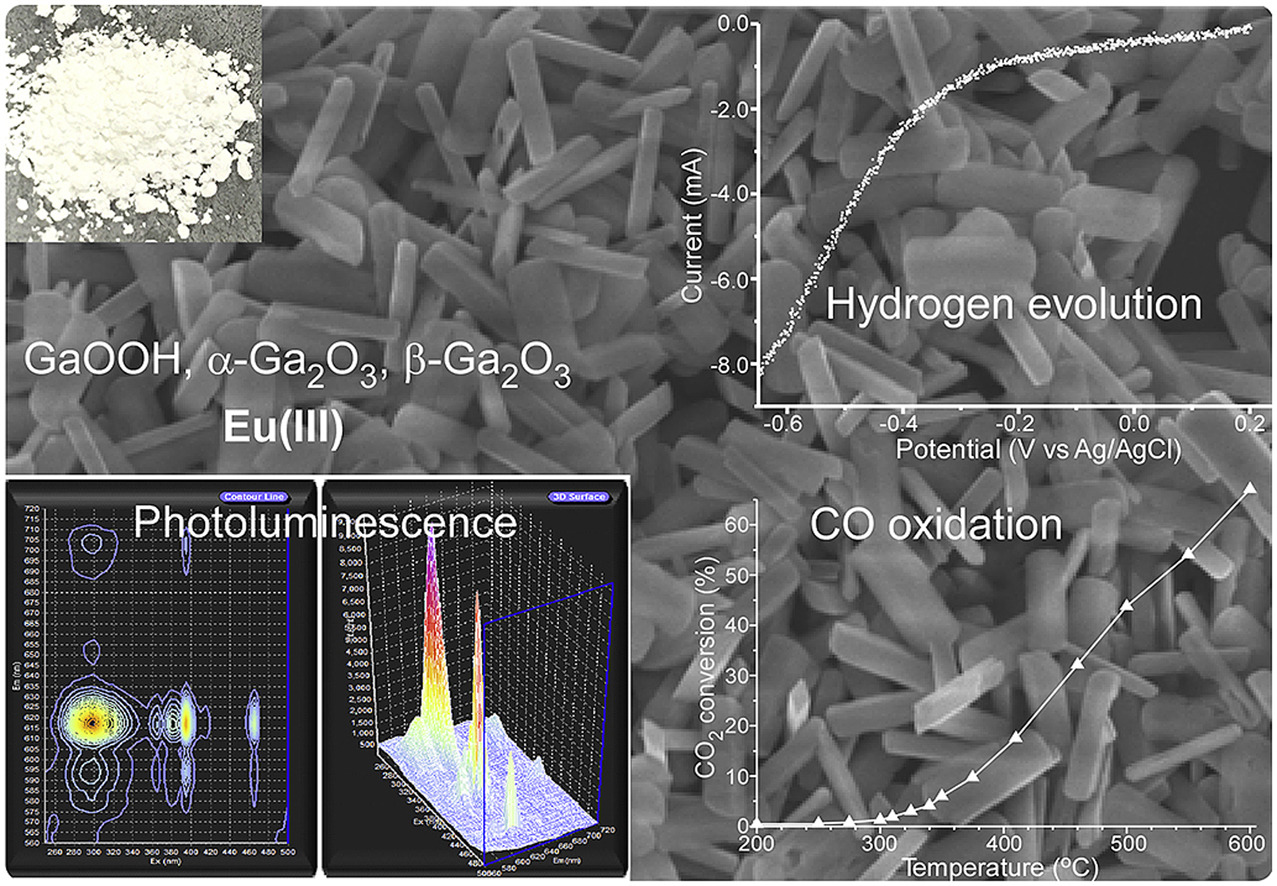
- 156
Magnetic/catalytic properties and strain induced structural phase transformation from β-FeOOH to porous α-Fe2O3 nanorods
Sung Woo Lee; Srivathsava Surabhi; Rambabu Kuchi; Youngku Sohn; Jong-Ryul Jeong
J. Alloys Compd. 2019, 771, 131-139. DOI ↗ 📊 인용 ↗
📄 Abstract ▾
Revealing detailed catalytic and magnetic properties and the corresponding structural changes of Fe oxide materials are extremely important for their diverse applications. For this, magnetic properties of thermally phase transformed β-FeOOH nanorods (NRs) (to porous α-Fe2O3) were examined in the temperature up to 550 °C. The thermal treatment enhances the lattice strain (e) that facilitates in creating pore structures. Fundamental physicochemical properties were examined by X-ray diffraction (XRD), transmission electron microscopy (TEM), scanning electron microscopy (SEM), diffuse reflectance UV–visible absorption spectroscopy, and X-ray photoelectron spectroscopy (XPS). An average size of pores and pore-size distribution were characterized by Brunauer-Emmett-Teller (BET) surface area analysis. Temperature and field dependent magnetic properties of calcination samples were investigated by vibrating sample magnetometer (VSM) for understanding the morphology-dependent magnetic behavior of NRs. The phase transformation behavior of these thermally treated magnetic NRs was analyzed through magnetic property characterization by considering all possible relationships with lattice strain effects, oxygen vacancies, magnetic, and morphology anisotropy.
2018
- 155
Antimicrobial activity of ZnO nanoplates and its Ag nanocomposites: Insight into an ROS-mediated antibacterial mechanism under UV light
Ara Joe; Se-Ho Park; Da-Jung Kim; Yeong-Ju Lee; Kwang-Hwan Jhee; Youngku Sohn; Eue-Soon Jang
Journal of Solid State Chemistry 2018, 267, 124-133. DOI ↗ 📊 인용 ↗
📄 Abstract ▾
We have previously shown that the bactericidal effect of ZnO nanoparticles in the absence of a light source originates from the released Zn2+ ions. The purpose of this study was to explore antibacterial activity arising from photo-induced reactive oxygen species (ROS) of ZnO nanoparticles under UV-A light irradiation. To achieve this, S. aureus and K. pneumoniae bacteria were exposed to three different ZnO nanoparticles under UV-A light. The concentrations of the ZnO nanoparticles were low, such that the antibacterial effect of the dissolved Zn2+ ions was negligible. From various empirical evidence, we found that the oxygen defects of the ZnO crystals enhanced the photogeneration of ROS and consequently, the ZnO nanoplates (NPs) with the polar facets exhibited the most pronounced antibacterial activity under UV-A stimulation. To enhance the antimicrobial activity of the NPs, we successfully synthesized silver-nanoparticle-decorated ZnO NPs and explored their antibacterial activity compared to that of the NPs.
- 154
Blue-Light-Emitting Photostable Hybrid Films for High-Efficiency Large-Area Light Converter and Photonic Applications
Jung-Soo Kang; Jun-Gill Kang; Youngku Sohn; Kam Tong Leung
ACS Applied Materials & Interfaces 2018, 10, 44768-44775. DOI ↗ 📊 인용 ↗
📄 Abstract ▾
A blue fluorophore of Schiff base zinc complex is prepared by a hydrolysis-free solution-based synthetic method. Under ultraviolet (UV) excitation, the complex produces blue emission with a quantum yield ( Q) of 42.6% in methylene chloride and 24.0% in standalone powder form. Quantum mechanical calculations show that the blue emission is generated by the change in the chemical state of the ligand associated with the complexation with Zn cations. Thin films of Zn complexes incorporated in polymethylmethacrylate (PMMA) and cellulose acetate butyrate (CAB) polymers are also prepared by dispersing the complexes into the polymer matrices. These hybrid polymer films exhibit several notable features, particularly enhanced luminescence efficiency (with maximum Q of 85.8% for PMMA and 30.0% for CAB) and scalability for fabrication over a large area while retaining the original properties of the host polymers. Light-emitting diodes are also fabricated using the CAB hybrid thin films, and they show a Q of 43.2% with excellent photostability. The complex and its hybrid films demonstrate their great potential for such applications as UV-to-blue conversion devices in photoelectronics, solar-cell concentrators, solid-state lighting and display, and greenhouse agriculture.
Abstracts are reproduced from the lab's own published articles; the version of record is available via each DOI link. Korean abstracts are unofficial in-house translations.