Publications
Publications
여러 단어 = 모두 포함(AND) · 정확한 문구는 큰따옴표: "Youngku Sohn" · 문구가 통째로 있는 논문이 먼저 나옵니다 · DOI로도 검색됩니다
2014
- 53
Correction: Photoluminescence profile mapping of Eu( iii ) and Tb( iii → iv )-embedded in quantum size SnO 2 nanoparticles
Young In Choi; Youngku Sohn
RSC Adv. 2014, 4, 41292-41292. DOI ↗ 📊 인용 ↗
📄 초록 (English) ▾
Correction for ‘Photoluminescence profile mapping of Eu(III) and Tb(III → IV)-embedded in quantum size SnO2 nanoparticles’ by Young In Choi et al., RSC Adv., 2014, 4, 31155–31161.
2013
- 51
Structural/Optical Properties and CO Oxidation Activities of SnO 2 Nanostructures
Youngku Sohn
J. Am. Ceram. Soc. 2013, 97, 1303-1310. DOI ↗ 📊 인용 ↗
📄 초록 (English) ▾
Tetragonal SnO 2 nanostructures with different sizes, band gaps, and defects were synthesized by varying the amounts of ammonia and polyethylene glycol ( PEG ) used during production and their structural and optical properties were characterized by scanning electron microscopy ( SEM ), X‐ray diffraction ( XRD ) crystallography, BET surface area analysis, thermogravimetric analysis, Raman spectroscopy, UV –visible absorption spectroscopy, photoluminescence imaging, and X‐ray photoelectron spectroscopy. In addition, the CO oxidation activity was examined by temperature‐programmed reduction and temperature‐programmed CO oxidation measurements. SEM and XRD analysis revealed that the particle size decreased with increasing PEG , but increased with increasing ammonia. Additionally, the band gaps decreased with increasing ammonia, but not with increasing PEG . Tetragonal SnO formed when larger amounts of ammonia were used, and this was converted to SnO 2 upon annealing at temperatures up to 700°C. The SnO 2 showed a unique strong green emission at 560 nm, which was attributed to a new oxygen deficiency. In addition, a sharp (328 nm) and two broad (390 and 460 nm) photoluminescence peaks corresponding to gap emission and the oxygen vacancies, respectively, were observed. The difference in CO oxidation activity with SnO 2 was attributed to varying sizes and defects formed in response to preparation under different reaction conditions.
- 50
CO Oxidation Activities of Ni and Pd-TiO2@SiO2Core-Shell Nanostructures
Yeji Do; Insu Cho; Yohan Park; Debabrata Pradhan; Youngku Sohn
Bull. Korean Chem. Soc. 2013, 34, 3635-3640. DOI ↗ 📊 인용 ↗
📄 초록 (English) ▾
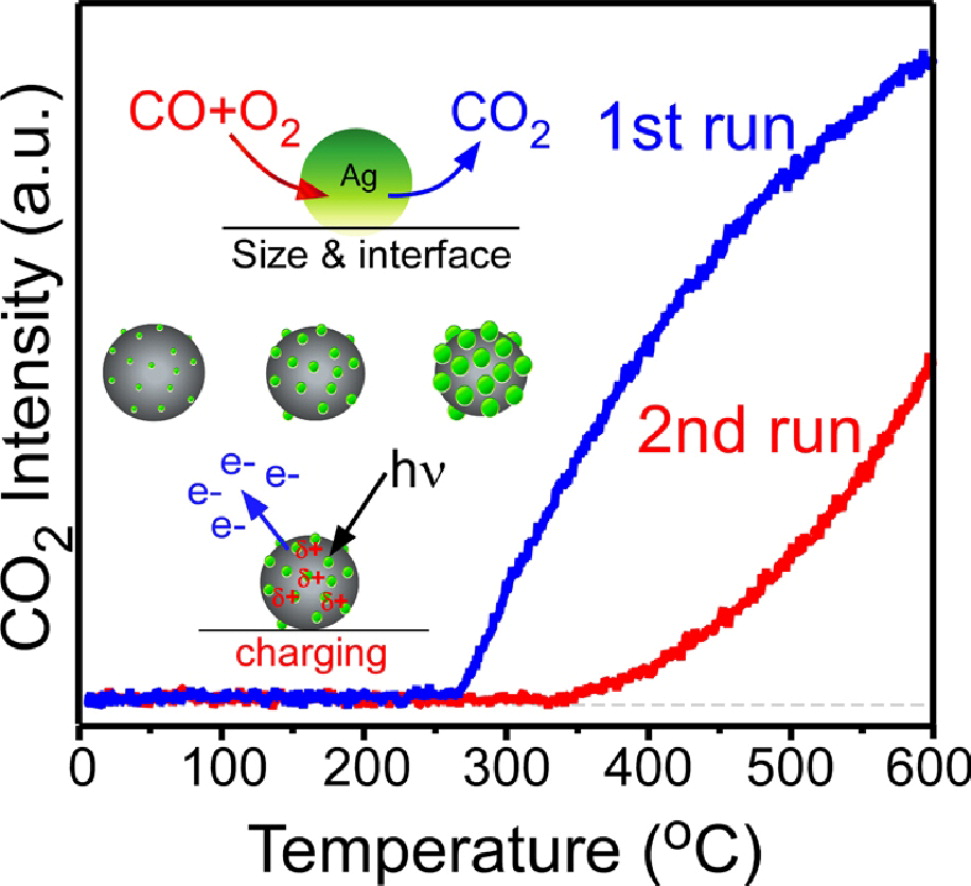
We prepared Ni and Pd-modified $TiO_2@SiO_2$ core-shell nanostructures and then analyzed them by scanning electron microscopy, optical microscopy, X-ray diffraction crystallography, FT-IR and UV-Visible absorption spectroscopy. In addition, their CO oxidation performance was tested by temperature-programmed mass spectrometry. The CO oxidation activity showed an order of Ni- $TiO_2@SiO_2$ ( $900^{\circ}C$ ) $TiO_2@SiO_2$ ( $90^{\circ}C$ ) $TiO_2@SiO_2$ ( $450^{\circ}C$ ) in the first CO oxidation run, and greatly improved activity in the same order in the second run. The $T_{10%}$ (the temperature at 10% CO conversion) corresponds to the CO oxidation rate of $2.8{\times}10^{-5}$ molCO $g{_{cat}}^{-1}s^{-1}$ . For Ni- $TiO_2@SiO_2$ ( $450^{\circ}C$ ), the $T_{10%}$ was observed at $365^{\circ}C$ in the first run and at $335^{\circ}C$ in the second run. For the Pd- $TiO_2@SiO_2$ ( $450^{\circ}C$ ), the $T_{10%}$ was observed at a much lower temperature of $263^{\circ}C$ in the first CO oxidation run, and at $247^{\circ}C$ in the second run. The CO oxidation activities of transition metal modified $TiO_2@SiO_2$ core-shell nanostructures presented herein provide new insights that will be useful in developing catalysts for various environments.
- 48
Flexible Reflective Color Displays using Thermochromic Pigments
Kyong Chan Heo; Youngku Sohn; Jonghoon Yi; Jin Hyuk Kwon; Jin Seog Gwag
Journal of the Optical Society of Korea 2013, 17, 428-432. DOI ↗ 📊 인용 ↗
📄 초록 (English) ▾
This research presents a flexible reflective thermochromic display (TCD) comprised of thermochromic pigments and a patterned indium tin oxide (ITO) film coated on a polyethylene naphthalate (PEN) substrate, and the display's thermo-optical characteristics. The display showed maximum red, green, and blue reflectances of 30%, 38%, and 29%, respectively. Furthermore, the display exhibited a continuous grey color when the temperature was changed continuously. As a flexible display, the display showed reliable thermo-optical performance without image damage even when highly bent. We expect the proposed TCD will be used in outdoor information display applications where low cost is a key factor.
- 47
2D‐ and 3D‐Photoluminescence Imaging of Eu ( III ) Embedded in CeO 2 Nanomatrix
Youngku Sohn
J. Am. Ceram. Soc. 2013, 96, 3747-3752. DOI ↗ 📊 인용 ↗
📄 초록 (English) ▾
2D‐ and 3D‐photoluminescence characteristics of Eu ( III ) doped in CeO 2 nanoparticles were fully imaged for the first time. Their fundamental natures were also examined by scanning electron microscopy ( SEM ), X‐ray diffraction ( XRD ) crystallography, and UV –visible absorption spectroscopy. The magnetic dipole 5 D 0 → 7F 1 transition was dominated by an indirect transition associated with a O 2− – Ce 4+ charge‐transfer band of CeO 2 . The electric dipole 5 D 0 → 7 F 2 transition was dominated by a direct transition of Eu ( III ), indicating that Eu ( III ) replaces Ce ( IV ) at octahedral sites (O h and O) with and without an inversion center. Upon annealing, the photoluminescence intensity caused by direct transition was dramatically decreased, whereas that induced by indirect transition was greatly enhanced. These findings indicate that charge transfer to the Eu ( III ) at the octahedral (O h ) site with the inversion center is more efficient than that to the Eu ( III ) site without an inversion center. The absolute quantum yield for the 10 mol% Eu ( III )– CeO 2 was found to be ϕ = 0.007 at an excitation wavelength of 350 nm. The photoluminescence of Tb ‐doped CeO 2 was briefly discussed for comparison.
- 45
Reflective Thermochromic Display on Polyethylene Naphthalate Film
Kyong Chan Heo; Phil Kook Son; Youngku Sohn; Jonghoon Yi; Jin Hyuk Kwon; Jin Seog Gwag
Journal of the Optical Society of Korea 2013, 17, 168-171. DOI ↗ 📊 인용 ↗
📄 초록 (English) ▾
A reflective flexible display was fabricated by placing a thermochromic pigment on a polyethylene naphthalate (PEN) substrate coated with an indium tin oxide (ITO) film, and its thermo-optical characteristics were investigated. The reflective thermochromic display showed good image quality with a reflectance of approximately 65%. As a flexible display, the display showed reliability without damage to the image even after the display was bent strongly. The reflective display cell exhibits continuously the gray level according to the temperature controlled by applied voltage. This low cost display is expected be used in outdoor poster applications where information needs to be presented clearly.
- 44
Comparison of Photocyclization Reactions of Fluoro- vs Nonfluoro-Substituted Polymethyleneoxy Donor Linked Phthalimides
Hea Jung Park; Young Ju Ryu; Kyung Mok Kim; Ung Chan Yoon; Eunae Kim; Youngku Sohn; Dae Won Cho; Patrick S. Mariano
Bull. Korean Chem. Soc. 2013, 34, 1108-1114. DOI ↗ 📊 인용 ↗
📄 초록 (English) ▾
Photochemical reactions of fluoro- vs. nonfluoro-substituted polymethylenoxy chain linked phthalimide were carried out to explore how electronegative fluorine atoms inside the donor chain influence photocyclization reaction efficiencies and to briefly determine the alkali metal binding properties of the photoproducts. The results of this study show that the fluorine-substituted donor chain linked phthalimide undergoes inefficient photocyclization via single electron transfer (SET)-induced excited state pathways to generate 14-membered cyclic amidol compared to nonfluoro-analog due to low electron donor ability of the terminal oxygen donor site. These results show that photoinduced intramolecular SET processes arising from ${\alpha}$ -silyl ether electron donors to phthalimides are largely dependent on the kinds of substituents inside donor chain. Finally, a preliminary study with the cyclic amidols generated in this effort showed that they have weak alkali metal cation binding properties regardless of absence/presence of fluoro-substituents.
- 43
Synergy of Low-Energy {101} and High-Energy {001} TiO2 Crystal Facets for Enhanced Photocatalysis
Nitish Roy; Youngku Sohn; Debabrata Pradhan
ACS Nano 2013, 7, 2532-2540. DOI ↗ 📊 인용 ↗
📄 초록 (English) ▾
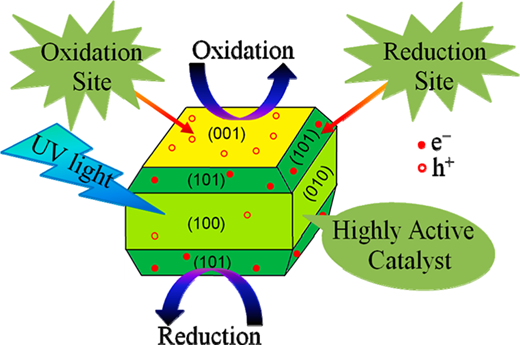
Controlled crystal growth determines the shape, size, and exposed facets of a crystal, which usually has different surface physicochemical properties. Herein we report the size and facet control synthesis of anatase TiO2 nanocrystals (NCs). The exposed facets are found to play a crucial role in the photocatalytic activity of TiO2 NCs. This is due to the known preferential flow of photogenerated carriers to the specific facets. Although, in recent years, the main focus has been on increasing the surface area of high-energy exposed facets such as {001} and {100} to improve the photocatalytic activity, here we demonstrate that the presence of both the high-energy {001} oxidative and low-energy {101} reductive facets in an optimum ratio is necessary to reduce the charge recombination and thereby enhance photocatalytic activity of TiO2 NCs.
- 42
Synthesis and Characterization of 1-D BiSI and 2-D BiOI Nanostructures
Juheon Lee; Bong-Ki Min; Insu Cho; Youngku Sohn
Bull. Korean Chem. Soc. 2013, 34, 773-776. DOI ↗ 📊 인용 ↗
📄 초록 (English) ▾
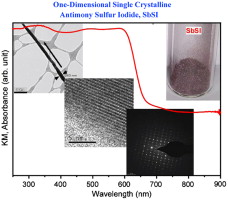
We have prepared 1-D BiSI and 2-D BiOI nanostructures, and characterized them by scanning electron microscopy, transmission electron microscopy (TEM), X-ray diffraction crystallography, thermogravimetric analysis/differential scanning calorimetry, and UV-visible absorption. Here, we first report clear HR-TEM image of BiSI. In addition, we first found that the growth direction of BiSI is [12-1] plane, with the neighboring distance of 0.30 nm. The crystal structures of BiSI and BiOI are found to be orthorhombic (Pnam) and tetragonal (P4/nmm), respectively. The absorption band gaps of BiSI and BiOI are measured to be 1.55 and 1.92 eV, respectively. Our study could further highlight the applications of V-VI-VII compounds.
- 40
A Reflective Display Based on Thermochromic Pigment
Kyong Chan Heo; Phil Kook Son; Youngku Sohn; Jonghoon Yi; Jin Hyuk Kwon; Jin Seog Gwag
Molecular Crystals and Liquid Crystals 2013, 584, 87-93. DOI ↗ 📊 인용 ↗
📄 초록 (English) ▾
This research presents thermally activated monochromatic reflective display produced by very simple method based on thermochromic pigment and its thermo-optical properties are investigated. The display exhibits maximum white reflectance of about 48%. The bright level of this thermochromic display (TCD) cell is continuously tuned by the temperature changes under adjusting the driving voltage to the TCD cell. It also showed a wide viewing angle above 80° without any optical components. This display is considerable for applications where indoor or outdoor poster information must be presented clearly with low cost. Keywords: Thermochromic displaythermochromic pigmentreflective displayelectro-optic property Acknowledgment This research was supported by the 2012 Yeungnam University research grant and the Human Resources Development Program of Korea Institute of Energy Technology Evaluation and Planning grant (No. 20104010100580) funded by the Korea government Ministry of Knowledge Economy.
- 39
Fundamental nature and CO oxidation activities of indium oxide nanostructures: 1D-wires, 2D-plates, and 3D-cubes and donuts
Won Joo Kim; Debabrata Pradhan; Youngku Sohn
J. Mater. Chem. A 2013, 1, 10193. DOI ↗ 📊 인용 ↗
📄 초록 (English) ▾
Various indium oxide nanostructures of 1D-wires, 2D-hexagonal plates, 3D-cubes and donuts were synthesized, and their fundamental characteristics and CO oxidation activities were studied in detail. X-ray diffraction and Raman analysis revealed that the as-synthesized wires and cubes are orthorhombic InOOH and cubic In(OH)3, respectively. Upon annealing at 700 °C in air, all the as-prepared samples were recrystallized to cubic In2O3. The direct band gap of various as-synthesized nanostructures was estimated to be ∼2.7 eV from the UV-Vis absorption. Two broad photoluminescence peaks were found at 360 and 450 nm, which are attributed to the oxygen vacancies. The CO oxidation activities were in the order of hexagonal plates ≤ donuts < cubes < wires, tested by temperature-programmed reaction mass spectrometry. The difference in activity is explained on the basis of the surface area and oxygen vacancies of different nanostructures. In particular, the wires showed the CO oxidation onset at around 320 °C, which is 280 °C lower than that of hexagonal plates. The detailed morphology dependent properties and CO oxidation activities of various In2O3 nanostructures presented in this study provide new insights into sensor, energy, and environmental applications.
- 38
Hollow SiO2 Nanospheres: One-Step Synthesis by Introducing Guest Ag Nanoparticles and an Irradiating Electron Beam under Ambient Condition
Jin Hyoung Kim; Minsoo Son; Youngku Sohn; Weon Gyu Shin
Aerosol and Air Quality Research 2013, 13, 415-420. DOI ↗ 📊 인용 ↗
📄 초록 (English) ▾
A novel one step gas phase synthesis method for hollow SiO2 nanospheres under ambient condition was developed using an electron beam irradiation system. Ag nanoparticles were used as a guest-template material. The inner structure of the hollow SiO2 nanospheres can be controlled by adjusting the electron beam intensity and precursor concentration. The average diameter and shell thickness of the produced particles were 56 nm and 10 nm, respectively.
2012
- 36
Synthesis and Photophysical Properties of an Eu(II)-Complex/PS Blend: Role of Ag Nanoparticles in Surface-Enhanced Luminescence
Jong-Moon Kim; Yong-Kwang Jeong; Youngku Sohn; Jun-Gill Kang
Langmuir 2012, 28, 9842-9848. DOI ↗ 📊 인용 ↗
📄 초록 (English) ▾
A novel Eu(II) complex with 2-ethylhexyl hydrogen 2-ethylhexyl phosphonate (EHHEHP or PC88A) was synthesized and blended with polystyrene polymer (PS). Both an independent complex and the Eu(II)/PS blend excited by near-UV light produced blue luminescence, arising from the 5d→ 4f transitions of Eu(II). Time-dependent density functional theory (TD-DFT) calculations on electronic structures of the complex molecule indicated that the absorbing and emitting center was associated with the (2)A(d(z(2))) state under the C(2) crystal field. We also synthesized silver nanoparticles (Ag NPs) with an average particle size of 4.48 nm (σ = 0.91 nm) using EHHEHP as a stabilizer. The effects of Ag NPs as a colloidal suspension and an interfacial layer on the luminescence intensity of the blend were investigated as functions of the concentration of Ag NPs and the thickness of the Ag NP layer, respectively. The critical concentration of the colloidal Ag NPs and the critical thickness of the interfacial Ag NP layer were ∼355 ppm and ∼0.16 μm, respectively. Under critical conditions, the Ag NPs increased the luminescence intensity by 4.4 times as a colloidal suspension in CH(2)Cl(2) and 2.2 times as an interfacial-layer state.
- 35
Reflective color display using thermochromic pigments
Kyong Chan Heo; Youngku Sohn; Jonghoon Yi; Jin Hyuk Kwon; Phil Kook Son; Jin Seog Gwag
Applied Optics 2012, 51, 4246. DOI ↗ 📊 인용 ↗
📄 초록 (English) ▾
A reflective thermochromic display fabricated by a very simple method using three kinds of thermochromic pigments is produced and its thermo-optical characteristics are investigated. The display exhibits maximum red, green, and blue reflectances of 38%, 30%, and 35%, respectively. The reflective display cell shows continuous gray color with changing temperature, which is crucial for multicolor displays. It also shows an excellent viewing angle above 80° without any of the additional optical components that are required in liquid crystal displays. We expect that this display technology will be used for outdoor billboard information display applications.
- 34
Interfacial Natures and Controlling Morphology of Co Oxide Nanocrystal Structures by Adding Spectator Ni Ions
Jin-Seog Gwag; Young-Ku Sohn
Bull. Korean Chem. Soc. 2012, 33, 505-510. DOI ↗ 📊 인용 ↗
📄 초록 (English) ▾
Cobalt oxide nanostructure materials have been prepared by adding several concentrations of spectator Ni ions in solution, and analyzed by electron microscopy, X-day diffraction, calorimetry/thermogravimetric analysis, UV-vis absorption, Raman, and X-ray photoelectron spectroscopy. The electron microscopy results show that the morphology of the nanostructures is dramatically altered by changing the concentration of spectator ions. The bulk XRD patterns of $350^{\circ}C$ -annealed samples indicate that the structure of the cobalt oxide is all of cubic Fd-3m $Co_3O_4$ , and show that the major XRD peaks shift slightly with the concentration of Ni ions. In Raman spectroscopy, we can confirm the XRD data through a more obvious change in peak position, broadness, and intensity. For the un-sputtered samples in the XPS measurement process, the XPS peaks of Co 2p and O 1s for the samples prepared without Ni ions exhibit higher binding energies than those for the sample prepared with Ni ions. Upon $Ar^+$ ion sputtering, we found $Co_3O_4$ reduces to CoO, on the basis of XPS data. Our study could be further applied to controlling morphology and surface oxidation state.
- 33
Anomalous Oxidation Resistance of “Core-Only” Copper Nanoparticles Electrochemically Grown on Gold Nanoislands Prefunctionalized by 1,4-phenylene Diisocyanide
Youngku Sohn; Debabrata Pradhan; Liyan Zhao; K. T. Leung
Electrochemical and Solid-State Letters 2012, 15, K35. DOI ↗ 📊 인용 ↗
📄 초록 (English) ▾
Copper was electrodeposited on bare and pre-functionalized Au nanoislands with 1,4-phenylene diisocyanide (PDI, −C≡N+–C6H4–N+≡C−), on a Si(100) substrate. The electrodeposited Cu nanoparticles on bare Au nanoislands are found to consist of a Cu core and a Cu2O shell with a CuO overlayer. For Cu nanoparticles electrodeposited on Au nanoislands pre-functionalized with PDI, the metallic Cu core is covered by a barely detectable Cu2O overlayer, without any evidence of the CuO shell. PDI-functionalization of the Au nanoislands could be used to suppress the Cu oxidation and significantly alter the interfacial electronic nature of Cu on PDI-functionalized Au nanoislands.
- 32
Electron Beam Assisted Gas Phase Synthesis of SiO2 Nanoparticles in an Ambient Condition
Jin Hyoung Kim; Youngku Sohn; Insoo Kim; Bumsoo Han; Weon Gyu Shin
Aerosol and Air Quality Research 2012, 12, 1467-1471. DOI ↗ 📊 인용 ↗
📄 초록 (English) ▾
This study presents a novel use of an electron beam irradiation system for the gas phase synthesis of nanoparticles, and demonstrates that SiO2 nanoparticles can be synthesized in ambient conditions. The formation of SiO2 nanoparticles is confirmed by the vibrational modes shown in FT-IR spectra, and the binding energy of Si 2p in the X-ray photoelectron spectrum. In this work, nanoparticles with average diameters of 210 nm and 73 nm were produced. The average particle size was controlled by adjusting the residence time of the precursor vapor.
2011
- 30
Temperature and Coverage Dependent Quasi-reversible Two-photon Photoemission of 1-phenyl-1-propyne on Cu(111)
Young-Ku Sohn; Wei Wei; Weixin Huang; John M. White
Bull. Korean Chem. Soc. 2011, 32, 1980-1984. DOI ↗ 📊 인용 ↗
📄 초록 (English) ▾
A temperature- and coverage-dependant quasi-reversible change in two-photon photoemission (2PPE) of chemisorbed 1-phenyl-1-propyne (PP) on Cu(111) is reported. For PP on Cu(111) at 300 K probed at a photon energy of 4.13 eV, two broad peaks of comparable intensity show final state energies of 7.25 and 7.75 eV above the Fermi level. The former peak could be assigned to the first image potential state (IS, n = 1) and/or unoccupied molecular orbital (UMO), located at 3.1 eV above the Fermi level. The latter is plausibly attributed to a mix of unoccupied higher-order IS (and/or UMO) and occupied surface state (SS) of Cu(111). With decreasing the temperature, the former 2PPE peak shows a shift in position by about 0.2 eV, and the latter exhibits a dramatic increase in intensity. In the system, intermolecular interactions (and/or order-disorder transition) of PP and substrate lattice temperature may play a significant role in change in photoexcitation lifetime (or excitation cross-section), and the unoccupied molecular orbital (UMO)-metal (IS) charge transfer coupling. Our unique 2PPE results provide a deeper insight for understanding photoexcitation charge transfer with temperature in an organic molecule/metal system.
- 29
Hydrogenation of Phenylacetylene to Styrene on Pre-CxHy- and C-Covered Cu(111) Single Crystal Catalysts
Young-Ku Sohn; Wei Wei; John M. White
Bull. Korean Chem. Soc. 2011, 32, 1559-1563. DOI ↗ 📊 인용 ↗
📄 초록 (English) ▾
Thermal hydrogenation of phenylacetylene (PA, $C_8H_6$ ) to styrene ( $C_8H_8$ ) on pre- $C_xH_y$ - and C-covered Cu(111) single crystal substrates has been studied using temperature-programmed desorption (TPD) mass spectrometry. Chemisorbed PA with an acetylene group has been proved to be associated with hydrogen of pre-adsorbed $C_xH_y$ to form styrene (104 amu) on Cu surface. For the parent (PA) mass (102 amu) TPD profile, the TPD peaks at 360 K and 410 K are assigned to chemisorbed vertically aligned PA and flat-lying cross-bridged PA, respectively (J. Phys. Chem. C 2007, 111, 5101). The relative $I_{360K}/I_{410K}$ TPD ratio dramatically increases with increasing pre-adsorbed $C_xH_y$ before dosing PA, while the ratio does not increase for pre-C-covered surface. For PA on pre- $C_xH_y$ -covered Cu(111) surface, styrene desorption is enhanced relative to the parent PA desorption, while styrene formation is dramatically quenched on pre-C-covered (lack of adsorbed hydrogen nearby) surface. It appears that only cross-bridged PA associates with adsorbed hydrogen to form styrene that promptly desorbs at 410 K, while vertically aligned PA is less likely to participate in forming styrene.
- 28
Continuous Reduced Graphene Oxide Film Prepared by Stitching of Nanosheets at the Interface of Two Immiscible Solutions
Young-Ku Sohn; Seog-K. Kim; Bong-Ki Min
Bull. Korean Chem. Soc. 2011, 32, 713-715. DOI ↗ 📊 인용 ↗
📄 초록 (English) ▾
Figure 1. Photograph images (A) graphene oxide (GO) and RGO sheets dispersed in water solution. (B) RGO sheets in immiscible water and chloroform solutions before and after sonication, and after settlement of the sonicated solution. (C) graphene sheets in immiscible water and benzene solutions before sonication and after sonication followed by settlement. Graphene, an atom-thick two-dimensional (2D) honeycomb lattice sheet of sp-bonded carbon atoms, has recently been emerged as a new promising material in various fields. Because of its gigantic charge carrier mobility it could be applied to field-effect transistors as a substitute of silicon. Due to its transparency and high electrical conductivity, it could be used as a substitute of ITO electrode in solar cells and light-emitting diodes. Other superior properties include large surface area, flexibility, strength, stiffness, and thermal conductivity. These provides wide applications of graphene including supercapacitor, battery, sensor, storage and drug delivery. For real applications, large-scale of graphene sheets or films needs to be prepared. Large-area (orders of centimeters) graphene films have recently been fabricated using a chemical vapor deposition (CVD) method on various metal substrates. This method requires a transfer process from the metal substrates to a desired substrate such as a transparent plastic sheet. Simpler methods are a thermal reduction of graphene oxide film prepared via the filtration of graphene sheets, Langmuir-Blodgett (LB) layerby-layer assembly, and filtration of graphene sheets followed by a film transfer. Investigators have now actively pursued various simpler ways of fabricating continuous graphene films or papers. Highly motivated by this, we have challenged to synthesize large-area/scale graphene films from solution.
2010
- 26
Electrochemical Pd Nanodeposits on a Au Nanoisland Template Supported on Si(100): Formation of Pd−Au Alloy and Interfacial Electronic Structures
Youngku Sohn; Debabrata Pradhan; K. T. Leung
ACS Nano 2010, 4, 5111-5120. DOI ↗ 📊 인용 ↗
📄 초록 (English) ▾
Palladium nanoparticles have uniformly been electrodeposited on a Au nanoisland template (NIT) supported on a Si(100) substrate, which exhibits Au-rich, Pd-rich, and/or polycrystalline mixed structures upon annealing to 700 °C. Glancing-incidence X-ray diffraction (GIXRD) and energy-dispersive X-ray (EDX) elemental analysis of the as-deposited sample both show metallic Pd, while depth-profiling X-ray photoelectron spectroscopy (XPS) further reveals the presence of Pd-Au (and PdxSi) at the interfaces of the Pd nanodeposits on the Au NIT. Upon the sample being annealed to 700 °C, both Pd 3d(3/2) and Au 4f(7/2) XPS peaks are found to shift to lower binding energies, which further confirms Pd-Au alloy formation. The convergence of respective GIXRD features of metallic Au and Pd toward intermediate peak positions supports the formation of alloy and their crystalline nature. Depth-profiling XPS analysis of the annealed sample further shows that the Pd nanoparticles are found to consist of an ultrathin shell of PdO2, and a PdO-rich (i.e., Pd-poor) inner-core, which is consistent with the observed GIXRD patterns of PdO and Pd-Au alloy but indiscernible PdO2. We compare the above results with the experimental results for electrodeposited Pd on a bare Si(100) substrate. Our study provides new insight into the formation of Pd-Au alloy composite on Si by electrochemistry. The easy control of the Pd, Au, and Pd-Au composition in the nanodeposits as illustrated in the present method offers new flexibility for developing hybrid nanocatalysts and other applications.
- 25
The Interfacial Nature of TiO2and ZnO Nanoparticles Modified by Gold Nanoparticles
Ye-Ji Do; Jae-Soo Choi; Seoq-K. Kim; Young-Ku Sohn
Bull. Korean Chem. Soc. 2010, 31, 2170-2174. DOI ↗ 📊 인용 ↗
📄 초록 (English) ▾
The surfaces of $TiO_2$ and ZnO nanoparticles have been modified by gold (Au) nanoparticles by a reduction method in solution. Their interfacial electronic structures and optical absorptions have been studied by depth-profiling X-ray photoelectron spectroscopy (XPS) and UV-vis absorption spectroscopy, respectively. Upon Au-modification, UV-vis absorption spectra reveal a broad surface plasmon peak at around 500 nm. For the as-prepared Au-modified $TiO_2$ and ZnO, the Au $4f_{7/2}$ XPS peaks exhibit at 83.7 and 83.9 eV, respectively. These are due to a charge transfer effect from the metal oxide support to the Au. For $TiO_2$ , the larger binding energy shift from that (84.0 eV) of bulk Au could indicate that Au-modification site of $TiO_2$ is different from that of ZnO. On the basis of the XPS data with sputtering depth, we conclude that cationic (1+ and 3+) Au species, plausibly $Au(OH)_x$ (x = 1-3), commonly form mainly at the Au- $TiO_2$ and Au-ZnO interfaces. With $Ar^+$ ion sputtering, the oxidation state of Ti dramatically changes from 4+ to 3+ and 2+ while that (2+) of Zn shows no discernible change based on the binding energy position and the full-width at half maximum (FWHM).
- 24
Effect of Number and Position of Positive Charges on the Stacking of Porphyrins along Poly[d(A-T)2] at High Binding Densities
Jin-A Jung; Sang Hwa Lee; Biao Jin; Youngku Sohn; Seog K. Kim
The Journal of Physical Chemistry B 2010, 114, 7641-7648. DOI ↗ 📊 인용 ↗
📄 초록 (English) ▾
At high porphyrin densities, the effects of the number and position of the positive charges of the periphery ring on the stacking of the porphyrin on poly[d(A-T)(2)] was investigated using polarized spectroscopy, including circular and linear dichroism (CD and LD, respectively). The CD spectrum of meso-tetrakis(N-methylpyridinium-4-yl)porphyrin(TMPyP) consisted of two positive bands in the Soret absorption region at low [porphyrin]/[DNA base] ratios (R ratios) and changed to two distinguishable categories of the bisignate CD spectrum with increasing R ratio. These CD spectra were attributed to the monomeric groove binding, and the moderately and extensively stacked TMPyPs. In contrast, trans-bis(N-methylpyridinium-4-yl)porphyrin (trans-BMPyP) dominantly produced a CD spectrum that corresponded to the extensive stacking, except at the lowest R ratio that was used in this work (R = 0.04). However, for cis-bis(N-methylpyridinium-4-yl)porphyrin (cis-BMPyP), the intensity of the apparent bisignate CD signal was too small to assign it to the extensive stacking. Moreover, the shape of the CD spectrum in the DNA absorption region showed that the conformation of poly[d(A-T)(2)] was retained, in contrast to the extensively stacked TMPyP and trans-BMPyP. In the extensively stacked TMPyP- poly[d(A-T)(2)] assembly, the large negative LD signal in the Soret band was observed suggesting that the direction of the molecular planes of TMPyP was close to perpendicular with respect to the orientation axis (flow axis). In contrast, the LD spectrum of the trans-BMPyP-poly[d(A-T)(2)] complex produced positive LD signal in the same wavelength region, suggesting the orientation of the molecular plane was nearly parallel relative to the flow direction. Surprisingly, the LD signal in the DNA absorption region for both of the porphyrins was positive. Therefore, the helix axis of the DNA was near perpendicular relative to the flow direction in the porphyrin-polynucleotide assembly.
- 23
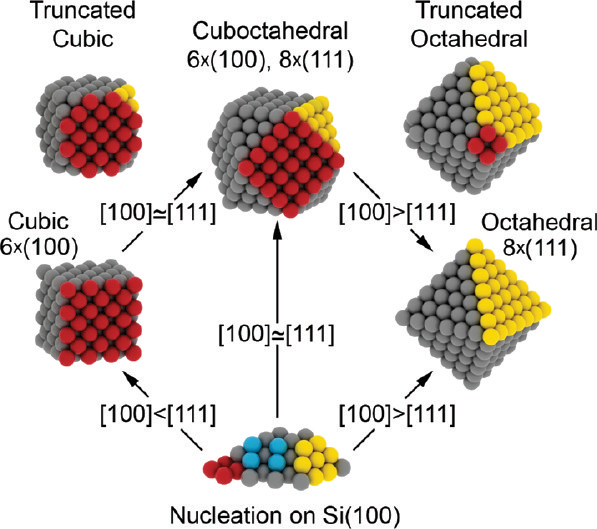
Nanoscale Shape and Size Control of Cubic, Cuboctahedral, and Octahedral Cu−Cu2O Core−Shell Nanoparticles on Si(100) by One-Step, Templateless, Capping-Agent-Free Electrodeposition
Abdullah Radi; Debabrata Pradhan; Youngku Sohn; K. T. Leung
ACS Nano 2010, 4, 1553-1560. DOI ↗ 📊 인용 ↗
📄 초록 (English) ▾
Cu-Cu2O core-shell nanoparticles (NPs) of different shapes over an extended nanosize regime of 5-400 nm have been deposited on a H-terminated Si(100) substrate by using a simple, one-step, templateless, and capping-agent-free electrochemical method. By precisely controlling the electrolyte concentration [CuSO4 x 5H2O] below their respective critical values, we can obtain cubic, cuboctahedral, and octahedral NPs of different average size and number density by varying the deposition time under a few seconds (<6 s). Combined glancing-incidence X-ray diffraction and depth-profiling X-ray photoelectron spectroscopy studies show that these NPs have a crystalline core-shell structure, with a face-centered cubic metallic Cu core and a simple cubic Cu2O shell with a CuO outerlayer. The shape control of Cu-Cu2O core-shell NPs can be understood in terms of a diffusion-limited progressive growth model under different kinetic conditions as dictated by different [CuSO4 x 5H2O] concentration regimes.
2009
- 22
Thermal and Photochemistry of Methyl Iodide on Ice Film Grown on Cu(111)
Bull. Korean Chem. Soc. 2009, 30, 1470-1474. DOI ↗ 📊 인용 ↗
📄 초록 (English) ▾
Thermal and photochemistry of methyl iodide ( $CH_3I)\;adsorbed\;on\;D_2O$ ice film on Cu(111) at 100 K were studied using temperature-programmed desorption (TPD) time-of-flight mass spectrometry (TOF-MS), X-ray and ultraviolet photoelectron spectroscopies. On the basis of TPD, multilayer and monolayer $CH_3I$ molecules desorb from $D_2O$ ice layer at 120 and 130 K, respectively. Photo-irradiation at 100 K exhibits dramatic changes in the TPD and I $3d_{5/2}\;XPS\;of\;CH_3I$ on ice film, due to a dramatic dissociation of $CH_3I$ . The dissociation is likely activated by solvated electrons transferred from the metal substrate during photo-irradiation. No other photo-initiated reaction products were found within our instrumental detection limit. During photo-irradiation, the $CH_3I$ , $CH_3$ and I could be trapped (or solvated) in ice film by rearrangement (and self-diffusion) of water molecules. A newly appeared parent molecular desorption peak at 145 K is attributed to trapped $CH_3I$ . In addition, the $CH_3$ and I may diffuse through ice and chemisorb on Cu(111), indicated by TPD and I $d_{5/2}$ XPS taken with photo-irradiation time, respectively. No molecular ejection was found during photo-irradiation at 100 K. The work functions for $CH_3I/Cu(111),\;D_2O/Cu(111)\;and\;CH_3I/D_2$ O/Cu(111) were all measured to be about 3.9 eV, 1.0 eV downward shift from that of clean Cu(111).
- 21
Interfacial Electronic Structure of Gold Nanoparticles on Si(100): Alloying versus Quantum Size Effects
Youngku Sohn; Debabrata Pradhan; Abdullah Radi; K. T. Leung
Langmuir 2009, 25, 9557-9563. DOI ↗ 📊 인용 ↗
📄 초록 (English) ▾
Gold nanoparticles (Au NPs) were prepared on a native-oxide-covered Si(100) substrate by sputter-deposition followed by thermal annealing. The size of Au NPs could be controlled in the range of 8-48 nm by varying the sputter-deposition time and post-annealing temperature. The interparticle separation was found to be directly related to the size of Au NPs, with smaller separations for particles of smaller size. The surface morphology, crystal structure, and interfacial composition of the chemical states of these supported Au NPs were studied as a function of their average size by using scanning electron microscopy, glancing-incidence X-ray diffraction, and depth-profiling X-ray photoelectron spectroscopy (XPS), respectively. The new Au 4f7/2 peak found at 1.1-1.2 eV higher in binding energy than that for the metallic Au feature (at 84.0 eV) can be attributed to the formation of Au silicide at the interface between Au NPs and the Si substrate. Depth-profiling XPS experiments revealed no discernible change in the binding energies of the Au silicide and metallic Au 4f features with increasing Ar+ sputtering time, indicating that the Au-to-silicide interface is abrupt. Furthermore, the shift in the Au 5d5/2 valence band to a higher binding energy and the reduction of the Au 5d spin-orbit splitting with increasing Ar+ sputtering time also support the formation of Au silicide. No clear evidence for the quantum size effect was observed for the supported NPs. The finite density of state at the Fermi level and the fixed Au 4f7/2 peak position clearly indicate the metallic nature of the Au silicide at the Au-Si interface.
2008
- 20
Adsorption and Oxidation of Phenylacetylene and Phenylmethylacetylene on Oxygen-Precovered Cu(111): Effects of Terminal Hydrogen and Atomic Oxygen Coverage
Youngku Sohn; Wei Wei; John M. White
J. Phys. Chem. C 2008, 112, 18531-18536. DOI ↗ 📊 인용 ↗
📄 초록 (English) ▾
Adsorption and oxidation of phenylacetylene (PA) and phenylmethylacetylene (PMA) on atomic oxygen (O (a) )-precovered Cu(111) have been studied by temperature-programmed desorption (TPD) spectroscopy, X-ray photoelectron spectroscopy (XPS), and ultraviolet photoelectron spectroscopy (UPS). Oxidation products commonly include H 2 O, CO, and CO 2, and their yields strongly depend on the O (a) coverage. The desorption profile of parent PA with O (a) coverage is markedly different from that of parent PMA, which is mainly due to that the terminal C−H bond of the acetylene group of PA is more vulnerable to be attacked by the O (a) than the hydrogen of the methyl group of PMA. The reactivity of O (a) is dependent on the O (a) coverage: it decreases with the increase of the coverage. With the increase of O (a) coverage, the H 2 O desorption temperature shifts to a higher temperature. The more active O (a) at low coverage is mainly used for forming H 2 O by cleaving the ≡C−H (or −CH 3 ) hydrogen; the less active O (a) at high coverage is mainly consumed for CO 2 . The study of these model molecules would be valuable for further understanding of hydrogenation/dehydrogenation and oxidation reactions of unsaturated organic molecules on O (a) -precovered metal surfaces.
- 18
Poly[2-methoxy-5-(2′-ethyl-hexyloxy)-p-phenylene vinylene] (MEH-PPV)/poly(3-hexylthiophene-2,5-diyl) (P3HT) heterolayer film on gold: two-photon photoemission spectroscopy
Youngku Sohn; J Todd Stuckless
Journal of Physics: Condensed Matter 2008, 20, 215204. DOI ↗ 📊 인용 ↗
📄 초록 (English) ▾
The interfacial electronic structure and photoexcitation kinetics of MEH-PPV/P3HT heterolayer film on gold were studied using two-photon photoemission spectroscopy. We observed that the photoelectron kinetic energy distribution and the photoexcitation kinetics exhibit the characteristics of the MEH-PPV layer, and the absolute two-photon photoemission yield is determined by the P3HT layer. On the basis of the photoexcitation kinetics and the photoelectron kinetic energy distribution, we conclude that a charge transfer occurs efficiently from P3HT to MEH-PPV before photoemission.
- 17
Solely σ-Atop Site Bonding of Phenyl Isocyanide on Au(111)? Comparison with on Cu(111)
Youngku Sohn; John M. White
J. Phys. Chem. C 2008, 112, 5006-5013. DOI ↗ 📊 인용 ↗
📄 초록 (English) ▾
The interfacial bonding and electronic structure of 4-methylphenyl isocyanide (CH 3 C 6 H 4 NC, mPNC) on Au(111) dosed at 160 K have been studied using temperature-programmed desorption (TPD) time-of-flight (TOF) mass spectrometry and X-ray and ultraviolet photoelectron spectroscopy (XPS and UPS), in comparison with that on Cu(111). The TPD profiles for Au(111) show a multilayer peak at 200 K and two comparable sub-monolayer peaks at 305 and 375 K, direct evidence of two different chemisorbed binding structures on Au. No evidence of dissociation was observed from TPD, XPS, and UPS. For Cu(111), a multilayer and a broad major sub-monolayer peaks were observed at 210 and 360 K, respectively. A weak minor peak was also observed at 290 K. On the basis of the N(1s) XPS binding energies, 400 eV for Au(111) and 398 eV for Cu(111), we conclude that the σ-bonded linear N⋮C form is dominant for Au(111), and the σ/π-bonded bent N C form is dominant for Cu(111). For 1.0 monolayer mPNC on Au(111) and on Cu(111), the work functions were measured to be 4.0 and 2.85 eV, respectively. For multilayer coverages, the work function for Au(111) is 0.8 eV lower while that for Cu(111) is 0.08 eV higher. For the 1.0 monolayer mPNC on Au(111), the HOMO level is located at 2.8 eV below the Fermi level. Upon annealing this to 325 K, the coverage is reduced, and the UPS peak at 3.4 eV becomes stronger while the peak at 2.8 eV becomes weaker, due to a change in binding geometry.
2007
- 16
1-Phenyl-1-propyne on Cu(111): TOFMS TPD, XPS, UPS, and 2PPE Studies
Youngku Sohn; Wei; John M. White
Langmuir 2007, 23, 12185-12191. DOI ↗ 📊 인용 ↗
📄 초록 (English) ▾
The bonding properties of 1-phenyl-1-propyne (PP, C6H5CCCH3) on Cu(111) at 100 K have been studied using temperature-programmed desorption (TPD), and X-ray, ultraviolet, and two-photon photoemission spectroscopies (XPS, UPS, and 2PPE). In TPD, there is no evidence for dissociation. Multilayer desorption occurs at 187 K, and monolayer desorption occurs at 320 (83.5 kJ/mol) and 390 K (102.4 kJ/mol), with the latter dominating. Based on the calibrated C(1s) XPS, the saturation monolayer coverage is one PP per four surface Cu atoms. The broad and asymmetric C(1s) intensity profile of the monolayer can be resolved into three symmetric components, with peaks at 283.6, 284.5, and 285.2 eV and intensities of 2:6:1, respectively. These are attributed, respectively, to acetylenic carbons bound to Cu, phenyl, and methyl carbons. The monolayer valence band ultraviolet photoemission spectrum profile contains four resonances attributable to PP perturbed by interactions with the Cu(111) substrate. With the exception of the highest occupied molecular orbital (HOMO) that is shifted by 0.4 eV, these are uniformly shifted by 1 eV further from the Fermi level for the multilayer. Calculated electron density plots of the occupied orbitals coupled with UPS profiles suggest a spectator role for the phenyl group and bonding to Cu via the acetylenic carbons. The adsorption of 1.0 monolayer (ML) of PP on Cu(111) lowers the work function by 0.85 eV. Using 2PPE, two unoccupied orbitals were identified at 1.0 (U1*-LUMO) and 0.6 eV (U2*-image state) below the vacuum level. A chemisorption model consistent with these spectroscopic results and the major chemisorption peak in TPD involve di-sigma-bonding of the acetylenic carbons to a pair of second-nearest neighbor surface Cu atoms (cross-bridge).
- 15
Characteristics of Photoexcitations and Interfacial Energy Levels of Regioregular Poly(3‐hexythiophene‐2,5‐diyl) on Gold
Youngku Sohn; John Todd Stuckless
ChemPhysChem 2007, 8, 1937-1942. DOI ↗ 📊 인용 ↗
📄 초록 (English) ▾
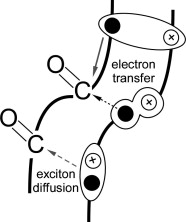
We have studied characteristics of photoexcitations and interfacial electronic structures of regioregular poly(3-hexlythiophene-2,5-diyl) (P3HT) on gold using two-photon photoemission (2PPE) spectroscopy. The vacuum level threshold is decreased by 1.3 eV from that of bare gold, attributable to interface dipole effects. The 2PPE spectral width narrows as the film thickness increases. We tentatively understand that this is due to destabilization of long-lived localized polaron, attributed to strong interchain interactions. On the basis of the analysis of the 2PPE distribution as a function of photon energy and laser power, the polaron level is located at 3.1 eV below the vacuum level. Using this value and a polaron level of 1.75 eV above the HOMO, we indirectly estimate an ionization potential of 4.85 eV for P3HT. An increase in two-photon photoemission yield with increasing photon energy is attributed to an enhanced electron-hole pair dissociation yield at higher photo-excitation levels. The decrease in power law slope with increasing film thickness is understood by Langevin recombination kinetics and saturation of photoexcitations.
- 13
Surface Chemistry and Interfacial Bonding of Benzyl Isocyanide on Cu(111)
Youngku Sohn; John M. White
J. Phys. Chem. C 2007, 111, 10003-10012. DOI ↗ 📊 인용 ↗
📄 초록 (English) ▾
The adsorption, thermal chemistry and interfacial electronic structure of benzyl isocyanide (BzNC, C 6 H 5 CH 2 NC) dosed on Cu(111) at 160 K have been studied using temperature-programmed desorption (TPD), X-ray photoelectron spectroscopy (XPS), and ultraviolet photoelectron spectroscopy (UPS). During TPD, BzNC dissociates above 280 K, leading to desorption of C 6 H 5 CH 3, H 2, and HCN. Intact BzNC also desorbs with local rate maxima at four different temperatures 247, 285, 340, and 455 K denoted β 1 −β 4 . The major peak (β 1, 455 K) is present for all doses. The other three β peaks grow in together and appear as β 1 approaches saturation. The β 2 peak at 247 K is very narrow and is attributed to BzNC desorption from crowded 2D islands accompanied by a stabilizing rearrangement of the remaining BzNC. Reflecting a strong permanent dipole that is oriented perpendicular to the surface, adsorption of 1 monolayer (ML) of BzNC on Cu(111) lowers the work function by 2.35 eV. The XPS and UPS results for this saturation coverage at 160 K are interpreted in terms of an ensemble average structure dominated by BzNC bound to Cu through the terminal carbon and dominated by σ-donation to Cu and minimal π-back-donation of electron density from Cu to BzNC. At lower coverages, a second structure involving both σ-donation and π-back-donation, signaled by a UPS resonance at 3.8 eV BE, becomes important, and for the lowest coverages, this second structure dominates.
- 12
Phenyl Isocyanide on Cu(111): Bonding and Interfacial Energy Level Alignment
Youngku Sohn; J. M. White
J. Phys. Chem. C 2007, 111, 7816-7825. DOI ↗ 📊 인용 ↗
📄 초록 (English) ▾
The bonding and interfacial energy level alignment of 2,5-dimethylphenyl isocyanide (dmPNC, (CH 3 ) 2 C 6 H 3 N⋮C) on Cu(111) have been studied using temperature-programmed desorption (TPD), X-ray photoelectron spectroscopy (XPS), and ultraviolet photoelectron spectroscopy (UPS). In TPD, there is no evidence for dissociation after dosing at 160 K. A tiny amount of residual carbon left after TPD to 850 K is attributed tentatively to surface oligomerization. Evidence is presented for two coverage- and temperature-dependent dmPNC bonding geometries σ-bonded (narrow 300 K TPD peak) and σ/π-synergetic bonded (broad 400 K TPD peak). The σ/π-form is dominant at low coverages and shifts to the σ-bonded form as the coverage increases toward 1.0 monolayer of dmPNC. Upon annealing the latter to 340 K, the coverage drops to 0.63 monolayer and the σ/π-form returns and dominates. The sharpness of the 300 K peak is attributed to desorption of some σ-bonded dmPNC accompanied by the transition of the remainder to σ/π-bonded dmPNC. As-dosed at 160 K, dmPNC lowers the work function by as much as 2.55 eV, a result consistent with a large, vertically aligned dipole associated with the −N⋮C group of adsorbed dmPNC. A relatively strong UPS signal at 3.8 eV binding energy for low coverages is attributed to electron density in a weak chemisorption bonding orbital between dmPNC and Cu that involves mixing of the lowest lying π* orbital of dmPNC with valence orbitals of Cu.
- 11
Bimolecular recombination kinetics and interfacial electronic structures of poly[2-methoxy-5-(2-ethyl-hexyloxy)-p-phenylene vinylene] on gold studied using two-photon photoemission spectroscopy
Youngku Sohn; John T. Stuckless
The Journal of Chemical Physics 2007, 126, 174901. DOI ↗ 📊 인용 ↗
📄 초록 (English) ▾
Photoexcitation kinetics and interfacial electronic structures of poly[2-methoxy-5(2-ethylhexyloxy)-p-phenylene vinylene] (MEH-PPV) film on gold have been investigated using two-photon photoemission spectroscopy (2PPE). The authors directly probed a fixed intermediate state located at 0.95 eV above the Fermi level (or 2.95 eV below the vacuum level), assigned to a charged polaron. Based on the power law slope and the 2PPE spectra with laser intensity, they found that the polaron follows a second order bimolecular annihilation process. The 2PPE yield dramatically increases with increasing photon energy. They attribute this to an enhanced dissociation of hotter excitons at higher excitation levels. The work function of MEH-PPV/Au is measured to be 3.9 eV, 1.2 eV downshift from the clean gold, attributable to interface dipole effects. The energy gap between the intermediate polaron state and the hole polaron level is estimated to be 2.45 eV.
- 10
Annealing effects on interfacial electronic structures and photoexcitation kinetics of regioregular poly(3-hexylthiophene) film on gold
Youngku Sohn; J. Todd Stuckless
Appl. Phys. Lett. 2007, 90, 171901. DOI ↗ 📊 인용 ↗
📄 초록 (English) ▾
The authors have studied annealing effects on the interfacial electronic structures and long-lived photoexcitation kinetics of poly(3-hexylthiophene-2,5-diyl) (P3HT) on gold, in comparison with poly[2-methoxy-5-(2′-ethyl-hexyloxy)-1,4-phenylene vinylene], using two-photon photoemission spectroscopy. Their studies show dramatic annealing effects on the two-photon photoemission yield and the kinetics of long-lived photoexcitations of P3HT. The interfacial electronic structures also strongly depend on the thermal annealing condition. Upon annealing P3HT, the photoemission yield is enhanced by two orders of magnitude, and the work function decreases by 1.0eV.
- 9
Phenylacetylene on Cu(111): Adsorption Geometry, Interfacial Electronic Structures and Thermal Chemistry
Y. Sohn; W. Wei; J. M. White
J. Phys. Chem. C 2007, 111, 5101-5110. DOI ↗ 📊 인용 ↗
📄 초록 (English) ▾
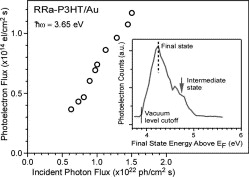
Phenylacetylene (PA, C 8 H 6 ) on Cu(111) has been studied using temperature-programmed desorption (TPD) and X-ray and ultra-violet photoelectron spectroscopy (XPS and UPS). Dosed at 100 K, physisorbed and chemisorbed PA are readily distinguished in TPD; the former desorbs at 165 K and the latter as three peaks 360 (γ 2 ), 410 (γ 1 ), and 500 K (γ d ). The most intense, γ 1, is attributed to cross-bridged PA with di-σ bonds of the acetylene carbons to Cu. The γ 2 peak is attributed to a vinylidene C 8 H 6 species with the terminal carbon of the vinyl group σ-bonded to Cu. Rehydrogenation of a partially dehydrogenated PA, e.g., C 8 H 5, accounts for the highest temperature PA peak, γ d . According to XPS, at saturation monolayer coverage, there is one chemisorbed PA for every 4 surface Cu atoms. At this coverage, a local 4 × -rect arrangement of cross-bridged PA adequately accounts for our results. For monolayer PA, the work function at 100 K is 0.75 eV below that of Cu indicating electron density shifts from PA toward Cu. The HOMO level of chemisorbed PA is located 3.5 eV below the Fermi level. Annealing a saturated monolayer to 810 K leaves 23 ± 2% of the initial carbon consistent with observed desorption of hydrogen, acetylene, and styrene. Hydrogenation of cross-bridged PA, not vinylidene, accounts for the formation of styrene.
2004
- 7
Two-photon photoelectron spectroscopy of conjugated polymer thin films on gold
Y. Sohn; J. Richter; J. Ament; J. Todd Stuckless
Appl. Phys. Lett. 2004, 84, 76-78. DOI ↗ 📊 인용 ↗
📄 초록 (English) ▾
We present results for two-photon photoelectron spectroscopy of thin regioregular poly-3-hexyl-thiophene films on a gold metal substrate. The photoemission quantum yields are orders of magnitude larger than that of bare gold at the same laser intensity. Furthermore, we observe a strong increase of the quantum yield with increasing film thickness accompanied by a decreasing yield slope with respect to laser power. Our findings can be understood by assuming the creation of a long-lived intermediate state excitation that couples to the metal surface. This view is further supported by the dependence of the electron kinetic energy spectra on the laser photon energy.
2001
- 6
Spectral holes and induced luminescence in KCl co-doped with Eu2+and Eu3+ions
Jun-Gill Kang; Jae-Sun Jung; Jung-Pyo Hong; Seok-Jae Won; Youngku Sohn; Choong Kyun Rhee
Journal of Physics: Condensed Matter 2001, 13, 2835-2843. DOI ↗ 📊 인용 ↗
📄 초록 (English) ▾
The luminescence spectrum of KCl co-doped with divalent and trivalent europium ions was measured as a function of temperature in order to characterize novel spectral holes that appear in the blue emission from Eu2+. The radiative energy transfer from Eu2+ to Eu3+ produces the spectral holes and induces the luminescence from Eu3+ responsible for the 5D0→7FJ (J = 0, 1, 2, 3, 4) transitions. The holes and the induced luminescence are strongly associated with the thermal band broadening of the blue emission. In addition, the observed line splitting of the induced luminescence of Eu3+ is also discussed in terms of a crystal-field Hamiltonian.
2000
- 5
Determination of the structure of EuTETA and the luminescence properties of EuTETA and EuDOTA (TETA=1,4,8,11-tetraazacyclotetradecane-1,4,8,11-tetraacetate and DOTA=1,4,7,10-tetraazacyclododecane-1,4,7,10-tetraacetate)
Jun-Gill Kang; Min-Kook Na; Soo-Kyung Yoon; Youngku Sohn; Youn-Doo Kim; Il-Hwan Suh
- 4
Polarized emission from KCl:Eu2+single crystals
Jun-Gill Kang; Youngku Sohn; Min-Kook Nah; Youn-Doo Kim; Elmer A Ogryzlo
Journal of Physics: Condensed Matter 2000, 12, 3485-3495. DOI ↗ 📊 인용 ↗
📄 초록 (English) ▾
The polarization emission spectrum and the angular dependence of polarization ratio of the blue emission from KCl:Eu2+were investigated at 78.8 K. The polarized emission at 420 nm consisted of several components. The angular dependence of polarization ratio of each component is proportional to sin(2 ) or -cos(2 ), when the exciting light is polarized at with respect to the z -axis for the [100]-[010] optical arrangement. The relaxed excited states (RESs) of Eu2+responsible for the 420 nm emission are presented in terms of the adiabatic potential energy surface (APES), taking into account the Jahn-Teller effect (JTE) coupling to the Eg mode and the spin-orbit (SO) interaction. The charge-compensating cation vacancy (CCV, Vc - ) also causes an additive perturbation.
- 3
Luminescence from KCl co-doped with Eu2+and Eu3+ions
Kang Jun-Gill; Nah Min-Kook; Sohn Youngku
Journal of Physics: Condensed Matter 2000, 12, L199-L203. DOI ↗ 📊 인용 ↗
📄 초록 (English) ▾
Distinct holes are found in the blue emission from KCl co-doped with divalent and trivalent europium ions. This extraordinary emission feature is associated with the process of reabsorption from Eu2+to Eu3+ions in KCL.
1999
- 2
Crystal structure and luminescence of Na[Eu(DCTA)·H2O]·4H2O (DCTA = trans-cyclohexane-1,2-diyldinitrilotetraacetate)
Jun-Gill Kang; Soo-Kyung Yoon; Youngku Sohn; Jong-Goo Kim; Youn-Doo Kim; Il-Hwan Suh
Journal of the Chemical Society, Dalton Transactions 1999, 1467. DOI ↗ 📊 인용 ↗
📄 초록 (English) ▾
The crystal structure and the luminescence of the complex Na[Eu(DCTA)·H2O]·4H2O (DCTA = trans-cyclohexane-1,2-diyldinitrilotetraacetate) have been determined. In the structure the EuIII is co-ordinated by two nitrogen atoms and four terminal oxygen atoms of two iminodiacetate groups, and two water oxygen atoms which bridge two adjacent EuIII. When the crystals are excited by UV light they produce a very characteristic luminescence responsible for the 5D0 → 7FJ (J = 0, 1, 2, 3, 4) transitions. The energy-level scheme of the 7FJ states and detailed assignments for the observed luminescence lines have been proposed by phenomenological simulation in the framework of the free-ion and crystal-field Hamiltonians. Although an additional correction to the free-ion model is needed for the barycenter shifting due to the complexation, the set of refined crystal-field parameters under C2v site symmetry satisfactorily reproduces the fine splitting of the luminescence lines in the 5D0 → 7FJ (J = 0, 1, 2, 3, 4) transitions. The behavior of the maximum splitting of the 7F1 manifold is also discussed in terms of a scalar crystal-field strength parameter.
1998
※ 각 논문의 초록은 저자(본 연구실)가 발표한 출판본에서 옮겨온 것이며, 확정본(Version of Record)은 DOI 링크에서 확인하실 수 있습니다. 한국어 초록은 연구실에서 옮긴 비공식 번역입니다.