Publications
Publications
여러 단어 = 모두 포함(AND) · 정확한 문구는 큰따옴표: "Youngku Sohn" · 문구가 통째로 있는 논문이 먼저 나옵니다 · DOI로도 검색됩니다
2018
- 149
Charge carrier generation and control on plasmonic Au clusters functionalized TiO2 thin films for enhanced visible light water splitting activity
Adem Sreedhar; I. Neelakanta Reddy; Jin Hyuk Kwon; Jonghoon Yi; Youngku Sohn; Jin Seog Gwag; Jin-Seo Noh
Ceram. Int. 2018, 44, 18978-18986. DOI ↗ 📊 인용 ↗
📄 초록 (English) ▾
We present the remarkable plasmon-enhanced photoelectrochemical (PEC) water splitting activity by swapping the gold (Au) clusters position at TiO2 interface. Specifically, we propose novel and strategic Au clusters functionalized TiO2 thin films (Au/TiO2 and TiO2/Au) as a potential photoelectrode to regulate the charge carrier generation and transportation by creating progressive localized electric field and surface plasmon resonance platforms. Firstly, XRD results suggests that significant structural changes in the preferred (101) plane of anatase TiO2 with respect to Au (111). Furthermore, we have carried out XPS spectra to confirm the presence of Ti, O and Au anchoring sites. Moreover, FESEM images revealed successful distribution of Au clusters on and under the TiO2 surface. Interestingly, optical transmittance was effectively varied by the Au clusters position. As a result, C-V, I-V and I-t studies accurately demonstrated the establishing of localized electric field at the Au cluster-TiO2 interface, which yielded remarkable charge carrier generation and long-term stability by the Au/TiO2 photoelectrode than TiO2/Au. As evidenced from the above results, the tailored Au/TiO2 sequence exhibits superior PEC water splitting activity through establishing the trapping of incident light due to the confinement of Au clusters under the TiO2. Comprehensively, the optimization of the above findings represents an interesting route to develop the novel energy conversion devices for water splitting application.
- 148
Paramagnetic Ho2O3 nanowires, nano-square sheets, and nanoplates
Hye In Lee; Sung Woo Lee; Choong Kyun Rhee; Youngku Sohn
Ceram. Int. 2018, 44, 17919-17924. DOI ↗ 📊 인용 ↗
📄 초록 (English) ▾
The morphology control of holmium oxide (Ho 2 O 3 ) nanostructures has rarely been reported. In the present study, uniform Ho 2 O 3 nanowires, nano-square sheets, and nanoplates were synthesized via the hydrothermal method and were characterized using scanning electron microscopy, high-resolution transmission electron microscopy, Fourier-transform infrared spectroscopy, thermogravimetric analysis, ultraviolet–visible–near-infrared absorption, and X-ray photoelectron spectroscopy. The morphology was observed to be composed of different crystal phases and Ho complexes, but it changed to the same cubic Ho 2 O 3 crystal phase upon high-temperature thermal treatment. Paramagnetic properties were obtained and discussed for the three different morphologies mentioned above. The newly reported morphologies and the physicochemical properties reported herein will widen the application scope of Ho oxide materials.
- 147
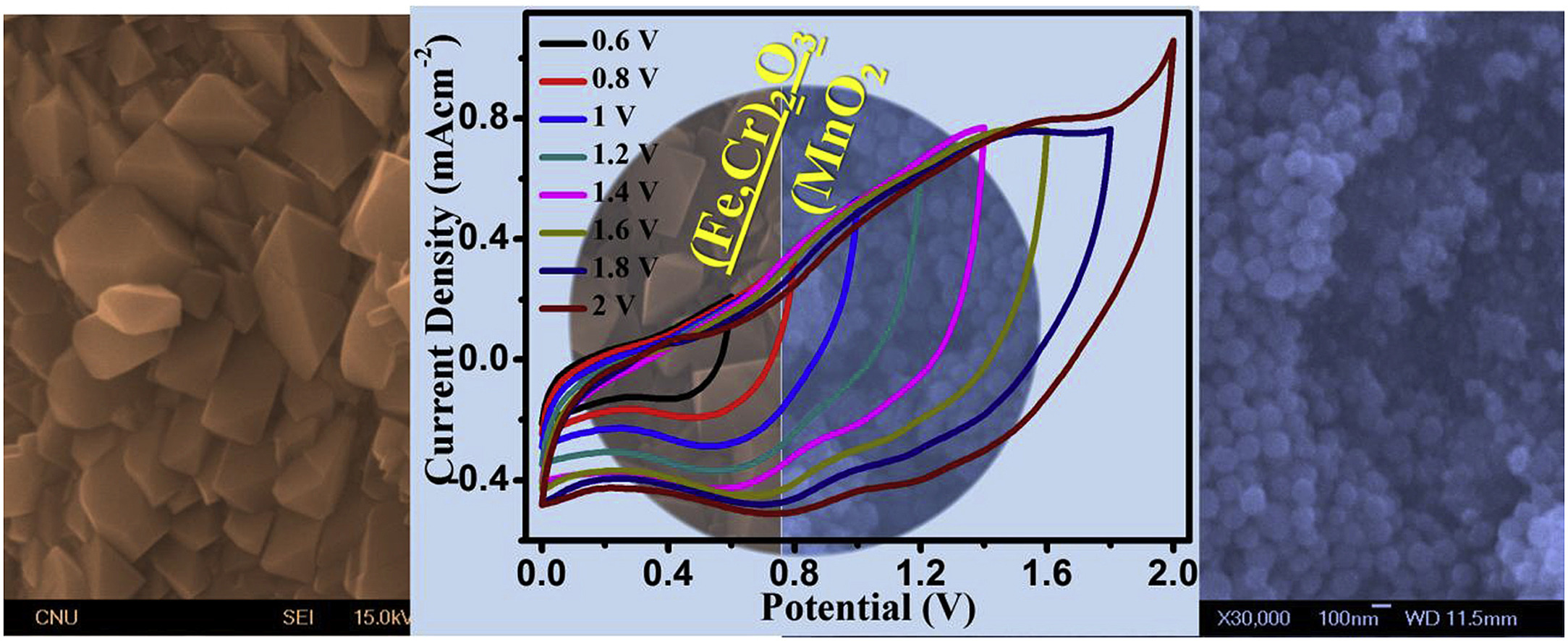
Electrochemical performance of facile developed aqueous asymmetric (Fe,Cr)2O3//MnO2 supercapacitor
P.R. Deshmukh; Youngku Sohn; Weon Gyu Shin
Electrochim. Acta 2018, 285, 381-392. DOI ↗ 📊 인용 ↗
📄 초록 (English) ▾
The present study demonstrate the development of novel aqueous asymmetric supercapacitor based on polygonal integrated oxide layer ((Fe,Cr) 2 O 3 ) as the anode and spherical MnO 2 nanoparticles as the cathode. The polygonal (Fe,Cr) 2 O 3 integrated oxide layer was obtained by the simple thermal oxidation method and low-cost, scalable chemical route was employed for the synthesis of spherical MnO 2 nanoparticles. Furthermore, electrochemical investigations of asymmetric supercapacitor (ASC) studied in aqueous electrolytes show an extended operating voltage of 1.6 and 2.0 V with the maximum specific capacitance of 34 and 37 Fg -1 in KOH and Na 2 SO 4 , respectively. The observed energy density and power density of ASC in Na 2 SO 4 (or KOH) electrolyte is 20.89 (or 12.36) Whkg −1 and 2173.913 (or 1739) Wkg −1 , respectively. ASC shows the better capacitance retention over the 5000 cycles in both the electrolytes. Therefore, present study open-up new construction of inexpensive petty (Fe,Cr) 2 O 3 anode material for the development of high energy density ASCs.
- 146
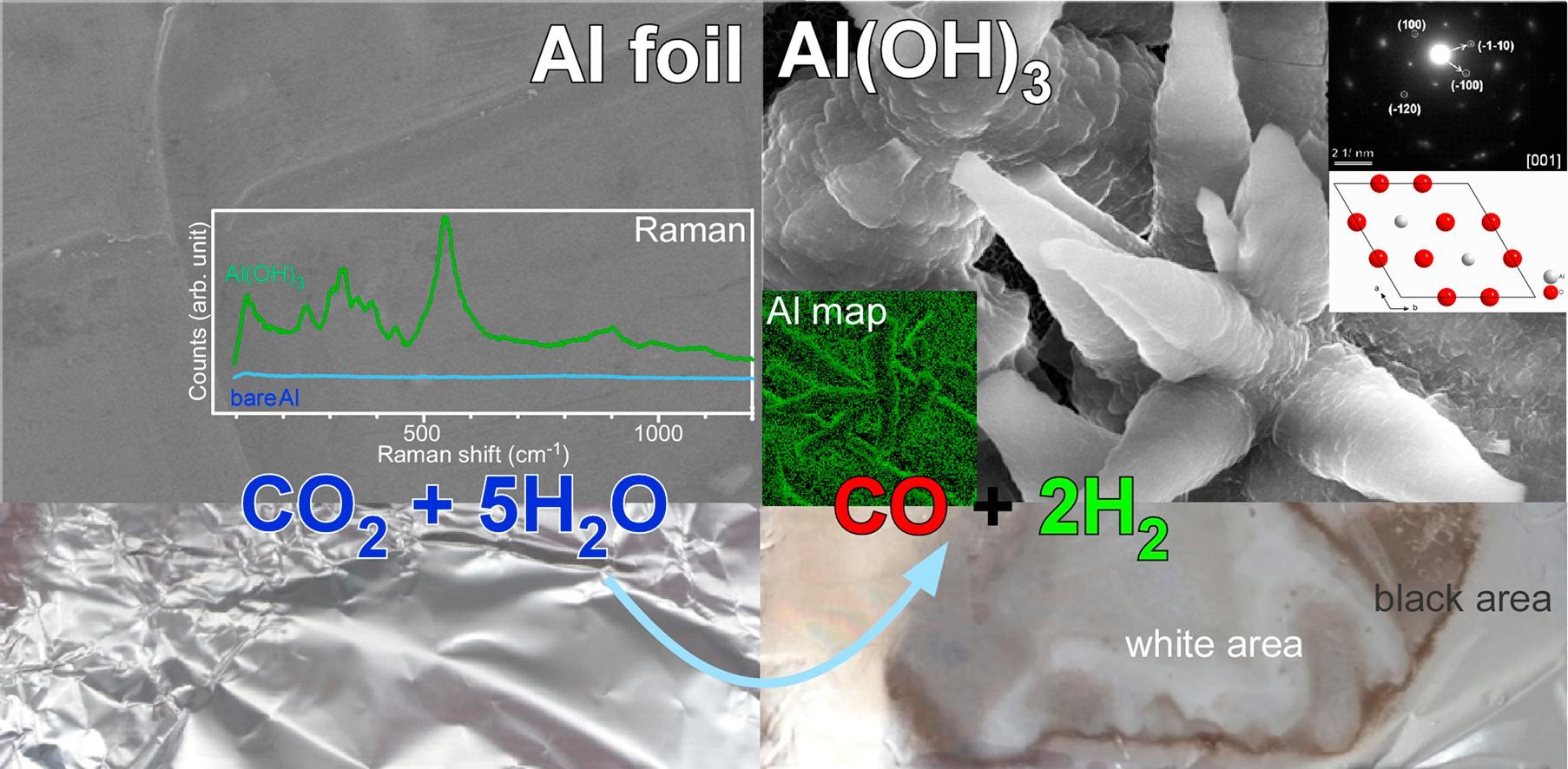
Stalagmite Al(OH)3 growth on aluminum foil surface by catalytic CO2 reduction with H2O
Hee Jung Yoon; Seog K. Kim; Sung Woo Lee; Youngku Sohn
Appl. Surf. Sci. 2018, 450, 85-90. DOI ↗ 📊 인용 ↗
📄 초록 (English) ▾
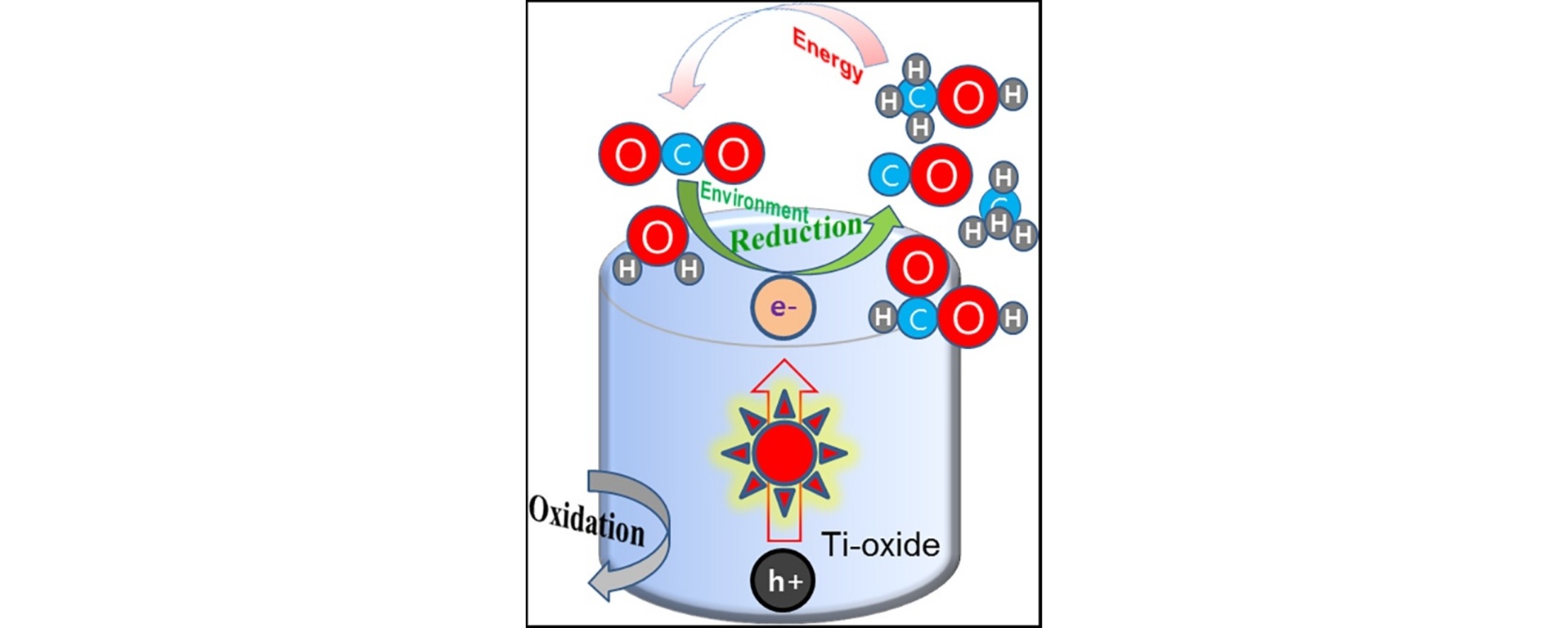
CO2 reduction on a catalytic surface is a very attractive research for energy and environments. In the present study, CO2 with H2O was found to be reduced to CO on an aluminum foil surface with evolution of H2, which resulted in the growth of stalagmite Al(OH)3 on this surface. The reduction was found to be highly temperature dependent. The crystal growth and the changes in the crystal structure were confirmed by scanning electron microscopy, high resolution transmission electron microscopy, X-ray diffraction crystallography, FT-IR, and Raman spectroscopy. The surface chemical oxidation states were examined by Auger elemental mapping and X-ray photoelectron spectroscopy. The reaction mechanism was proposed to 2Al + CO2 + 5H2O → 2Al(OH)3 + CO + 2H2. The evolution of CO and H2 was confirmed by gas-chromatography and gas sensors. These new findings highlight the potential of performing the reduction of CO2 on a metal surface by understanding its surface reactions.
- 145
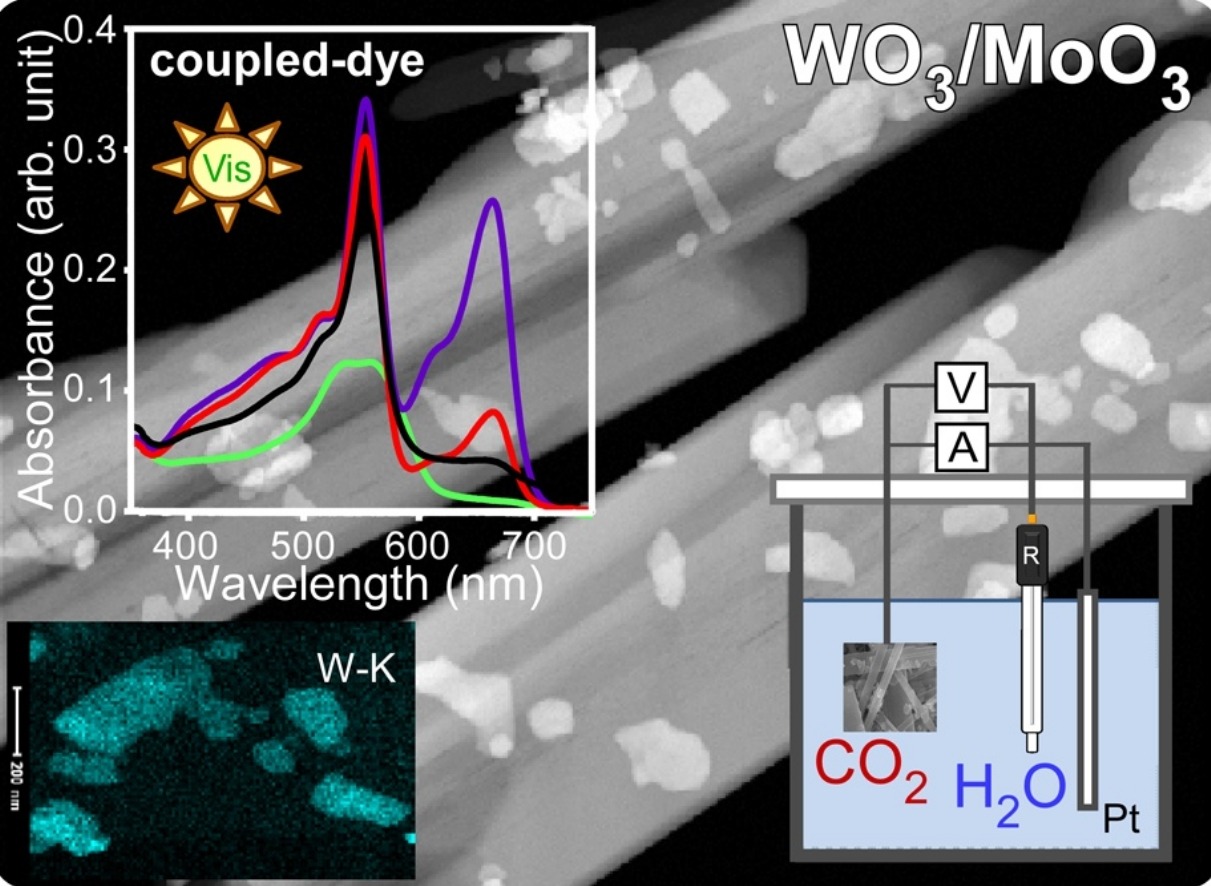
Understanding photocatalytic coupled-dye degradation, and photoelectrocatalytic water splitting and CO2 reduction over WO3/MoO3 hybrid nanostructures
Jisuk Lee; Seog K. Kim; Youngku Sohn
J. Ind. Eng. Chem. 2018, 62, 362-374. DOI ↗ 📊 인용 ↗
📄 초록 (English) ▾
WO3/MoO3 hybrid nanostructures were first prepared by a two-step hydrothermal method and applied to photocatalytic coupled-dye degradation, photoelectrocatalytic water splitting and CO2 reduction. Methyl orange (MO), rhodamine B (RhB) and methylene blue (MB) were used to examine dye coupling effect for photodegradation. Poorly photodegraded MO was found to be easily removed by coupling with MB. W-rich oxide material was found to be efficient for removal of MO and MB while Mo-rich material was more efficient for RhB. The WO3/MoO3 hybrid structure showed a dramatically improved performance than those of pure WO3 and MoO3 for water splitting and CO2 reduction.
- 144
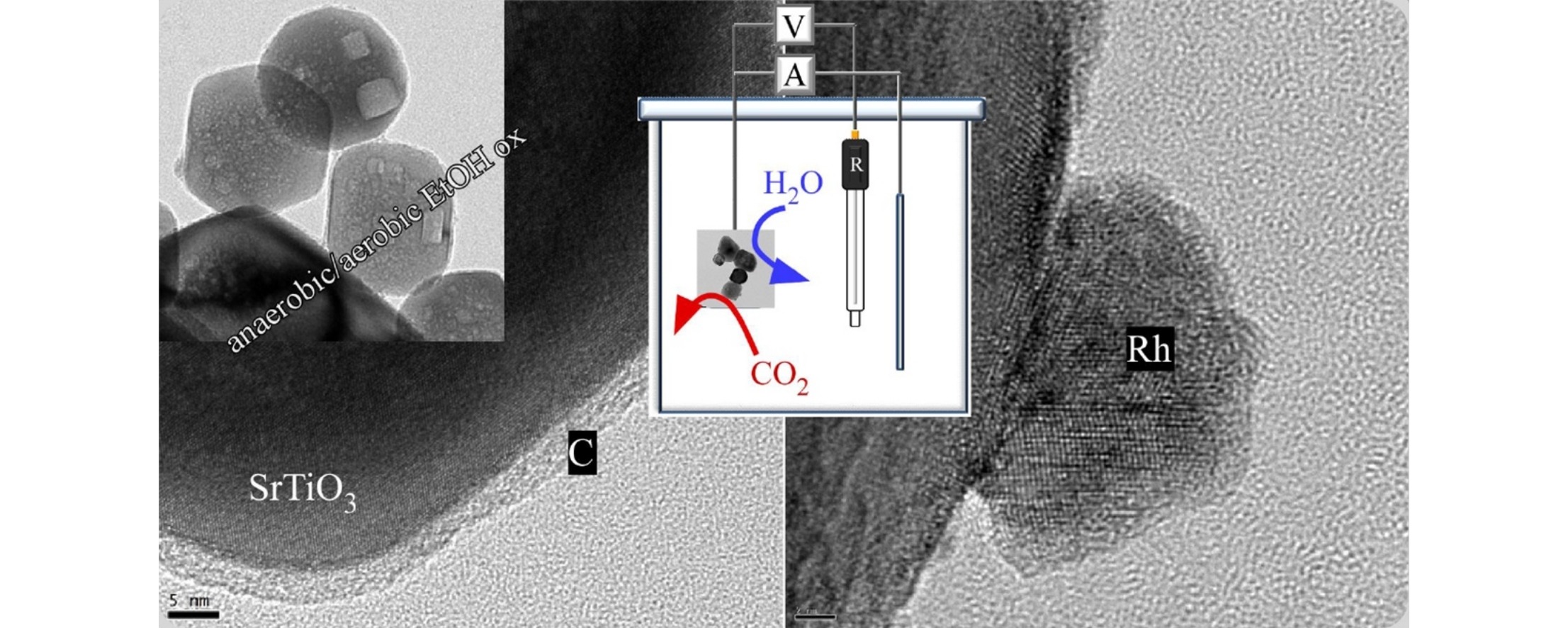
Comparable electrocatalytic performances of carbon- and Rh-loaded SrTiO3 nanoparticles
Hee Jung Yoon; Seog K. Kim; Weixin Huang; Youngku Sohn
Chinese Chemical Letters 2018, 29, 800-804. DOI ↗ 📊 인용 ↗
📄 초록 (English) ▾
Carbon- and Rh-loaded strontium titanate (SrTiO3) nanoparticles (NPs) were synthesized respectively by the wet impregnation method and the aerobic and anaerobic ethanol oxidation methods, and characterized by scanning electron microscopy, high resolution transmission electron microscopy, X-ray diffraction crystallography, UV–vis absorption, Raman spectroscopy, and X-ray photoelectron spectroscopy. Carbon was shown to be uniformly coated on SrTiO3 NPs by the aerobic and anaerobic ethanol oxidation methods Electrocatalytic activities of unmodified and modified SrTiO3 NPs were tested for water splitting and CO2 reduction. The aerobic C-coated and Rh-loaded SrTiO3 catalysts showed comparable activity that was increased by >10-fold of that of unmodified SrTiO3 catalyst. These results demonstrate that both metallic and nonmetallic surface modifications can highly improve the electrocatalytic activity of SrTiO3 NPs and point to highlight a more important role of the modifier in the electrocatalytic reactions than of the SrTiO3 structure.
- 141
ZnO-TiO2 Core–Shell Nanowires: A Sustainable Photoanode for Enhanced Photoelectrochemical Water Splitting
Kyuwon Jeong; Prashant R. Deshmukh; Jinse Park; Youngku Sohn; Weon Gyu Shin
ACS Sustainable Chemistry & Engineering 2018, 6, 6518-6526. DOI ↗ 📊 인용 ↗
📄 초록 (English) ▾
We present the synthesis of a unique vertically aligned ZnO-TiO2 core–shell nanowires (NWs) heterostructure on an Si-wafer using a chemical vapor deposition method. The structural study shows the well-developed ZnO-TiO2 core–shell NWs heterostructure. This unique ZnO-TiO2 core–shell NWs heterostructure displays a photocurrent density of 1.23 mA cm–2, which is 2.41 times higher than pristine ZnO NWs. A cathodic shift in the flat band potential and a lower onset potential of a ZnO-TiO2 core–shell NWs heterostructure over ZnO NWs indicates more favorable properties for photoelectrochemical water splitting with a photoconversion efficiencey of 0.53%. A higher photocurrent density/photoconversion efficiency is due to the effective addition of photogenerated electron–hole separation originating from the ZnO NWs core and the conformal covering of a amorphous TiO2 passivation shell. Therefore, these results suggest that the vertically aligned one-dimentional ZnO-TiO2 core–shell NWs heterostructure is a promising photoanode for solar energy conversion devices.
- 139
Bimetallic Au@M (M = Ag, Pd, Fe, and Cu) Nanoarchitectures Mediated by 1,4-Phenylene Diisocyanide Functionalization
Jung-Soo Kang; Youngku Sohn; Debabrata Pradhan; Kam Tong Leung
Langmuir 2018, 34, 2849-2855. DOI ↗ 📊 인용 ↗
📄 초록 (English) ▾
Hybridization with gold has attracted a lot of attention in many application areas such as energy, nanomedicine, and catalysts. Here, we demonstrate electrochemical hybridization of two different metals by using bare and 1,4-phenylene diisocyanide (PDI) functionalized gold nanoislands (GNIs) supported on a Si substrate. As pristine GNIs are not tightly locked on the Si surface, bimetallic Au@M (M = Ag, Pd, Fe, and Cu) core-shell type nanostructures are produced by an electric-field-induced clustering of GNIs and metal deposition. On the other hand, upon functionalization of GNIs by PDI, 3D island growth on the functionalized GNI template is observed as PDI acts as a protector against the electric-field-induced clustering. Depth-profiling X-ray photoelectron spectroscopy reveals no discernible difference in the interfacial electronic structures of hybrid metals prepared by using pristine and PDI-functionalized GNI templates. This work demonstrates a new approach to produce a secured template and to manipulate growth of hybrid nanoparticles on this template supported on a Si substrate by using electrodeposition and organic functionalization.
- 138
Photoelectrocatalytic effect of unbalanced RF magnetron sputtered TiO 2 thin film on ITO-coated patterned SiO 2 nanocone arrays
Gyu Jin Choi; Hyemin Jung; Dong Ho Kim; Youngku Sohn; Jin Seog Gwag
Catalysis Science & Technology 2018, 8, 898-906. DOI ↗ 📊 인용 ↗
📄 초록 (English) ▾
Highly increased photocurrent response of unbalanced RF magnetron sputtered TiO 2 thin film on ITO-coated patterned SiO 2 nanocone arrays.
- 137
Development of an Fe 3 O 4 @Cu silicate based sensing platform for the electrochemical sensing of dopamine
Ashok Kumar Das; Rambabu Kuchi; Phuoc Cao Van; Youngku Sohn; Jong-Ryul Jeong
RSC Adv. 2018, 8, 31037-31047. DOI ↗ 📊 인용 ↗
📄 초록 (English) ▾
@Cu silicate and the negatively charged surface of the Cu silicate shell play a vital role in achieving high selectivity and sensitivity during DA sensing. The current investigation not only represents the development of a highly selective DA sensor but also directs towards the possibility for the fabrication of other Cu silicate based core-shell nanostructures for the precise detection of DA.
2017
- 136
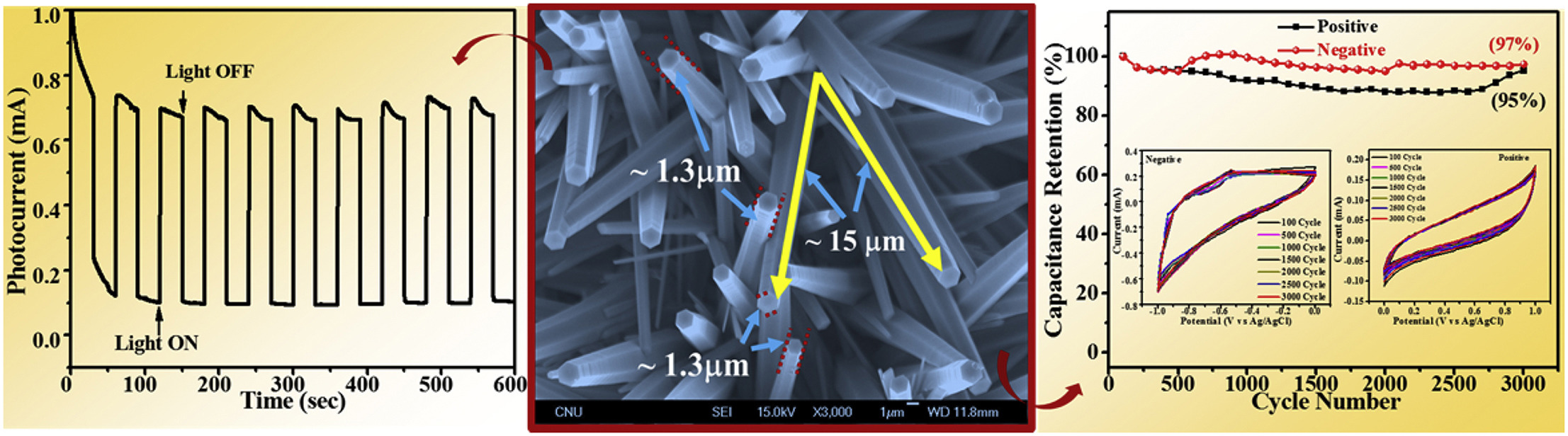
Flexible Solid-State Symmetric Supercapacitor Based on (Fe,Cr)2O3 Oxide Layer Developed on the Stainless Steel Mesh
Prashant R. Deshmukh; Youngku Sohn; Weon Gyu Shin
ACS Sustainable Chemistry & Engineering 2017, 6, 300-310. DOI ↗ 📊 인용 ↗
📄 초록 (English) ▾
The present work describes a simple, easy, and scalable thermal oxidation process for the development of the polygonal structure of the (Fe,Cr) 2 O 3 oxide layer on the stainless steel mesh in an ambient atmosphere. The developed oxide layer shows the maximum areal capacitance of 45.92 mF cm –2 at a scan rate of 5 mV s –1 with an extraordinary capacitance retention of 97% over the 10 000 cycles. Furthermore, a flexible solid-state symmetric supercapacitor is assembled with the (Fe,Cr) 2 O 3 oxide layer as electrodes using polymer-gel electrolyte, which substantially demonstrates a pseudocapacitive nature with the maximum areal capacitance of 16.88 mF cm –2 at a scan rate of 5 mV s –1, capacitance retention of 90% after 10 000 cycles, an energy density (0.57 mWh cm –2 ) and power density (200 mW cm –2 ). Furthermore, it demonstrates constant capacitance retention over 500 bending cycles as well as excellent electrochemical durability (90% over 2000 cycles) under bent and twisted conditions. These charming performances suggest the present (Fe,Cr) 2 O 3 oxide layer has a widespread potential application for next generation supercapacitors in high energy density flexible storage systems.
- 134
Highly Active Tungsten Oxide Nanoplate Electrocatalysts for the Hydrogen Evolution Reaction in Acidic and Near Neutral Electrolytes
Arpan Kumar Nayak; Manju Verma; Youngku Sohn; Parag A. Deshpande; Debabrata Pradhan
ACS Omega 2017, 2, 7039-7047. DOI ↗ 📊 인용 ↗
📄 초록 (English) ▾
High Resolution Image Download MS PowerPoint Slide An efficient, cost-effective, and earth-abundant catalyst that could drive the production of hydrogen from water without or with little external energy is the ultimate goal toward hydrogen economy. Herein, nanoplates of tungsten oxide and its hydrates (WO 3 ·H 2 O) as promising electrocatalysts for the hydrogen evolution reaction (HER) are reported. The square-shaped and stacked WO 3 ·H 2 O nanoplates are synthesized at room temperature under air in ethanol only, making it as a promising green synthesis strategy. The repeated electrochemical cyclic voltammetry cycles modified the surface of WO 3 ·H 2 O nanoplates to WO 3 as confirmed by X-ray photoelectron and Auger spectroscopy, which leads to an improved HER activity. Hydrogen evolution is further achieved from distilled water (pH 5.67) producing 1 mA cm –2 at an overpotential of 15 mV versus the reversible hydrogen electrode. Moreover, WO 3 ·H 2 O and WO 3 nanoplates demonstrate excellent durability in acidic and neutral media, which is highly desirable for practical application. Improved hydrogen evolution by WO 3 (200) when compared to that by Pt(111) is further substantiated by the density functional theory calculations.
- 131
Hydrothermal Synthesis and Characterization of Sm2O2SO4 Nanoplates
Sung Woo Lee; Jong‐Ryul Jeong; Choon Sup Ra; Youngku Sohn
Bull. Korean Chem. Soc. 2017, 38, 1149-1154. DOI ↗ 📊 인용 ↗
📄 초록 (English) ▾
Developing a material with a new morphology is very important for improving the functional performance and finding new applications. Monoclinic samarium oxysulfate ( Sm 2 O 2 SO 4 ) nanoplates were first prepared using a hydrothermal process followed by a post‐annealing treatment of an as‐synthesized Sm 2 ( OH ) 4 SO 4 · 2H 2 O plate at 450 °C. The fundamental physicochemical properties were examined by scanning electron microscopy, high‐resolution transmission electron microscopy, Rietveld X‐ray diffraction crystallographic data analysis, thermogravimetric analysis/differential scanning calorimetry, Fourier transform‐infrared spectroscopy, Raman spectroscopy, ultraviolet–visible‐ NIR absorption, and X‐ray photoelectron spectroscopy.
- 130
Facile Green Synthesis of WO3·H2O Nanoplates and WO3 Nanowires with Enhanced Photoelectrochemical Performance
Arpan Kumar Nayak; Youngku Sohn; Debabrata Pradhan
Crystal Growth & Design 2017, 17, 4949-4957. DOI ↗ 📊 인용 ↗
📄 초록 (English) ▾
The synthesis of nanostructured materials with controlled shape without using a capping agent and/or a hazardous chemical is one of the major existing challenges. Herein, we report a facile precipitation method to synthesize stacked orthorhombic tungsten trioxide hydrate (WO 3 ·H 2 O) nanoplates by simply mixing WCl 6 (0.025 M) in ethanol at room temperature for 1 h. On subsequent solvothermal treatment of WO 3 ·H 2 O nanoplates at 200 °C in ethanol, formation of monoclinic tungsten trioxide (WO 3 ) nanowires of <20 nm diameter is demonstrated. The morphology evolution of WO 3 nanowires from WO 3 ·H 2 O nanoplates and change in growth direction through dissolution and recrystallization process is further confirmed by varying the solvothermal duration and temperature. The as-synthesized WO 3 ·H 2 O nanoplates and WO 3 nanowires are used as photoanodes for the hydrogen generation through photoelectrochemical (PEC) water splitting in a neutral pH. The photocurrent density of WO 3 nanowires is found ∼21 times higher than that of WO 3 ·H 2 O nanoplates at 1.0 V vs saturated calomel electrode (SCE) and also higher than the reported WO 3 nanostructures. The superior PEC performance of WO 3 nanowires is justified on the basis of its (200) oriented one-dimensional morphology, large surface area, and small interfacial charge transfer resistance.
- 127
- 125
Crystal Phase and Size-Controlled Synthesis of Tungsten Trioxide Hydrate Nanoplates at Room Temperature: Enhanced Cr(VI) Photoreduction and Methylene Blue Adsorption Properties
Arpan Kumar Nayak; Seungwon Lee; Young In Choi; Hee Jung Yoon; Youngku Sohn; Debabrata Pradhan
ACS Sustainable Chemistry & Engineering 2017, 5, 2741-2750. DOI ↗ 📊 인용 ↗
📄 초록 (English) ▾
Controlling the crystal phase of a material using solution-based method is a challenging task and has significant consequence to the material’s properties. Herein we report the phase and size-controlled synthesis of tungsten oxide hydrates at room temperature via a simple precipitation method. In the absence and presence of oxalic acid, orthorhombic WO 3 ·H 2 O and monoclinic WO 3 ·2H 2 O nanoplates of size in the range of 200–600 (thickness 95%) by adsorption on the nanoplates within a minute, suggesting the importance and potential of a material that can be synthesized at room temperature.
- 123
Electrooptical threshold behavior of electroconvection in twisted nematic liquid crystal cells
Jae Min Song; Gyu-Jin Choi; Jin Seog Gwag; Youngku Sohn; Jong-Hoon Huh
Journal of the Korean Physical Society 2017, 70, 276-280. DOI ↗ 📊 인용 ↗
📄 초록 (English) ▾
In this paper, the electrooptical threshold behavior of electroconvection caused by the electrohydrodynamic instability in twisted nematic liquid crystal cells is presented. We observed the electroconvection optically and analyzed the change in the electrical threshold behavior according to the twisted angles in twisted liquid crystal cells in the conduction region that shows the Williams domain, which is one of the most basic patterns for electroconvection in an anisotropic fluid like liquid crystals (LCs). As a result, we confirmed that in the low frequency conduction regio where the Williams domain appears, the threshold voltage decreased as the twist angle increased even though the twist structure enhanced the effective viscosity in liquid flow. The increase in the twist angle may shorten the charge relaxation time because a twisted LC is a structure that more easily accumulates electrical charges on local curvatures.
2016
- 121
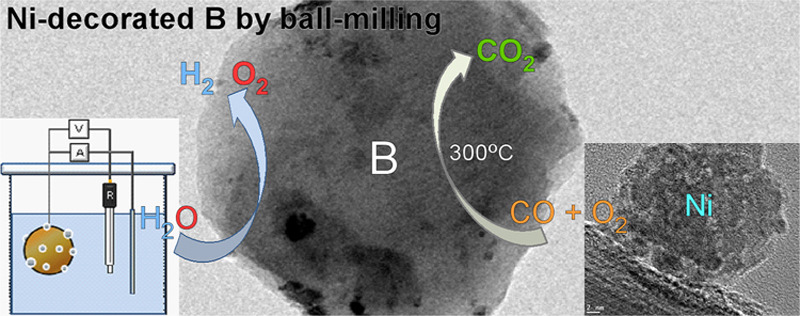
Preparation of TiO2-Decorated Boron Particles by Wet Ball Milling and their Photoelectrochemical Hydrogen and Oxygen Evolution Reactions
Hye Jung; Kyusuk Nam; Hong-Gye Sung; Hyung Hyun; Youngku Sohn; Weon Shin
Materials 2016, 9, 1012. DOI ↗ 📊 인용 ↗
📄 초록 (English) ▾
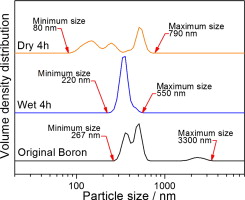
TiO₂-coated boron particles were prepared by a wet ball milling method, with the particle size distribution and average particle size being easily controlled by varying the milling operation time. Based on the results from X-ray photoelectron spectroscopy, transmission electron microscopy, energy dispersive X-ray analysis, and Fourier transform infrared spectroscopy, it was confirmed that the initial oxide layer on the boron particles surface was removed by the wet milling process, and that a new B-O-Ti bond was formed on the boron surface. The uniform TiO₂ layer on the 150 nm boron particles was estimated to be 10 nm thick. Based on linear sweep voltammetry, cyclic voltammetry, current-time amperometry, and electrochemical impedance analyses, the potential for the application of TiO₂-coated boron particles as a photoelectrochemical catalyst was demonstrated. A current of 250 μA was obtained at a potential of 0.5 V for hydrogen evolution, with an onset potential near to 0.0 V. Finally, a current of 220 μA was obtained at a potential of 1.0 V for oxygen evolution.
- 119
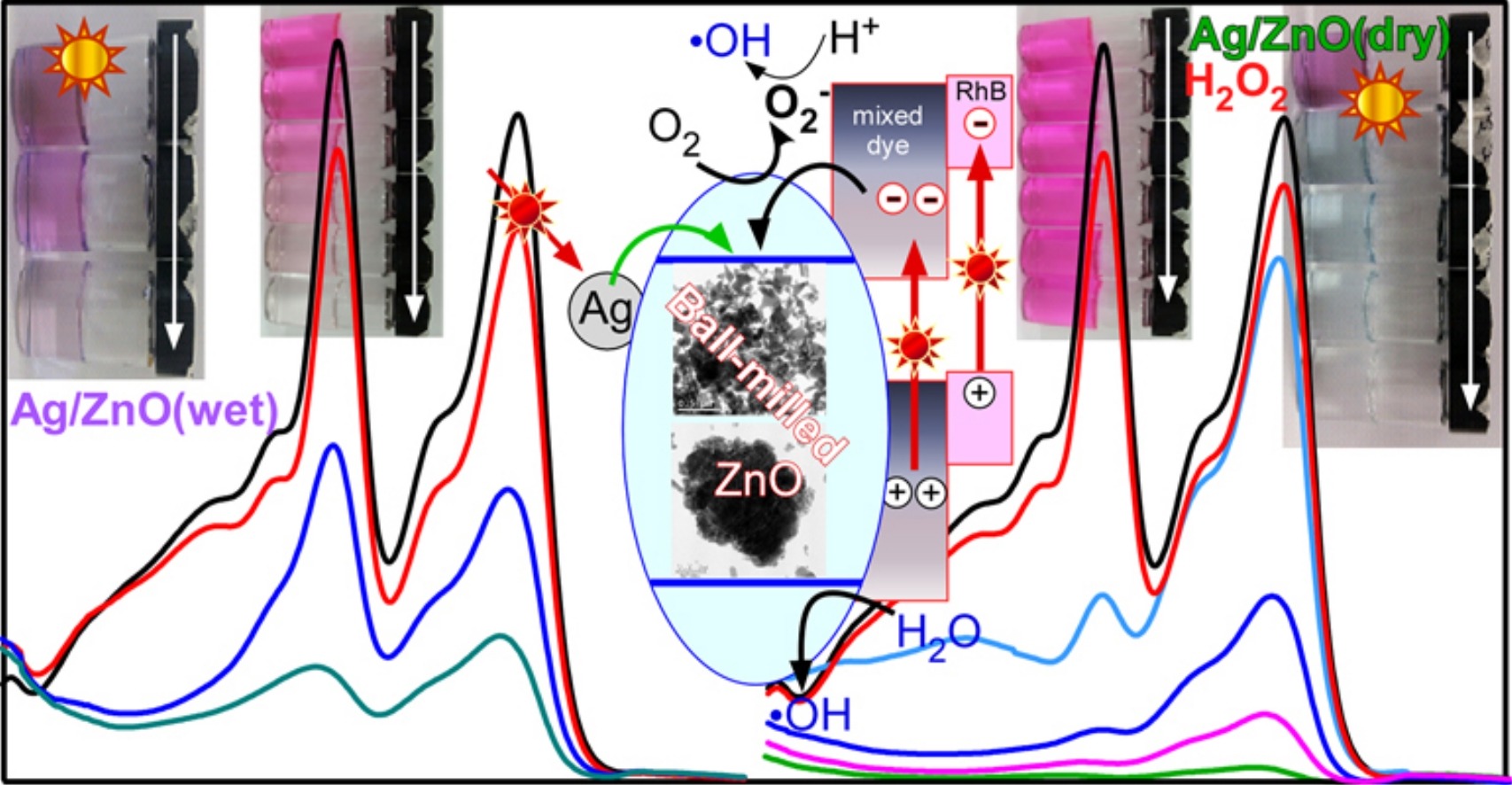
Application of Ni-Oxide@TiO2 Core-Shell Structures to Photocatalytic Mixed Dye Degradation, CO Oxidation, and Supercapacitors
Seungwon Lee; Jisuk Lee; Kyusuk Nam; Weon Shin; Youngku Sohn
Materials 2016, 9, 1024. DOI ↗ 📊 인용 ↗
📄 초록 (English) ▾
Performing diverse application tests on synthesized metal oxides is critical for identifying suitable application areas based on the material performances. In the present study, Ni-oxide@TiO₂ core-shell materials were synthesized and applied to photocatalytic mixed dye (methyl orange + rhodamine + methylene blue) degradation under ultraviolet (UV) and visible lights, CO oxidation, and supercapacitors. Their physicochemical properties were examined by field-emission scanning electron microscopy, X-ray diffraction analysis, Fourier-transform infrared spectroscopy, and UV-visible absorption spectroscopy. It was shown that their performances were highly dependent on the morphology, thermal treatment procedure, and TiO₂ overlayer coating.
- 118
Interfacial Electronic Structure of Electrodeposited Ag Nanoparticles on Iron Oxide Nanorice Particles
Youngku Sohn
Bull. Korean Chem. Soc. 2016, 37, 2098-2101. DOI ↗ 📊 인용 ↗
📄 초록 (English) ▾
Ag NPs electrodeposited on 1,4-diisocyanobenzene-functionalized iron oxide nanorice particles prepared by electrodeposition on a Si substrate.
- 117
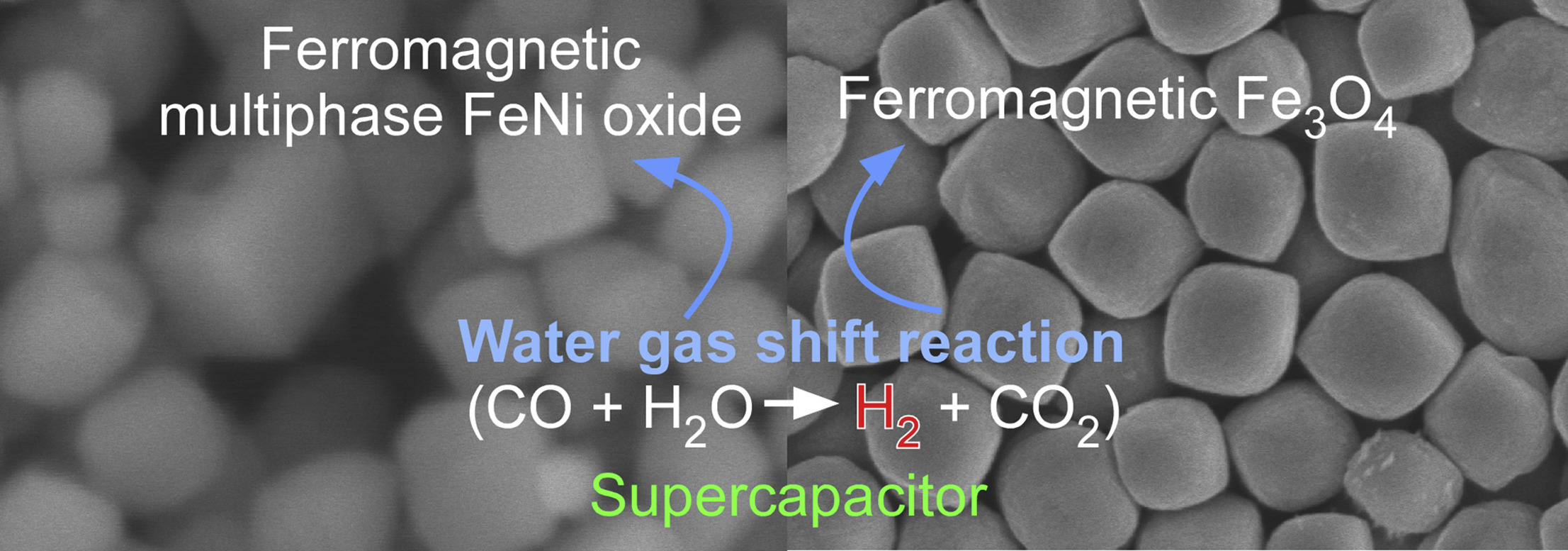
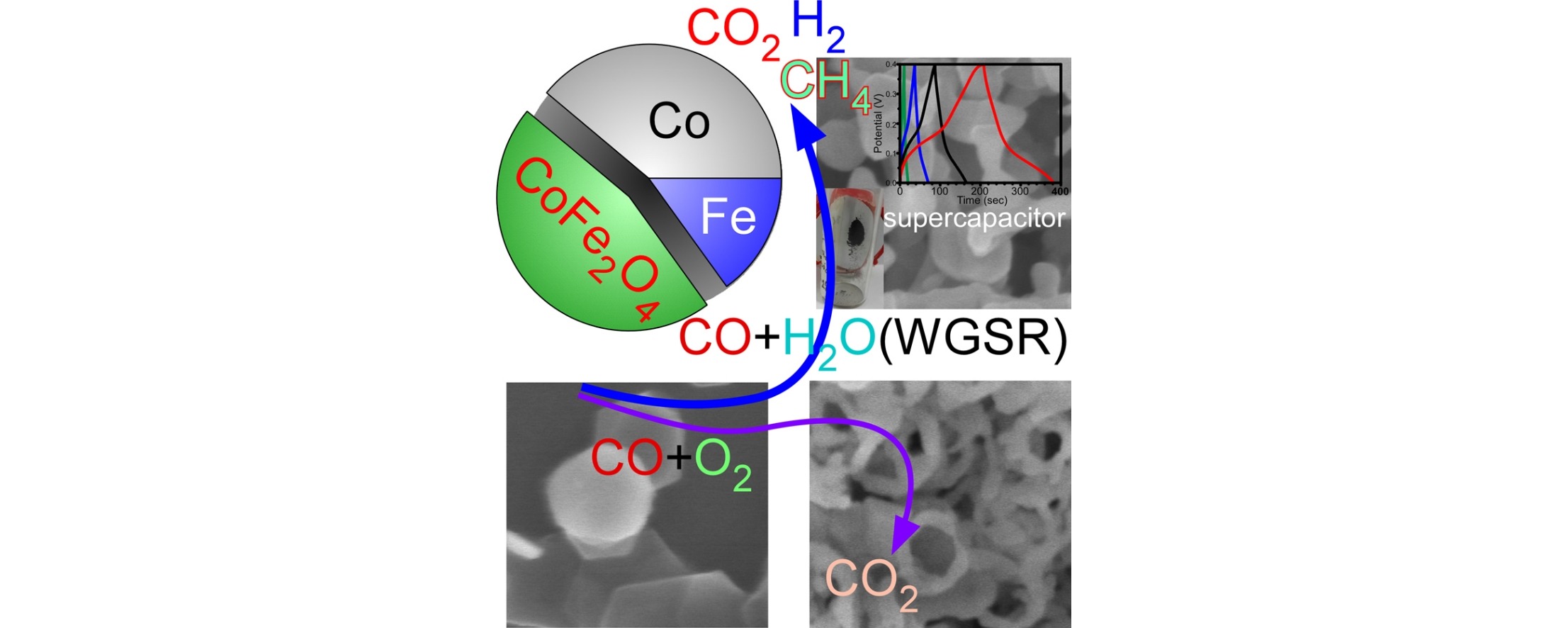
Unique multi-phase Co/Fe/CoFe 2 O 4 by water–gas shift reaction, CO oxidation and enhanced supercapacitor performances
Seungwon Lee; Jung-Soo Kang; Kam Tong Leung; Wondoo Lee; Dongyun Kim; Seungyoon Han; Wonjun Yoo; Hee Jung Yoon; Kyusuk Nam; Youngku Sohn
J. Ind. Eng. Chem. 2016, 43, 69-77. DOI ↗ 📊 인용 ↗
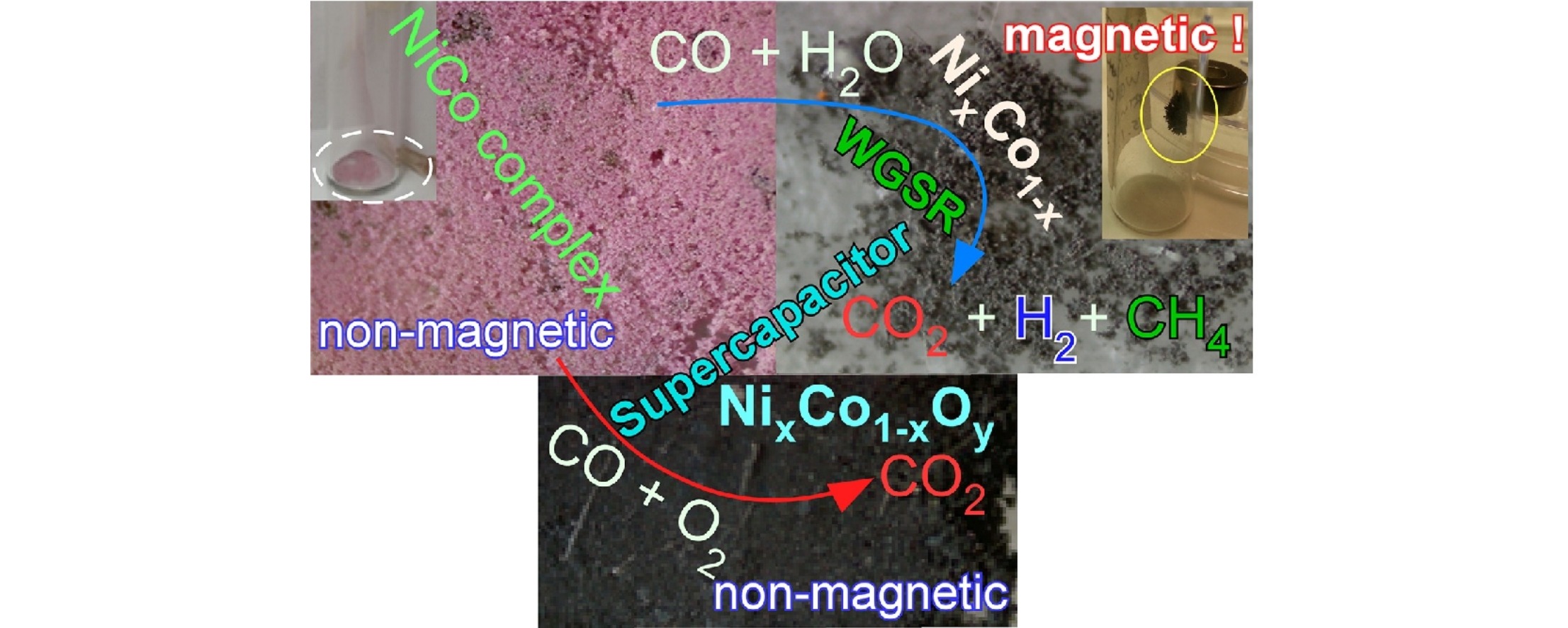
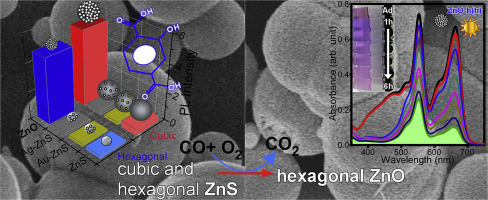
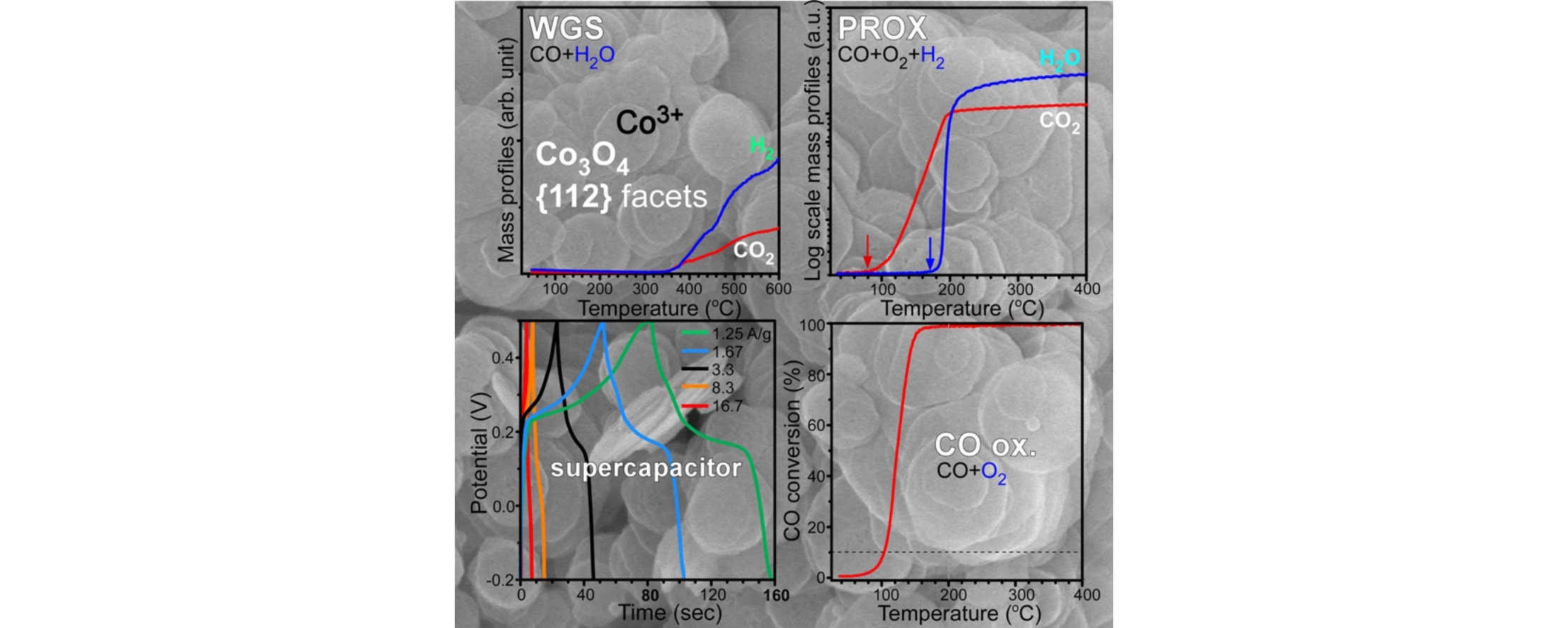
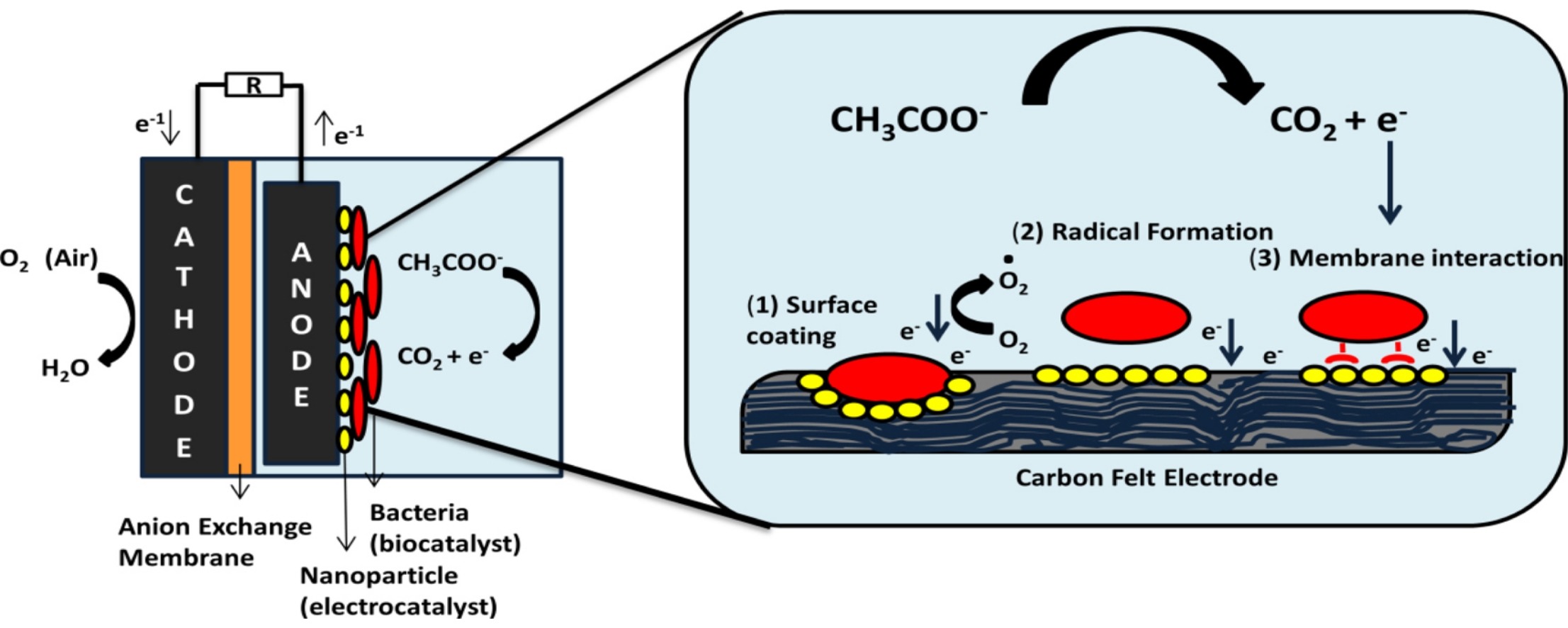
- 112
Luminescence and Magnetic Properties of Tb(III) Complexes with TETA and Synergistic Effect by 1,10‐Phenanthroline
Jung‐Soo Kang; Kam Tong Leung; Hyung‐Kook Cho; Jun‐Gill Kang; Youngku Sohn
Bull. Korean Chem. Soc. 2016, 37, 1458-1463. DOI ↗ 📊 인용 ↗
📄 초록 (English) ▾
Two Tb( III ) complexes, [Tb( TETA )] − and [Tb( TETA )(phen)] − ( TETA = 1,4,8,11‐tetraazacyclotetradecane‐1,4,8,11‐tetraacetate and phen = 1,10‐phenanthroline), were synthesized and their luminescence ( 5 D 4 → 7 F J =0–6 transitions) and magnetic properties were examined. The photoluminescence ( PL ) quantum yield of [Tb( TETA )(phen)] − ( Q = 0.47) was significantly higher than that of [Tb( TETA )] − ( Q = 0.006). The dramatic increase (78×) in green luminescence was attributed to intramolecular energy transfer from phen to Tb( III ). The energy transfer rate according to Dexter theory was found to be approximately 10 11 s −1 . The temperature dependence of the molar susceptibilities confirmed that the two complexes behave as paramagnets obeying the Curie–Weiss law. In addition, the field‐dependent magnetization of the two complexes measured in the −70 to + 70 kOe range at T = 1.8 K fitted well with the Brillouin function with the following values: g eff = 1.5, μ B = 9.27 × 10 −21 emu, and J = 6. These results provide new insights into the development of lanthanide metal complexes with tetraaza © 2016 Korean Chemical Society, Seoul Wiley‐VCH Verlag GmbH Co. KGaA, Weinheimmacrocyclic ligands.
- 107
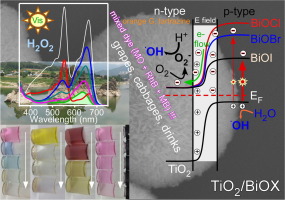
TiO2/BiOX (X=Cl, Br, I) hybrid microspheres for artificial waste water and real sample treatment under visible light irradiation
Young In Choi; Kyung Hee Jeon; Hye Sun Kim; Jun Hyok Lee; Seong Jun Park; Jang Eon Roh; Mohammad Mansoob Khan; Youngku Sohn
Sep. Purif. Technol. 2016, 160, 28-42. DOI ↗ 📊 인용 ↗
- 106
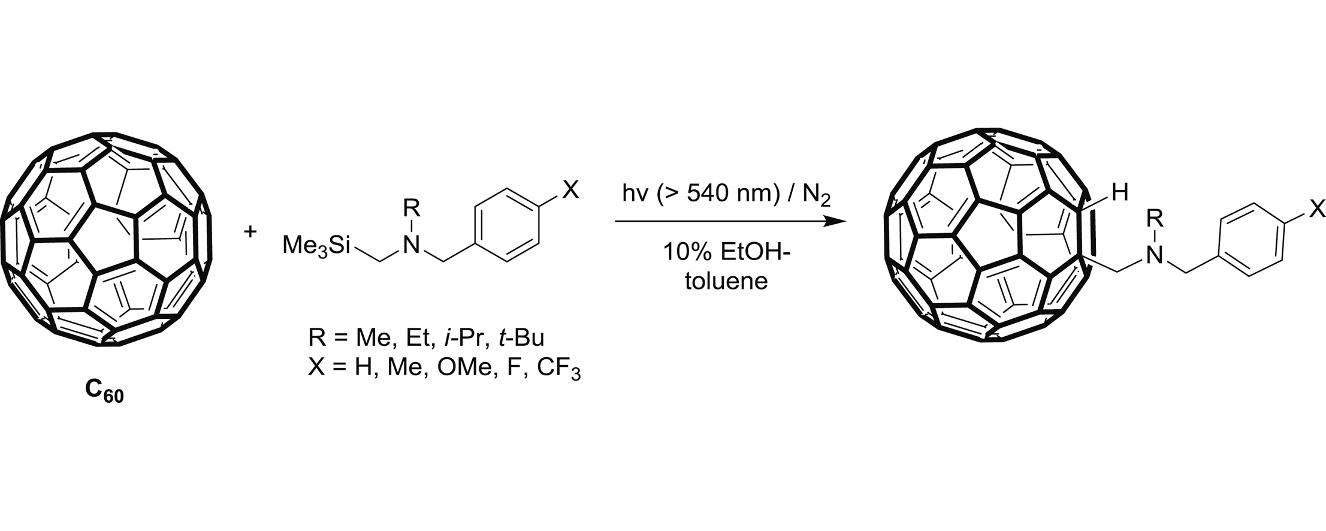
Single Electron Transfer-Promoted Photochemical Reactions of Secondary N-Trimethylsilylmethyl-N-benzylamines Leading to Aminomethylation of Fullerene C60
Suk Hyun Lim; Ho Cheol Jeong; Youngku Sohn; Young-Il Kim; Dae Won Cho; Hee-Jae Woo; Ik-Soo Shin; Ung Chan Yoon; Patrick S. Mariano
The Journal of Organic Chemistry 2016, 81, 2460-2473. DOI ↗ 📊 인용 ↗
📄 초록 (English) ▾
Photoreactions between C60 and secondary N-trimethylsilylmethyl-N-benzylamines were explored to evaluate the feasibility of a new method for secondary aminomethylation of electron acceptors. The results show that photoreactions of C60 with these secondary amines in 10% EtOH-toluene occur to form aminomethyl-1,2-dihydrofullerenes predominantly through a pathway involving single electron transfer (SET)-promoted formation of secondary aminium radicals followed by preferential loss of the α-trimethylsilyl group. The aminomethyl radicals formed in this manner then couple with C60 or C60(•-) to form radical or anion precursors of the aminomethyl-1,2-dihydrofullerenes. In contrast to thermal and photochemical strategies developed previously, the new SET photochemical approach using α-trimethylsilyl-substituted secondary amines is both mild and efficient, and as a result, it should be useful in broadening the library of substituted fullerenes. Moreover, the results should have an impact on the design of SET-promoted C-C bond forming reactions. Specifically, introduction of an α-trimethylsilyl group leads to a change in the chemoselectivity of SET-promoted reactions of secondary amines with acceptors that typically favor aminium radical N-H deprotonation, leading to N-C bond formation. Finally, symmetric and unsymmetric fulleropyrrolidines are also generated in yields that are highly dependent on the electronic properties of arene ring substituents in amines, irradiation time, and solvent.
- 105
Crystal structures and color properties of new complex perovskite oxynitrides AMg 0.2 Ta 0.8 O 2.6 N 0.4 (A = Sr, Ba)
Keon-Ho Moon; Jung-Mi Kim; Youngku Sohn; Dae Won Cho; Young-Il Kim; Maxim Avdeev
Dalton Trans. 2016, 45, 5614-5621. DOI ↗ 📊 인용 ↗
📄 초록 (English) ▾
New complex perovskite oxynitrides AMg0.2Ta0.8O2.6N0.4 (A = Sr, Ba) were synthesized by reacting A5Ta4O15 with MgCl2 in flowing NH3. The formation of AMg0.2Ta0.8O2.6N0.4 can be described as the cooperative insertion of Mg(2+) + 2N(3-) and the release of 2O(2-) from the layered oxide, A5Ta4O15. Rietveld refinement of the neutron and synchrotron X-ray diffraction patterns indicated that BaMg0.2Ta0.8O2.6N0.4 is simple cubic (Pm3[combining macron]m) and SrMg0.2Ta0.8O2.6N0.4 is body-centered tetragonal (I4/mcm), isostructural with BaM0.2Ta0.8O2.8N0.2 and SrM0.2Ta0.8O2.8N0.2 (M = Li, Na), respectively. The nitrogen in SrMg0.2Ta0.8O2.6N0.4 is partially ordered favoring the c-axial site over the ab-plane of the tetragonal cell, which is a different O/N order pattern from that of SrLi0.2Ta0.8O2.8N0.2 and SrNa0.2Ta0.8O2.8N0.2. The group of simple and complex perovskites, ATaO2N, ALi0.2Ta0.8O2.8N0.2, ANa0.2Ta0.8O2.8N0.2, and AMg0.2Ta0.8O2.6N0.4 (A = Sr, Ba) covers the band gap range, 1.9-2.4 eV, and the color ranges from yellow to dark brown.
- 104
Neighbour-sensitized near-infrared emission of new Nd( iii ) and Er( iii ) complexes with 1-(anthracene-2-yl)-4,4,4-trifluoro-1,3-butanedione
Jung-Soo Kang; Kam Tong Leung; Min-Kook Nah; Jung-Sik Shin; Myung-Hyun Kang; Bonggeun Shong; Jun-Gill Kang; Jisuk Lee; Youngku Sohn
New J. Chem. 2016, 40, 9702-9710. DOI ↗ 📊 인용 ↗
📄 초록 (English) ▾
Solvatochromic effects on the luminescence of the anthracene pendant and the sensitized NIR luminescence of Nd( iii ) and Er( iii ).
- 103
Liquid-Phase Ethanol Oxidation and Gas-Phase CO Oxidation Reactions over M Doped (M = Ag, Au, Pd, and Ni) and MM′ Codoped CeO2 Nanoparticles
Yohan Park; Yulri Na; Debabrata Pradhan; Youngku Sohn
Journal of Chemistry 2016, 2016, 1-11. DOI ↗ 📊 인용 ↗
📄 초록 (English) ▾
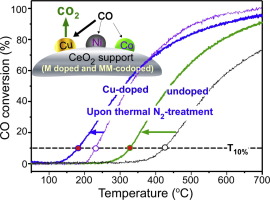
Transition metal doped metal oxides have been studied extensively for potential applications to environments and chemical industry. Herein, M doped (M = Ag, Au, Pd, and Ni) and MM′ codoped CeO 2 nanoparticles (NPs) were prepared by a hydrothermal method and their liquid-phase ethanol and gas-phase CO oxidation performances were examined by UV-visible absorption spectroscopy and temperature programmed mass spectrometry, respectively. The ethanol and CO oxidation performances were enhanced greatly by metal-doping and were dependent on the relative concentration of codoped metals. For ethanol oxidation, the concentration of acetaldehyde became saturated at low levels, while that of ethyl acetate continuously increased to become a final major product. For M doped CeO 2 NPs, the ethanol oxidation performance showed an order of Ni Ag Pd ≪ Au. For MM′ codoped CeO 2 NPs, the activity of Au doped CeO 2 deteriorated drastically upon adding other metals (Ag, Ni, and Pd) as a cocatalyst.
2015
- 101
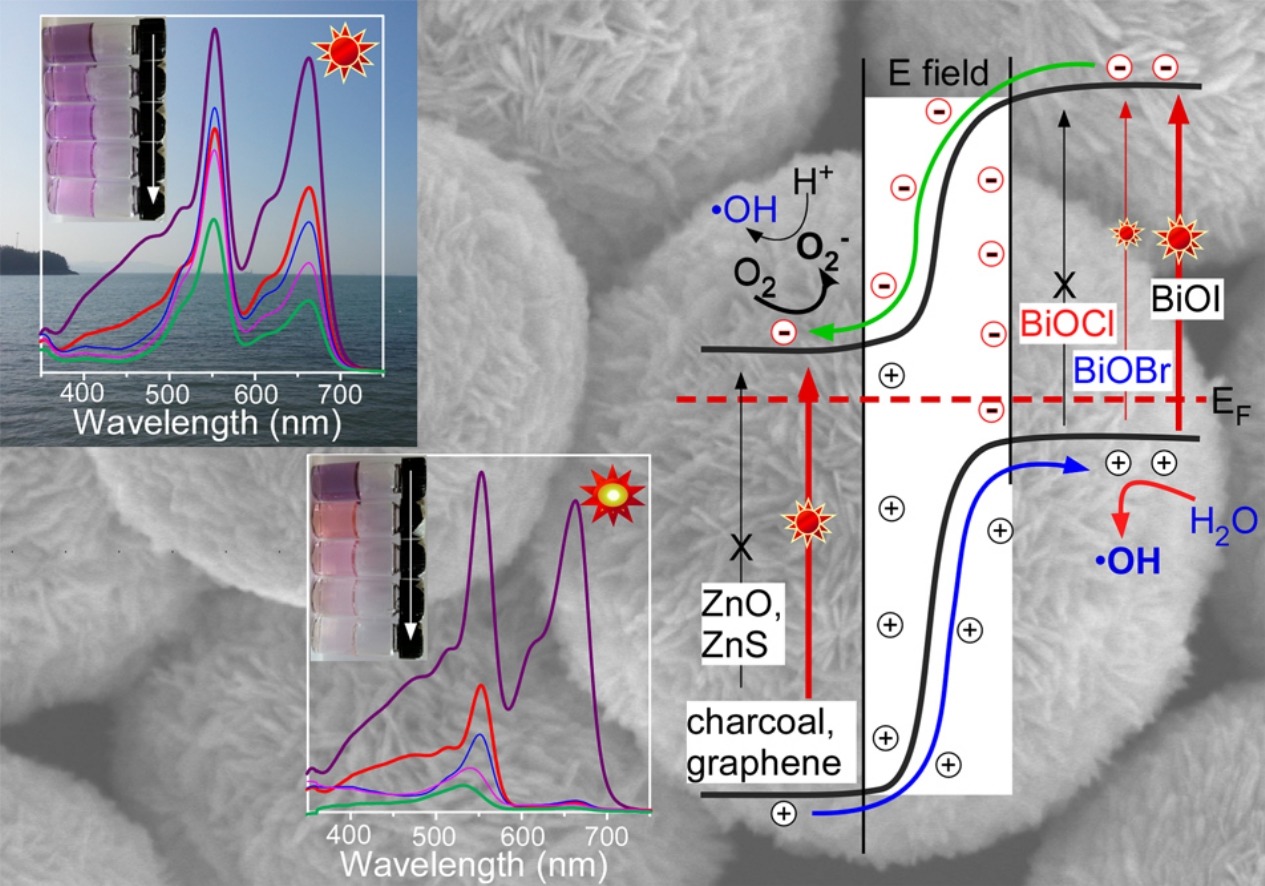
Understanding hydrothermal transformation from Mn2O3 particles to Na0.55Mn2O4·1.5H2O nanosheets, nanobelts and single crystalline ultra-long Na4Mn9O18 nanowires
Yohan Park; Sung Woo Lee; Ki Hyeon Kim; Bong-Ki Min; Arpan Kumar Nayak; Debabrata Pradhan; Youngku Sohn
Sci. Rep. 2015, 5, 18275. DOI ↗ 📊 인용 ↗
📄 초록 (English) ▾
Manganese oxides are one of the most valuable materials for batteries, fuel cells and catalysis. Herein, we report the change in morphology and phase of as-synthesized Mn2O3 by inserting Na(+) ions. In particular, Mn2O3 nanoparticles were first transformed to 2 nm thin Na0.55Mn2O4·1.5H2O nanosheets and nanobelts via hydrothermal exfoliation and Na cation intercalation, and finally to sub-mm ultra-long single crystalline Na4Mn9O18 nanowires. This paper reports the morphology and phase-dependent magnetic and catalytic (CO oxidation) properties of the as-synthesized nanostructured Na intercalated Mn-based materials.
- 99
Effect of Etching on Electron–Hole Recombination in Sr-Doped NaTaO3 Photocatalysts
Longjie An; Yohan Park; Youngku Sohn; Hiroshi Onishi
J. Phys. Chem. C 2015, 119, 28440-28447. DOI ↗ 📊 인용 ↗
📄 초록 (English) ▾
High Resolution Image Download MS PowerPoint Slide Sodium tantalate (NaTaO 3 ) photocatalysts doped with Sr 2+ produce core–shell-structured NaTaO 3 –SrSr 1/3 Ta 2/3 O 3 solid solutions able to split water efficiently, when prepared via the solid-state method. In this study, the photocatalysts were chemically etched to examine the different roles of the core and shell with respect to the recombination of electrons and holes. Under excitation by Hg–Xe lamp irradiation, the steady-state population of electrons in the core–shell-structured photocatalyst with a bulk Sr concentration of 5 mol % increased by 130 times relative to that of the undoped photocatalyst. During etching for the first 10 min, the shell detached from the top of the core, and the electron population in the uncovered core further increased by 40%. This population enhancement indicates that electrons are excited in the core and recombined in the shell. Etching up to 480 min resulted in the reduction of the electron population. To interpret the population reduction in this stage of etching, a Sr concentration gradient that controls the electron population in the core is proposed.
- 97
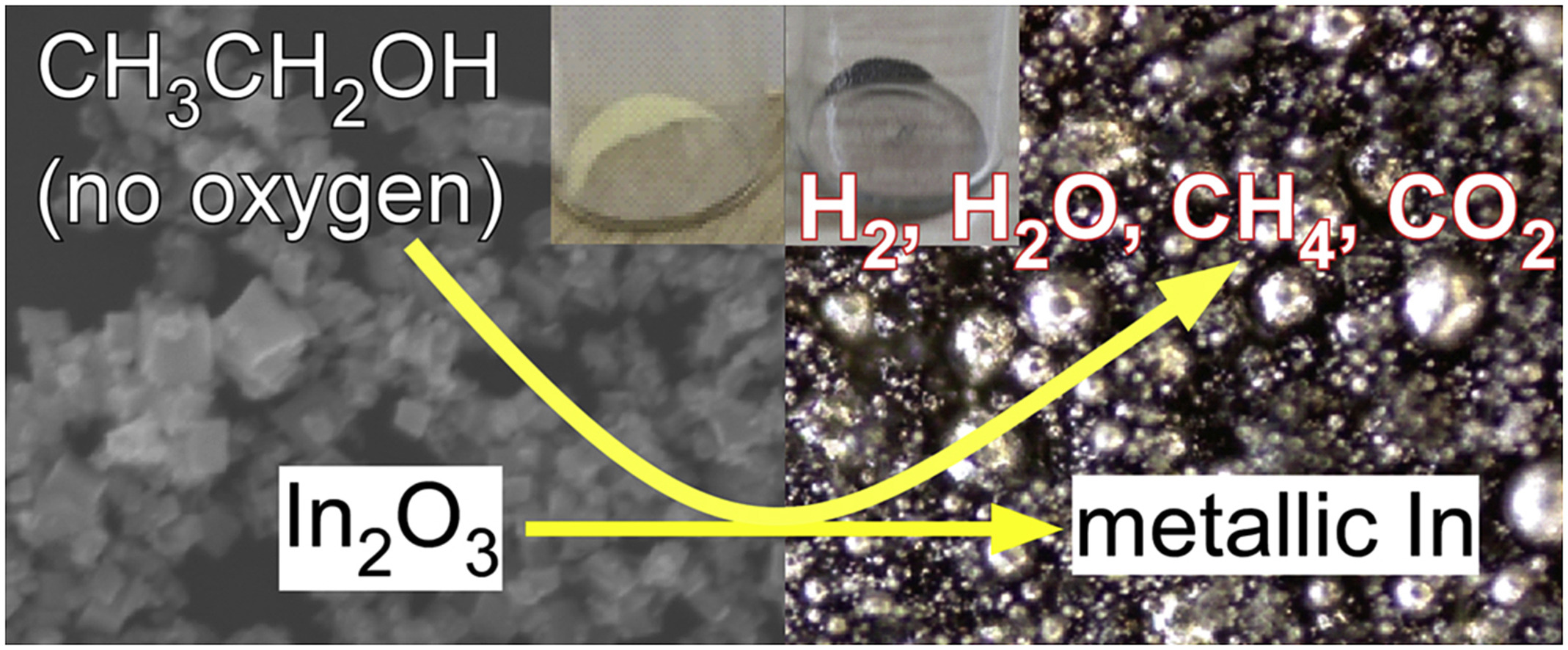
Biomolecule-assisted synthesis of In(OH)3nanocubes and In2O3nanoparticles: photocatalytic degradation of organic contaminants and CO oxidation
Arpan Kumar Nayak; Seungwon Lee; Youngku Sohn; Debabrata Pradhan
Nanotechnology 2015, 26, 485601. DOI ↗ 📊 인용 ↗
📄 초록 (English) ▾
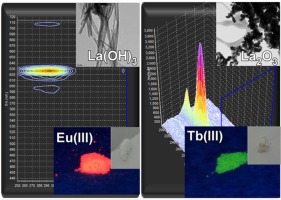
The synthesis of nanostructured materials without any hazardous organic chemicals and expensive capping reagents is one of the challenges in nanotechnology. Here we report on the L-arginine (a biomolecule)-assisted synthesis of single crystalline cubic In(OH)3 nanocubes of a size in the range of 30-60 nm along the diagonal using hydrothermal methods. Upon calcining at 750 °C for 1 h in air, In(OH)3 nanocubes are transformed into In2O3 nanoparticles (NPs) with voids. The morphology transformation and formation of voids with the increase of the calcination temperature is studied in detail. The possible mechanism of the voids' formation is discussed on the basis of the Kirkendall effect. The photocatalytic properties of In(OH)3 nanocubes and In2O3 NPs are studied for the degradation of rhodamin B and alizarin red S. Furthermore, the CO oxidation activity of In(OH)3 nanocubes and In2O3 NPs is examined. The photocatalytic and CO oxidation activity are measured to be higher for In2O3 NPs than for In(OH)3 nanocubes. This is attributed to the lower energy gap and higher specific surface area of the former. The present green synthesis has potential for the synthesis of other inorganic nanomaterials.
- 95
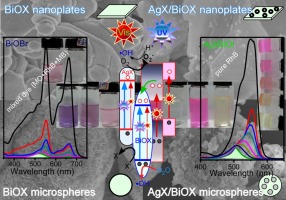
Hierarchical BiOBr, AgBr/BiOBr and BiOBr<I><SUB>x</SUB></I>I<I><SUB>1-x</SUB></I> Nano-Assembled Microspheres for Photocatalytic Methyl Orange Treatment
Seungwon Lee; Insu Cho; Youngku Sohn
J. Nanosci. Nanotechnol. 2015, 15, 8362-8369. DOI ↗ 📊 인용 ↗
📄 초록 (English) ▾
We prepared hierarchical BiOBr, AgBr/BiOBr and BiOBr(x)I(1-x) (x = 0.3, 0.5 and 0.7) microspheres in ethylene glycol by a solvothermal method, then analyzed them by scanning electron microscopy, X-ray diffraction crystallography, Raman, UV-Visible absorption, BET surface area measurement and photoluminescence spectroscopy. In addition, their photocatalytic activities for methyl orange were tested under irradiation by visible light. The BET surface area, adsorption and photocatalytic activity occurred in the order AgBr/BiOBr < BiOBr << BiOBr(x)I(1-x) (x = 0.3, 0.5 and 0.7). The flower-like BiOBr microspheres exhibited a band gap of 2.76 eV, which decreased with increasing I/Br ratio. The *O2- and h+ were found to be major active species for MO degradation. For BiOBr and AgBr/BiOBr microspheres, *OH radical formation was clearly observed, while the role of *OH radical was found to be negligible for BiOBr(x)I(1-x) (x = 0.3, 0.5 and 0.7) microspheres.
- 94
Photoluminescence profiles and fast/slow annealing effects of Eu(III)/Tb(III)‐codoped silica phosphor materials
Hee Jung Yoon; Young In Choi; Jun‐Gill Kang; Youngku Sohn
Luminescence 2015, 31, 821-829. DOI ↗ 📊 인용 ↗
📄 초록 (English) ▾
A silica (SiO2) nanoparticle matrix was codoped with luminescent Eu(III) and Tb(III) ions using a modified Stöber method. The effects of fast and slow thermal annealing on photoluminescence profile imaging were examined. Slow annealing treatment suppressed more quenching sites than fast thermal annealing to further increase the photoluminescence signals. The photoluminescence signals observed between 450 and 720 nm were assigned to the (5)D(0) → (7)F(J) (J = 0,1,2,3,4) of Eu(III) and the (5)D(4) → (7)F(J) (J = 6,5,4,3) transitions of Tb(III). Photoluminescence was largely sensitized by indirect excitation and was much stronger than that generated by direct excitation. The Eu(III) and Tb(III) ions were doped at lower symmetry sites in the silica matrix.
- 93
Metallic Sn spheres and SnO2@C core-shells by anaerobic and aerobic catalytic ethanol and CO oxidation reactions over SnO2 nanoparticles
Won Joo Kim; Sung Woo Lee; Youngku Sohn
Sci. Rep. 2015, 5, 13448. DOI ↗ 📊 인용 ↗
📄 초록 (English) ▾
SnO2 has been studied intensely for applications to sensors, Li-ion batteries and solar cells. Despite this, comparatively little attention has been paid to the changes in morphology and crystal phase that occur on the metal oxide surface during chemical reactions. This paper reports anaerobic and aerobic ethanol and CO oxidation reactions over SnO2 nanoparticles (NPs), as well as the subsequent changes in the nature of the NPs. Uniform SnO2@C core-shells (10 nm) were formed by an aerobic ethanol oxidation reaction over SnO2 NPs. On the other hand, metallic Sn spheres were produced by an anaerobic ethanol oxidation reaction at 450 °C, which is significantly lower than that (1200 °C) used in industrial Sn production. Anaerobic and aerobic CO oxidation reactions were also examined. The novelty of the methods for the production of metallic Sn and SnO2@C core-shells including other anaerobic and aerobic reactions will contribute significantly to Sn and SnO2-based applications.
- 92
Photochemical and enzymatic SET promoted C–C bond cleavage reactions of lignin β-1 model compounds containing varying number of methoxy substituents on their arene rings
Suk Hyun Lim; Woo Sol Lee; Young-Il Kim; Youngku Sohn; Dae Won Cho; Cheolhee Kim; Eunae Kim; John A. Latham; Debra Dunaway-Mariano; Patrick S. Mariano
Tetrahedron 2015, 71, 4236-4247. DOI ↗ 📊 인용 ↗
- 90
Controlled synthesis and facets-dependent photocatalysis of TiO2 nanocrystals
Nitish Roy; Yohan Park; Youngku Sohn; Debabrata Pradhan
Semiconductor Science and Technology 2015, 30, 044005. DOI ↗ 📊 인용 ↗
📄 초록 (English) ▾
Titanium dioxide (TiO 2 ) is a wide band gap semiconductor that has been extensively used in several environmental applications including degradation of organic hazardous chemicals, water splitting to generate hydrogen, dye sensitized solar cells, self cleaning agents, and pigments. Herein we demonstrate the synthesis of TiO 2 nanocrystals (NCs) with the shapes of ellipsoids, rods, cuboids, and sheets with different exposed facets using a noncorrosive and nontoxic chemical (i.e. diethanolamine) as the shape controlling agent, unlike hydrofluoric acid commonly used. The TiO 2 NCs of diverse shapes with different exposed facets were tested for photocatalytic hydroxyl radical (OH • ) formation, which determines their photocatalytic behavior and the results were compared with the standard P-25 Degussa. The formation rate of OH • per specific surface area was found to be >6 fold higher for rod-shaped TiO 2 NCs than that of commercial Degussa P25 catalyst. The highest photocatalytic activity of rod-shaped TiO 2 NCs is ascribed to the unique chemical environment of {010} exposed facets which facilitates the electron/hole separation in presence of {101} facets.
- 84
Ultrasonication assisted production of silver nanowires with low aspect ratio and their optical properties
Miso Park; Youngku Sohn; Weon Gyu Shin; Jinhwan Lee; Seung Hwan Ko
Ultrasonics Sonochemistry 2015, 22, 35-40. DOI ↗ 📊 인용 ↗
📄 초록 (English) ▾
We investigated a facial method to produce silver nanowires with low aspect ratio by fragmentizing as produced long silver nanowires. The length of silver nanowires can be shortened in a controllable manner by increasing ultrasonication time or ultrasonication power. However, excessively large ultrasonication power caused a problem of agglomeration of nanowires. From UV absorption spectra, it was found that the UV absorption characteristic of silver nanowires is not affected by ultrasonication assisted fragmentation indicating that one dimensional structure of silver nanowires is maintained during the fragmentation process.
- 83
Observation of Mediated Cascade Energy Transfer in Europium-Doped ZnO Nanowalls by 1,10-Phenanthroline
Jung-Soo Kang; Yong-Kwang Jeong; Jun-Gill Kang; Liyan Zhao; Youngku Sohn; Debabrata Pradhan; K. T. Leung
J. Phys. Chem. C 2015, 119, 2142-2147. DOI ↗ 📊 인용 ↗
📄 초록 (English) ▾
Embedding rare earth ions into a host material such as alkali halides, semiconductors, and metal oxides has been extensively studied, with the goal to improve performance in light emitting devices and biomedicine. Here, Europium-embedded ZnO nanowall structures have been achieved by a facile electrochemical deposition method. Upon Eu embedment, the nanowalls were found to become thicker and stacked. X-ray photoemission study revealed that Zn(OH) 2 was more dominant than ZnO near the surface and it confirmed that Eu(III) was uniformly distributed in the ZnO–Zn(OH) 2 core–shell structure. We also measured the photoluminescence spectra of as-grown, heat-treated and 1,10-phenanthroline surface-functionalized ZnO nanowalls samples, which led us to propose a unique cascade energy transfer model between ZnO, 1,10-phenanthroline, and Eu 3+ ion.
- 81
Recyclable magnetic CoFe 2 O 4 /BiOX (X = Cl, Br and I) microflowers for photocatalytic treatment of water contaminated with methyl orange, rhodamine B, methylene blue, and a mixed dye
Young In Choi; Young-Il Kim; Dae Won Cho; Jung-Soo Kang; K. T. Leung; Youngku Sohn
RSC Adv. 2015, 5, 79624-79634. DOI ↗ 📊 인용 ↗
📄 초록 (English) ▾
Magnetic CoFe 2 O 4 /BiOX (X = Cl, Br and I) microflowers were tested for methyl orange, rhodamine B, methylene blue, and a mixed dyes.
- 80
Crystal phase transformation and doping-induced blue emission of Eu-doped InOOH and cubic/corundum-type rhombohedral In 2 O 3 nanowires
Won Joo Kim; Bong-Ki Min; Debabrata Pradhan; Youngku Sohn
CrystEngComm 2015, 17, 1189-1200. DOI ↗ 📊 인용 ↗
📄 초록 (English) ▾
Blue emission from orthorhombic InOOH nanowires was increased dramatically by 30-fold after doping with 1 mol% Eu. This was attributed to the reduction of Eu(III) to Eu(II), which was localized on the surface and created defects. On the other hand, a larger amount of Eu-doping did not result in strong blue emission. Corundum-type rhombohedral and cubic In2O3 were obtained by post-thermal annealing of the nanowires at 400 and 700 °C, respectively. Interestingly, rhombohedral In2O3 remained stable after doping with 10 mol% Eu even upon high temperature thermal annealing at 700 °C. The morphology was changed significantly for the undoped and 1 mol% doped samples, whereas the 10 mol% doped sample showed resistance to morphological changes upon annealing at 700 °C.
- 79
Nanoscale architecture of bimetallic hybrid Fe–Au nanostructures with and without 1,4-phenylene diisocyanide pre-functionalization
Youngku Sohn; Debabrata Pradhan; Jung-Soo Kang; K. T. Leung
RSC Adv. 2015, 5, 31472-31478. DOI ↗ 📊 인용 ↗
📄 초록 (English) ▾
The nanoscale architecture of a hybrid material has been very important in deriving a new interesting synergic property.
2014
- 78
Engineered Electronic States of Transition Metal Doped TiO2 Nanocrystals for Low Overpotential Oxygen Evolution Reaction
Nitish Roy; Youngku Sohn; Kam Tong Leung; Debabrata Pradhan
J. Phys. Chem. C 2014, 118, 29499-29506. DOI ↗ 📊 인용 ↗
📄 초록 (English) ▾
Electrochemical oxygen evolution reaction (OER) involves high overpotential at the oxygen evolving electrode and thereby suffers significant energy loss in the proton exchange membrane water electrolyzer. To reduce the OER overpotential, precious ruthenium and iridium oxides are most commonly used as anode electrocatalyst. Here we report marked reduction in overpotential for the OER using transition metal (TM) doped TiO 2 nanocrystals (NCs). This reduction in overpotential is attributed to d-orbitals splitting of the doped TMs in the TM-doped TiO 2 NCs and their interactions with the oxyradicals (intermediates of OER) facilitating the OER. The d-orbital spitting of TMs in TM-doped TiO 2 NCs is evident from the change in original pearl white color of undoped TiO 2 NCs and UV–vis absorption spectra.
- 73
Doping-Concentration and Annealing Effects on Photoluminescence Profile of Eu(III)-doped CeO2nanorods
Juheon Lee; Yohan Park; Sang Woo Joo; Youngku Sohn
Bull. Korean Chem. Soc. 2014, 35, 3319-3325. DOI ↗ 📊 인용 ↗
📄 초록 (English) ▾
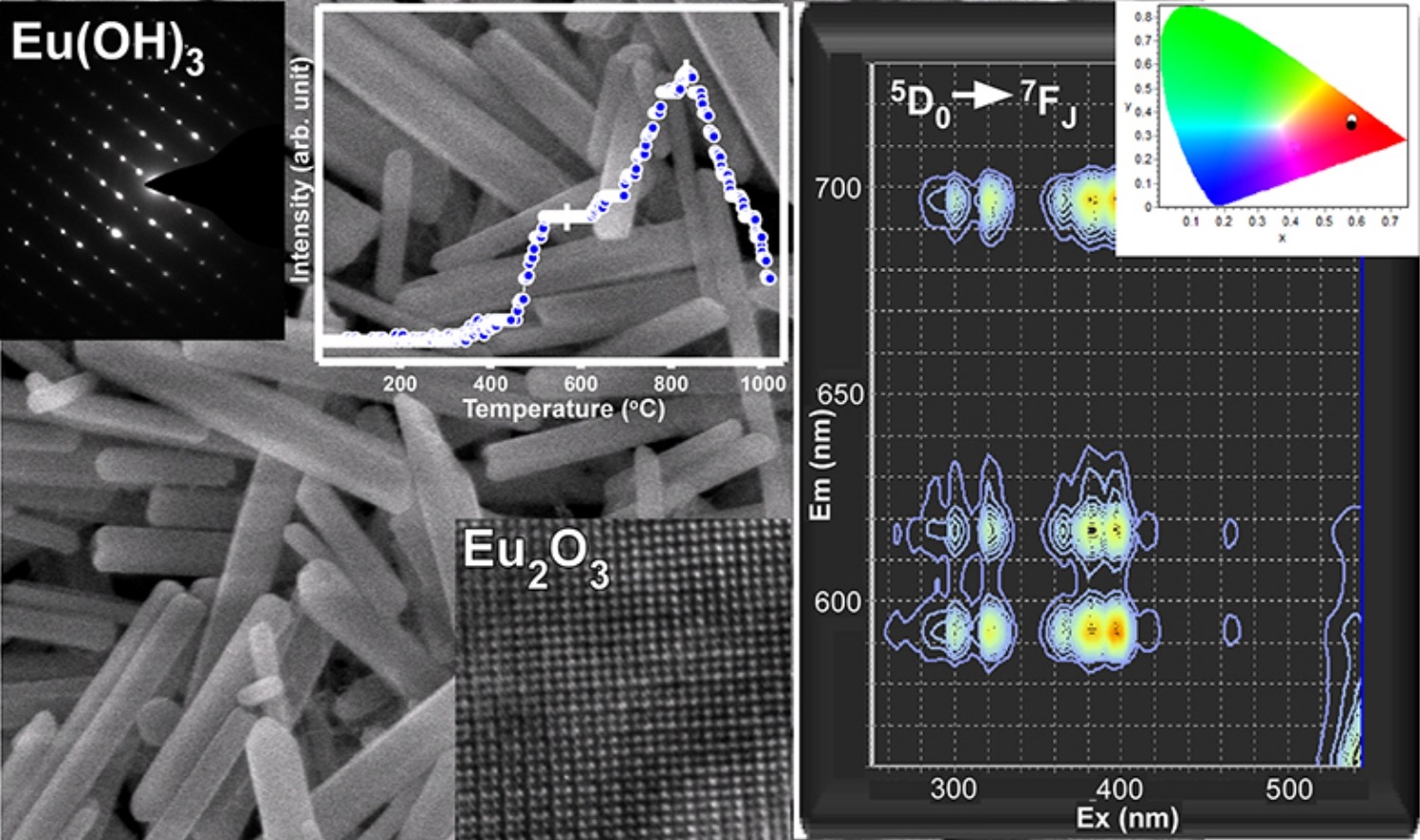
Eu(III)-doped $CeO_2$ nanorods were prepared by a co-precipitation method at room temperature, and their photoluminescence profiles were examined with different Eu(III)-doping concentrations and thermal annealing temperatures. Scanning electron microscopy, X-ray diffraction crystallography and UV-Vis absorption spectroscopy were employed to examine the morphology, crystal structure and photon absorption profiles of the nanorods, respectively. Additionally, their 2D and 3D-photoluminescence profile maps were obtained to fully understand the photoluminescence mechanism. We found that the magnetic dipole $^5D_0{\rightarrow}^7F_1$ and the electric dipole $^5D_0{\rightarrow}^7F_2$ transitions of Eu(III) were highly dependent on the doping concentration, annealing temperature and excitation wavelength, which was explained by the presence of different Eu(III)-doping sites (with and without an inversion center) in the $CeO_2$ host with a cubic crystal structure.
- 71
Green Synthesis of Anatase TiO2 Nanocrystals with Diverse Shapes and their Exposed Facets-Dependent Photoredox Activity
Nitish Roy; Yohan Park; Youngku Sohn; Kam Tong Leung; Debabrata Pradhan
ACS Applied Materials & Interfaces 2014, 6, 16498-16507. DOI ↗ 📊 인용 ↗
📄 초록 (English) ▾
The exposed facets of a crystal are known to be one of the key factors to its physical, chemical and electronic properties. Herein, we demonstrate the role of amines on the controlled synthesis of TiO2 nanocrystals (NCs) with diverse shapes and different exposed facets. The chemical, physical and electronic properties of the as-synthesized TiO2 NCs were evaluated and their photoredox activity was tested. It was found that the intrinsic photoredox activity of TiO2 NCs can be enhanced by controlling the chemical environment of the surface, i.e.; through morphology evolution. In particular, the rod shape TiO2 NCs with ∼25% of {101} and ∼75% of {100}/{010} exposed facets show 3.7 and 3.1 times higher photocatalytic activity than that of commercial Degussa P25 TiO2 toward the degradation of methyl orange and methylene blue, respectively. The higher activity of the rod shape TiO2 NCs is ascribed to the facetsphilic nature of the photogenerated carriers within the NCs. The photocatalytic activity of TiO2 NCs are found to be in the order of {101}+{100}/{010} (nanorods) > {101}+{001}+{100}/{010} (nanocuboids and nanocapsules) > {101} (nanoellipsoids) > {001} (nanosheets) providing the direct evidence of exposed facets-depended photocatalytic activity.
- 68
Characteristics of Ion Beam Assisted ITO Thin Films Deposited by RF Magnetron Sputtering
Kyong Chan Heo; Phil Kook Son; Youngku Sohn; Jonghoon Yi; Jin Hyuk Kwon; Jin Seog Gwag
Molecular Crystals and Liquid Crystals 2014, 601, 57-63. DOI ↗ 📊 인용 ↗
📄 초록 (English) ▾
Indium tin oxide (ITO) thin films have been deposited onto glass substrates at low temperature (100 °C) by the ion beam assisted RF magnetron sputter technique at different ion beam energy. The structural, surface morphology and electrical characteristics of the ITO thin films were investigated as a function of ion beam assisted energy. With increasing ion beam assisted energy from 0 eV to 100 eV, electrical resistivity of the ITO films reduced from 1.13 × 10⁻³ Ω·cm to 5.5 × 10⁻⁴ Ω·cm. Hall mobility and carrier concentration slightly increased, which attribute to slightly the crystal growth and harden ITO film. The preferential crystalline orientation of the sputtered films is observed gradually a change from the (222) to the (400) crystalline orientation with increasing ion beam assisted energy.
- 65
Synthesis of In 2 S 3 microspheres using a template-free and surfactant-less hydrothermal process and their visible light photocatalysis
Arpan Kumar Nayak; Seungwon Lee; Youngku Sohn; Debabrata Pradhan
CrystEngComm 2014, 16, 8064. DOI ↗ 📊 인용 ↗
📄 초록 (English) ▾
Indium sulfide (In2S3) microspheres of (β-) tetragonal phase were synthesized by varying the indium precursors using a template-free and surfactant-less hydrothermal process at 150 °C. The as-synthesized samples were found to be crystalline and phase pure as confirmed by X-ray diffraction and X-ray photoelectron spectroscopy studies, respectively. Indium precursors play an important role in controlling the shape of the building blocks, i.e. nanoflakes or nanobricks, of In2S3 microspheres. The photocatalytic activity of as-synthesized In2S3 microspheres was tested for the degradation of methylene blue and crystal violet in the presence of visible light produced by an incandescent lamp. The terephthalic acid test using photoluminescence spectroscopy shows hydroxyl radicals as active species for the degradation of organic contaminants. Repeat photocatalysis measurements suggest the high stability of In2S3 microspheres without a change in their morphology and phase.
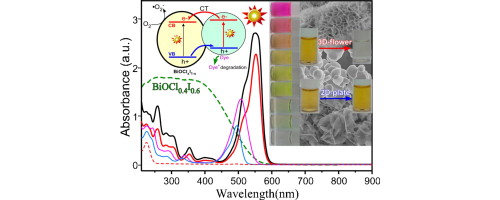
- 59
Photoluminescence Imaging of SiO2@ Y2O3:Eu(III) and SiO2@ Y2O3:Tb(III) Core-Shell Nanostructures
Insu Cho; Jun-Gill Kang; Youngku Sohn
Bull. Korean Chem. Soc. 2014, 35, 575-580. DOI ↗ 📊 인용 ↗
📄 초록 (English) ▾
We uniformly coated Eu(III)- and Tb(III)-doped yttrium oxide onto the surface of $SiO_2$ spheres and then characterized them by scanning electron microscopy (SEM), transmission electron microscopy (TEM), X-ray diffraction crystallography and UV-Visible absorption. 2D and 3D photoluminescence image map profiles were reported for the core-shell type structure. Red emission peaks of Eu(III) were observed between 580 to 730 nm and assigned to $^5D_0{\rightarrow}^7F_J$ (J = 0 - 4) transitions. The green emission peaks of Tb(III) between 450 and 650 nm were attributed to the $^5D_4{\rightarrow}^7F_J$ (J = 6, 5, 4, 3) transitions. For annealed samples, Eu(III) ions were embedded at a $C_2$ symmetry site in $Y_2O_3$ , which was accompanied by an increase in luminescence intensity and redness, while Tb(III) was changed to Tb(IV), which resulted in no green emission.
- 56
Adsorption and UV/Visible photocatalytic performance of BiOI for methyl orange, Rhodamine B and methylene blue: Ag and Ti-loading effects
Yohan Park; Yulyi Na; Debabrata Pradhan; Bong-Ki Min; Youngku Sohn
CrystEngComm 2014, 16, 3155-3167. DOI ↗ 📊 인용 ↗
📄 초록 (English) ▾
Adsorption and UV/visible photocatalytic activity of echinoid-like Ag and Ti-loaded BiOI were tested for methyl orange, Rhodamine B and methylene blue.
- 55
Room temperature light-induced recrystallization of Cu 2 O cubes to CuO nanostructures in water
Yulyi Na; Sung Woo Lee; Nitish Roy; Debabrata Pradhan; Youngku Sohn
CrystEngComm 2014, 16, 8546-8554. DOI ↗ 📊 인용 ↗
📄 초록 (English) ▾
Visible light irradiation induces recrystallization of Cu 2 O cubes to [010] growth-directed CuO nanoribbons in water due to the creation of active ˙OH and ˙O 2 − species and outward Cu diffusion along unstable {010} facets.
- 54
Photoluminescence profile mapping of Eu( iii ) and Tb(III → IV)-embedded in quantum size SnO 2 nanoparticles
Young In Choi; Youngku Sohn
RSC Adv. 2014, 4, 31155-31161. DOI ↗ 📊 인용 ↗
📄 초록 (English) ▾
Eu( iii ) and Tb( iv ) activators were embedded in quantum size SnO 2 nanoparticles by a hydrothermal method and their morphologies, crystal structures and spectroscopic properties were examined by transmission electron microscopy, X-ray diffraction crystallography, UV-visible absorption, and 2D/3D-photoluminescence mapping.
- 53
Correction: Photoluminescence profile mapping of Eu( iii ) and Tb( iii → iv )-embedded in quantum size SnO 2 nanoparticles
Young In Choi; Youngku Sohn
RSC Adv. 2014, 4, 41292-41292. DOI ↗ 📊 인용 ↗
📄 초록 (English) ▾
Correction for ‘Photoluminescence profile mapping of Eu(III) and Tb(III → IV)-embedded in quantum size SnO2 nanoparticles’ by Young In Choi et al., RSC Adv., 2014, 4, 31155–31161.
2013
- 51
Structural/Optical Properties and CO Oxidation Activities of SnO 2 Nanostructures
Youngku Sohn
J. Am. Ceram. Soc. 2013, 97, 1303-1310. DOI ↗ 📊 인용 ↗
📄 초록 (English) ▾
Tetragonal SnO 2 nanostructures with different sizes, band gaps, and defects were synthesized by varying the amounts of ammonia and polyethylene glycol ( PEG ) used during production and their structural and optical properties were characterized by scanning electron microscopy ( SEM ), X‐ray diffraction ( XRD ) crystallography, BET surface area analysis, thermogravimetric analysis, Raman spectroscopy, UV –visible absorption spectroscopy, photoluminescence imaging, and X‐ray photoelectron spectroscopy. In addition, the CO oxidation activity was examined by temperature‐programmed reduction and temperature‐programmed CO oxidation measurements. SEM and XRD analysis revealed that the particle size decreased with increasing PEG , but increased with increasing ammonia. Additionally, the band gaps decreased with increasing ammonia, but not with increasing PEG . Tetragonal SnO formed when larger amounts of ammonia were used, and this was converted to SnO 2 upon annealing at temperatures up to 700°C. The SnO 2 showed a unique strong green emission at 560 nm, which was attributed to a new oxygen deficiency. In addition, a sharp (328 nm) and two broad (390 and 460 nm) photoluminescence peaks corresponding to gap emission and the oxygen vacancies, respectively, were observed. The difference in CO oxidation activity with SnO 2 was attributed to varying sizes and defects formed in response to preparation under different reaction conditions.
- 50
CO Oxidation Activities of Ni and Pd-TiO2@SiO2Core-Shell Nanostructures
Yeji Do; Insu Cho; Yohan Park; Debabrata Pradhan; Youngku Sohn
Bull. Korean Chem. Soc. 2013, 34, 3635-3640. DOI ↗ 📊 인용 ↗
📄 초록 (English) ▾
We prepared Ni and Pd-modified $TiO_2@SiO_2$ core-shell nanostructures and then analyzed them by scanning electron microscopy, optical microscopy, X-ray diffraction crystallography, FT-IR and UV-Visible absorption spectroscopy. In addition, their CO oxidation performance was tested by temperature-programmed mass spectrometry. The CO oxidation activity showed an order of Ni- $TiO_2@SiO_2$ ( $900^{\circ}C$ ) $TiO_2@SiO_2$ ( $90^{\circ}C$ ) $TiO_2@SiO_2$ ( $450^{\circ}C$ ) in the first CO oxidation run, and greatly improved activity in the same order in the second run. The $T_{10%}$ (the temperature at 10% CO conversion) corresponds to the CO oxidation rate of $2.8{\times}10^{-5}$ molCO $g{_{cat}}^{-1}s^{-1}$ . For Ni- $TiO_2@SiO_2$ ( $450^{\circ}C$ ), the $T_{10%}$ was observed at $365^{\circ}C$ in the first run and at $335^{\circ}C$ in the second run. For the Pd- $TiO_2@SiO_2$ ( $450^{\circ}C$ ), the $T_{10%}$ was observed at a much lower temperature of $263^{\circ}C$ in the first CO oxidation run, and at $247^{\circ}C$ in the second run. The CO oxidation activities of transition metal modified $TiO_2@SiO_2$ core-shell nanostructures presented herein provide new insights that will be useful in developing catalysts for various environments.